
Last updated November 22, 2026
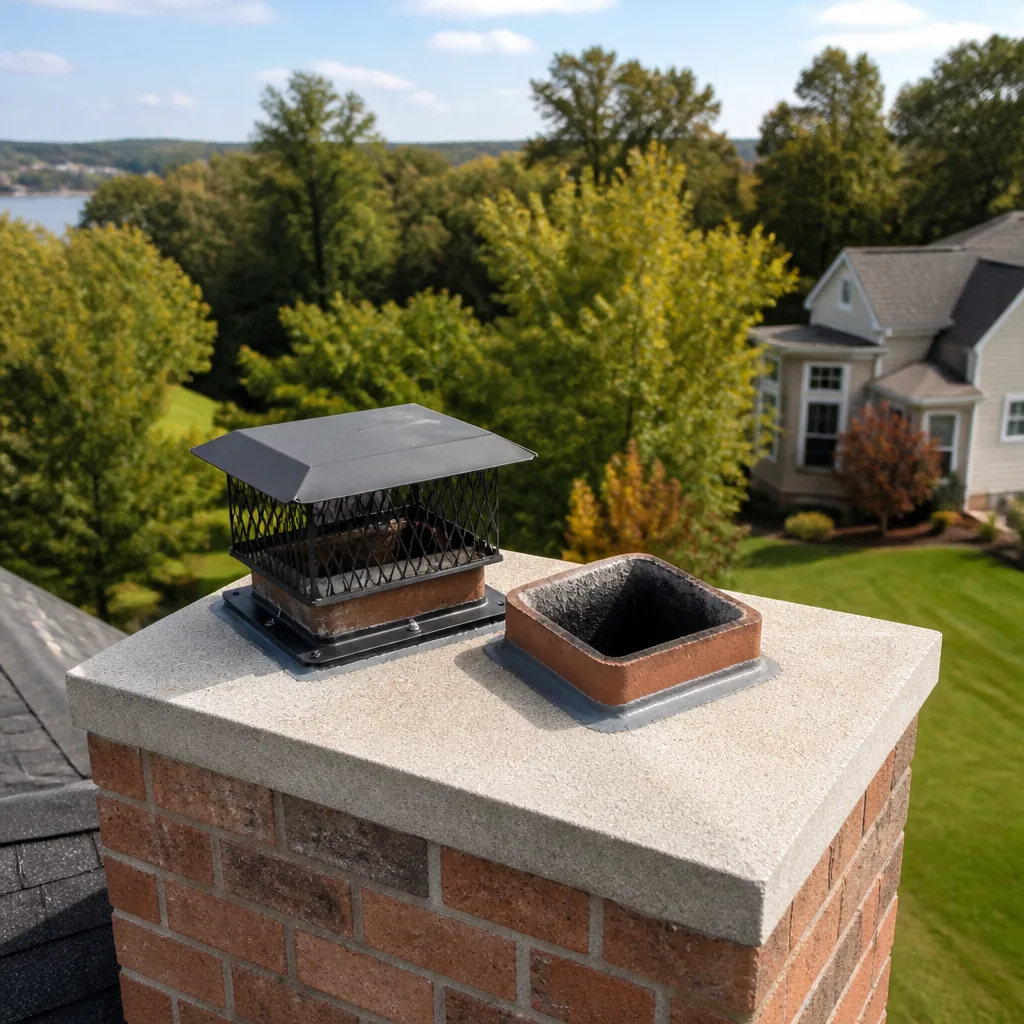 Sweep & inspection
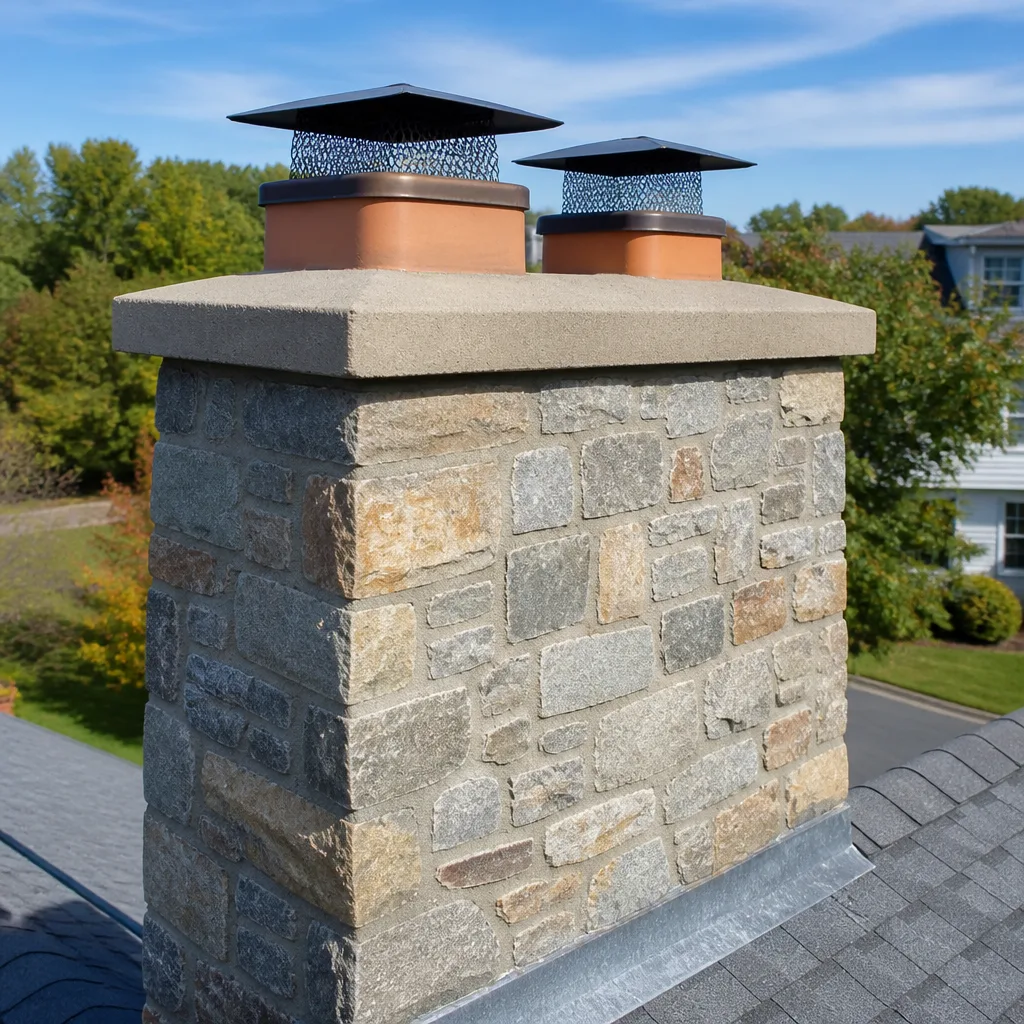 Caps & crowns
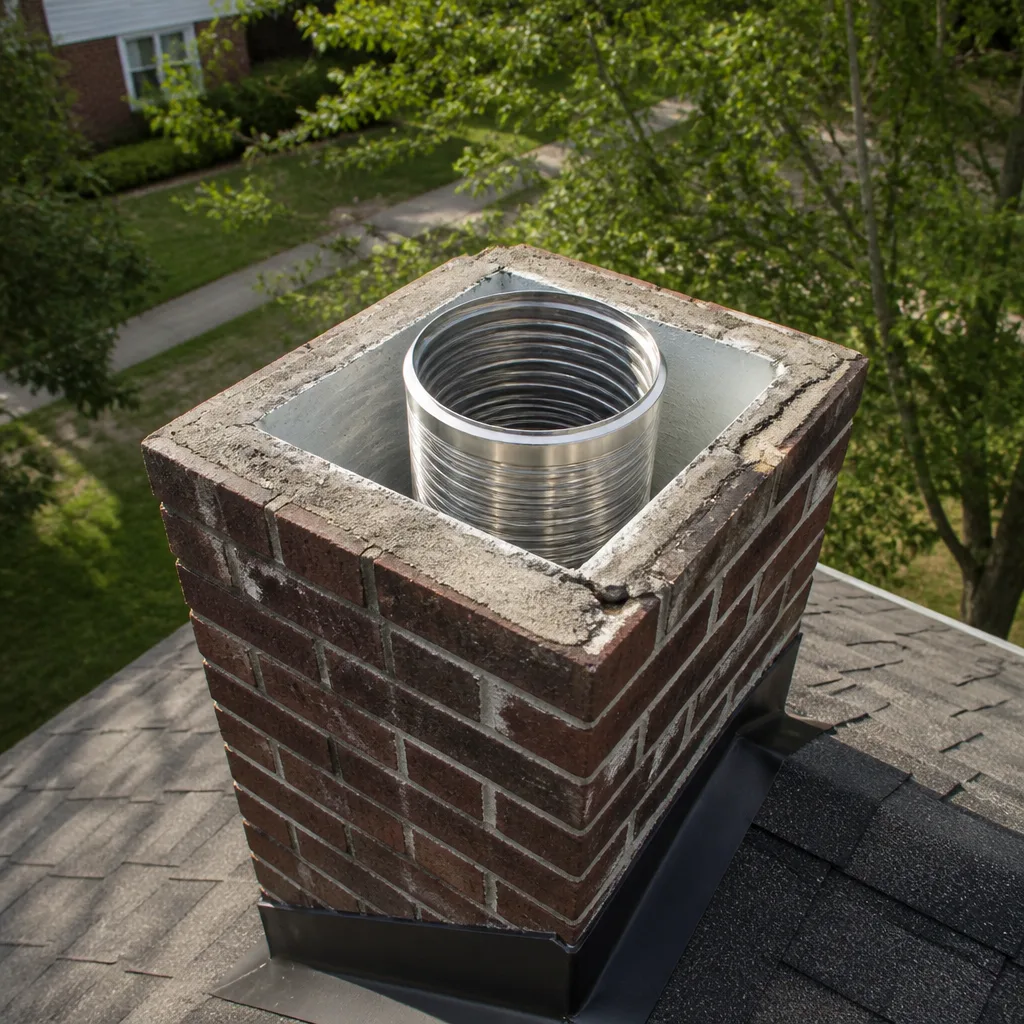 Flue relining
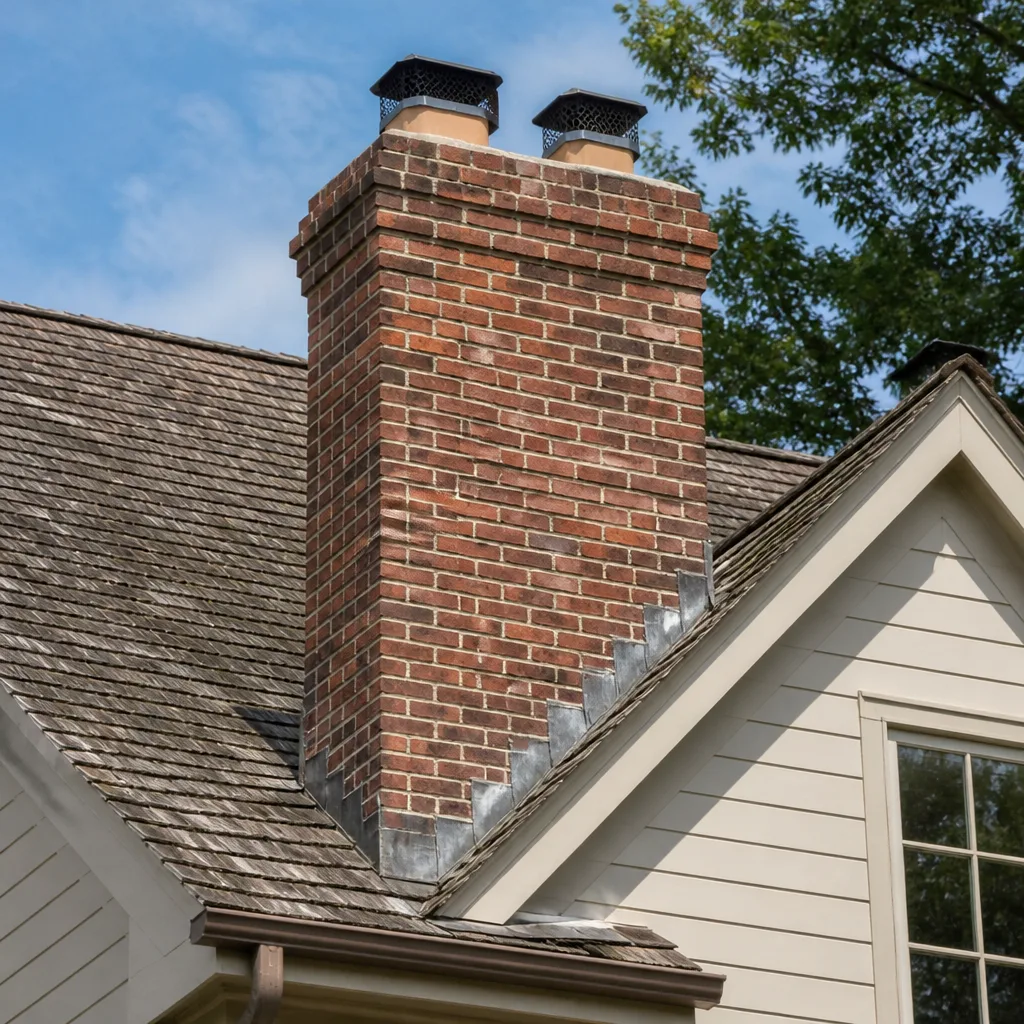 Masonry repair
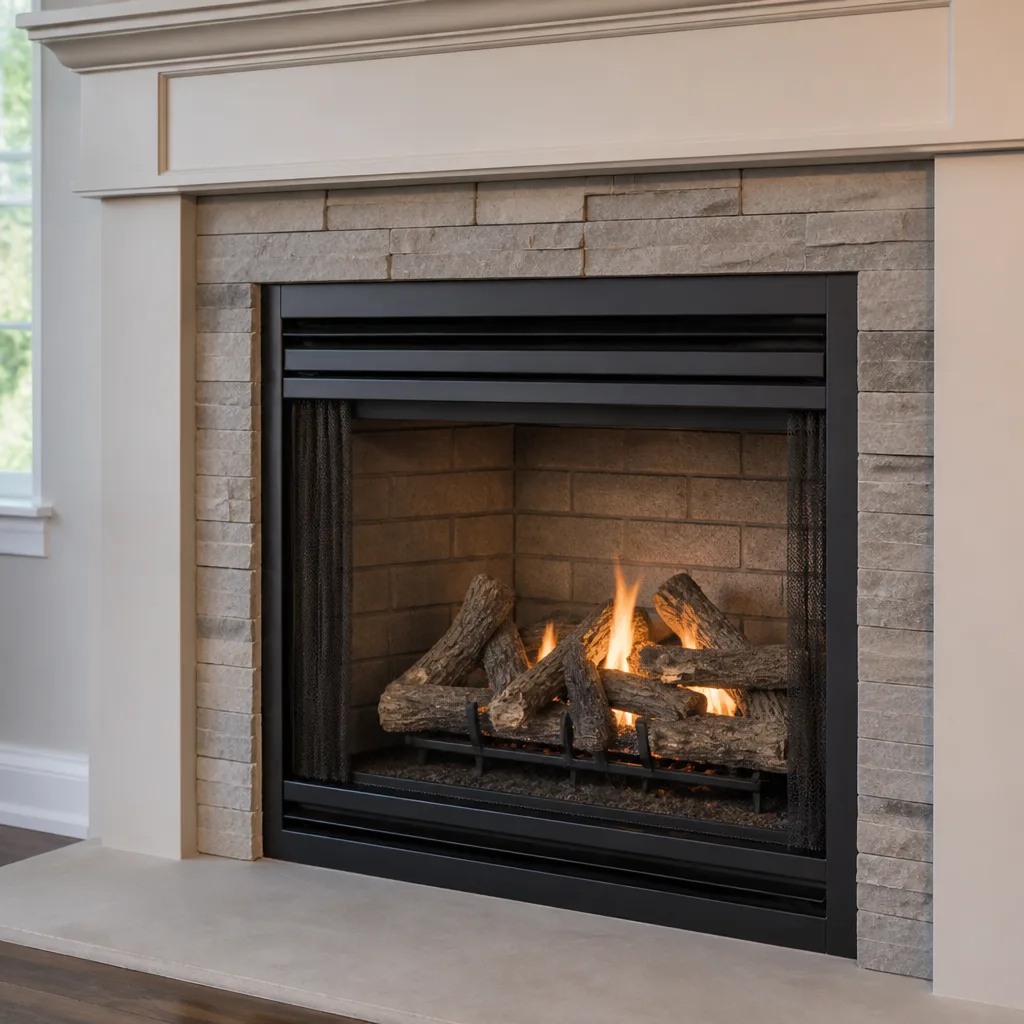 Gas fireplace service
Level 1 sweep and inspection to the NFPA 211 annual standard - flue, crown, cap, and flashing checked and photographed
Chimney sweep logs do not sweep chimneys. They loosen some creosote - which then falls where a brush and vacuum still have to collect it.
Seasonal Chimney Cleaning Care for Bensonhurst: Year-Round Homeowner’s Guide
Most chimney advice tells you to book a sweep in the fall, right before the first fire. That is the single worst window to find out you need a liner repair. By October you’re two weeks from heating season and liner installation has a lead time, so the job gets squeezed, delayed, or done in a rush. The homeowners who avoid that scramble inspect in late summer, address crown damage in spring, and watch the exterior brick all winter. Bensonhurst sits in a climate with real freeze-thaw cycles and a dense housing stock of older masonry chimneys, and each season asks something different of your venting system. This guide assigns concrete tasks to each season based on what the chimney is actually experiencing.
Quick Answer
Seasonal chimney care in Bensonhurst means matching the task to the season: spring inspection for freeze-thaw damage to the crown and masonry joints, summer cleaning and liner scheduling while the calendar is open, fall pre-season checks on the damper, cap and smoke draw, and winter monitoring for smoke rollback, odor shifts and efflorescence on exterior brick. A yearly sweep and inspection anchors all four seasons, but the inspection timing matters as much as the cleaning itself.
Styles & brands we work with
- Sweep & inspection
- Caps & crowns
- Flue relining
- Masonry repair
- Gas fireplace service
Table of Contents
- Why Seasonal Chimney Care Matters More in Bensonhurst
- Spring: Catching What Winter Left Behind
- Summer: The Smart Window for Cleaning and Liner Work
- Fall: The Pre-Season Checklist Before the First Fire
- Winter: What to Monitor While the Fire Burns
- The Exterior Envelope: Brick, Mortar and Metal
- Common Mistakes to Avoid
- When to Call a Professional
Why Seasonal Chimney Care Matters More in Bensonhurst
A chimney is not decoration. It’s a venting system, and its job is to move combustion gases out of the house at the right draft, in every season, whether or not there’s a fire burning. In Bensonhurst the system faces a specific set of stresses: cold winters with repeated freezing and thawing, humid summers, and a building stock where many chimneys are original masonry rather than newer factory-built units. Masonry is porous. Water gets in, freezes, expands, and works at the mortar until it cracks.
That cycle is why a single annual sweep, while necessary, isn’t the whole picture. The sweep clears creosote and soot from the flue. It doesn’t stop water from entering a failed crown, and it doesn’t tell you whether a hairline crack in the flue tile has been quietly widening since last season. Those are inspection findings, and they show up on a seasonal rhythm.
Here’s how the seasons line up for a typical Bensonhurst chimney:
- Spring – the freeze-thaw damage from winter is fresh and visible. Cracks haven’t yet been masked by summer growth or autumn soot.
- Summer – dry weather and open schedules. The right time to clean, inspect and schedule any liner or crown work.
- Fall – the last safe window to test the system before you light the first fire. Anything found now can still be fixed before the cold sets in.
- Winter – you’re operating the system, not repairing it. Watch for smoke rollback, odor changes and exterior staining.
Most homeowners we work with start with a single chimney sweep and gradually learn that the sweep is one step in a four-season cycle. That shift in thinking is what protects the chimney from one heating season to the next.
Spring: Catching What Winter Left Behind
Spring is when the chimney shows its winter damage. The freeze-thaw cycle that runs through a Bensonhurst winter opens up weak points in mortar, widens hairline cracks in the crown, and pushes apart the joints around the flue tiles. A spring inspection catches those problems while they’re still small and cheap to address, before water migrates down the flue and starts corroding the liner or staining the interior walls.
What to watch for in spring, specifically:
- Crown cracks. The crown is the sloping concrete cap at the top of the chimney. Hairline cracks that were cosmetic in October can become entry points for water by March. If the crown is spalling or has visible splits wider than a hair, it’s time for a look.
- Spigot and mortar joints. The joints between the flue tiles – often called spigot joints – are the weakest point in a masonry flue. Freezing water pushes them apart, and once a joint opens, combustion gases can leak sideways into the masonry instead of going up and out.
- Efflorescence. A white, chalky bloom on the exterior brick is a sign that water is moving through the masonry and depositing salts on the surface. It’s not cosmetic. It’s a message from the brick that it’s wet.
- Damper function. After a winter of use, the damper plate may not seat cleanly. A stuck-open or warped damper wastes heat and can let cold air back down the flue.
Spring is not the season for a full cleaning. The creosote load from last year is a fall issue to clear. Spring is a structural check, and it’s the best window for chimney repair that has to happen before summer heat dries out the masonry and makes certain patching work harder.
What a Spring Inspection Should Cover
- Visual check of the crown for cracks, spalling and separation from the flue
- Exterior scan of the brick and mortar joints for efflorescence and open joints
- Flue tile inspection (camera inspection where the flue is deep) for cracked tiles and open spigot joints
- Damper plate check for proper seating and free movement
- Cap and spark arrestor condition (this is also where we recommend chimney cap & crown work if the cap has rusted or come loose)
If the spring inspection finds cracked flue tiles but the liner walls are otherwise sound, this is where a ceramic resurfacing system like HeatShield comes into play. It restores the inner surface of a deteriorating flue without the disruption of a full reliner install. That matters on older Bensonhurst masonry chimneys where the flue is still structurally intact but the inner wall is failing.
Summer: The Smart Window for Cleaning and Liner Work
July and August are the months when scheduling is easiest and the work itself is cleanest. The flue is dry, the creosote is stable, and there’s no fire competing for the chimney’s attention. Cleaning in summer gives you time to address anything the inspection turns up, including liner installation, without the pressure of an October deadline.
There’s a practical advantage most people don’t think about. When a homeowner calls in October needing a liner, the calendar is booked and the work gets done in a compressed window. When the same work is scheduled in July, the lead time is realistic, and any follow-up inspection can happen before the heating season starts. The chimney has to be clean before a liner can be fit inside it anyway, so summer is the natural sequence: clean, inspect, repair if needed, then let the system settle.
This is also where a full-service scope pays off. If the inspection finds the flue tiles are cracked and the chimney needs a reliner, the work doesn’t stop at the sweep. A DuraFlex flexible liner can be installed in a single visit, and the same crew can address the crown, cap and any damper issues in the same appointment. That’s the difference between a sweep company that refers the liner out and a chimney specialist that handles it in-house.
The Summer Sequence
- Sweep the flue and clear the firebox
- Camera inspection of the full flue run
- Assess flue tile condition, spigot joints and any creosote glazing
- Recommend liner repair (DuraFlex), ceramic resurfacing (HeatShield) or crown work based on what the camera shows
- Schedule the repair for the same visit or a follow-up within the season
- Final inspection and a written report with photos
If you heat with wood, the summer cleaning is also when you’ll learn whether your creosote has been building up as a soft, flaky deposit or as a hard, glazed layer. Glazed creosote is the more dangerous of the two because it’s harder to remove and more likely to ignite. The camera tells you which you’re dealing with, and that shapes the recommendation.
Fall: The Pre-Season Checklist Before the First Fire
Fall is not just about cleaning. It’s about verifying that every component of the system is ready for a heating season. Cleaning clears the flue, but a fall checklist should also confirm the damper seats, the cap is intact and the smoke draw is correct. That last one, the smoke test, is what most homeowners skip.
A smoke test is simple in principle: light a small fire or a smoke source and watch how the smoke behaves. If it draws up and out of the flue cleanly, the draft is working. If it rolls back into the room, the chimney has a draft problem that needs to be addressed before any real fire is lit. Smoke rollback can come from a blocked flue, a failed cap, a negative-pressure issue in the house, or a flue that’s the wrong size for the appliance. Each has a different fix.
The full fall checklist:
- Damper plate seating. Open and close it fully. It should move freely and seal flat when closed. A damper that sticks or doesn’t seat properly will waste heat all winter.
- Cap and spark arrestor. Look at the cap from the ground with binoculars. Rust, missing screens, or a cap that’s tilted or loose all point to a problem. The cap is what keeps rain, birds and debris out of the flue, so a failed cap is a direct path to water damage.
- Creosote level. If the flue hasn’t been swept since last winter, do it now. A quarter-inch or more of creosote is the threshold where the flue needs cleaning before use.
- Smoke draw test. Light a small test fire and watch the smoke. See above for what rollback means.
- Exterior inspection. Check the brickwork, the crown and the flashing at the roofline. Fall is the last chance to spot a problem before winter weather makes repairs impractical.
We schedule a lot of fall inspections in Bensonhurst right before the first cold snap, and that’s fine as a last check. But if the fall inspection turns up a liner or crown issue, you’re already at the edge of the season. That’s exactly why the summer inspection exists.
Winter: What to Monitor While the Fire Burns
Winter is operating season. You’re not repairing, you’re observing. Three things in particular are worth watching during the heating months, and they’re all things a homeowner can check without climbing onto the roof.
1. Smoke Rollback Into the Room
Smoke rolling back into the room instead of drawing up the flue is the single most important warning sign. It can mean the flue is partially blocked by soot or a bird’s nest, the damper isn’t open far enough, or the house has gone into negative pressure because a kitchen or bath fan is pulling air down the flue. Any sustained rollback is a reason to stop using the fireplace and call for an inspection. Smoke in the room is combustion gas in the room, and that includes carbon monoxide.
2. Odor Changes
A sudden, sharp creosote smell – especially on a warm day when the fire is out – can mean creosote is building up more heavily than usual, or that a section of the flue is failing and letting gases escape into the masonry. Odor that only appears in certain weather is common and usually harmless. A new, persistent odor that wasn’t there last year is not.
3. Efflorescence on Exterior Brick
That white chalky bloom on the outside of the chimney can appear or worsen during winter. It’s a sign of moisture moving through the masonry. If you see it spreading, photograph it and have it looked at in spring. Left alone, it usually means the crown, flashing or brick face is letting water in.
Beyond those three, the winter habits that protect a chimney are simple. Burn dry, seasoned wood – green wood deposits more creosote. Never burn cardboard, wrapping paper or treated lumber, which can leave corrosive deposits in the flue. And keep the firebox clear of ash buildup; an inch of ash under the grate is fine, but a deep pile restricts airflow.
The Exterior Envelope: Brick, Mortar and Metal
The outside of a Bensonhurst chimney works harder than most homeowners realize. The brick face absorbs and releases moisture every time it rains or the temperature crosses freezing. The mortar between the bricks is the softer material, and it’s what fails first. When mortar joints erode, water gets behind the brick and starts working on the flue tiles from the outside in. By the time you see a stain on an interior wall, the moisture has usually been moving for more than one season.
The metal components face their own set of stresses. Stainless steel caps, liner collars and the top plates that seal a flue all sit in weather year-round. A cap that was sound in spring can be pitted or loose by winter if the steel was lower grade or the sealant underneath it has failed. That’s where the specific product matters. A cap or collar built from a professional-grade component – the kind of stock a chimney specialist carries from Copperfield or Olympia Chimney – holds up far longer than a hardware-store cap, and the fit is closer because it’s matched to the flue size and configuration rather than cut down from a stock piece.
The same principle applies to the liner itself. A DuraFlex flexible liner is engineered to tolerate the heat cycling and moisture exposure of a working flue. A generic stainless liner may be cheaper on paper, but on a Bensonhurst chimney that’s going to see 20 or more winters, the material engineering is what determines whether the liner is still sound in a decade.
The exterior inspection rhythm, condensed:
- Spring – full exterior inspection after the last freeze. Crown, brick face, mortar joints, flashing.
- Fall – spot-check the cap, the top plate and any repaired areas before winter.
- After any storm – a quick visual check of the cap and crown from the ground.
We specify trade-grade caps and crowns because the failure cost is high. A failed cap lets water into the flue, and water in the flue is the leading cause of masonry chimney deterioration across the seasons.
Common Mistakes to Avoid
- Cleaning only in fall. A fall-only sweep misses the spring structural damage that freeze-thaw leaves behind. The fall sweep is the final check, not the whole maintenance cycle.
- Skipping the inspection because the sweep was done. A sweep clears soot; it doesn’t test the flue tiles, the crown or the damper. Ask for the inspection as a separate step, and ask for the camera report.
- Burning unseasoned wood. Wet wood produces more creosote per fire and burns cooler, so the flue stays cold and deposits build up faster. In Bensonhurst’s damp winters, a poorly covered woodpile picks up moisture quickly.
- Ignoring efflorescence. A white bloom on the exterior brick is a moisture signal. Painting over it traps the water inside the brick and makes the damage worse.
- Using a hardware-store cap. Generic caps often don’t fit the flue opening properly, leaving gaps that let rain and animals in. A cap needs to be matched to the flue’s exact dimensions.
- Putting off liner repair because the chimney still draws. A chimney can draw fine with a cracked flue tile until the day it doesn’t. The crack lets combustion gases escape into the masonry space, and that’s a carbon monoxide risk independent of how well the fire burns.
- Waiting until October to schedule. Liner installation and crown work have real scheduling lead times. A liner problem discovered in fall is the most expensive way to find it.
When to Call a Professional
Some chimney work is observational – you can watch the smoke, notice an odor, spot efflorescence. But certain conditions warrant a professional visit without delay. Sustained smoke rollback into the room is the top one; it means combustion gases aren’t leaving the house. A new, sharp creosote smell on warm days, visible cracks in the crown or brick face, an exterior chimney with a washing-out look at the base, or a cap that’s rusted through or loose are all reasons to call. So is any homeowner who’s never had the flue camera-inspected on a masonry chimney with flue tiles that are more than a few decades old.
Chimney Sweep Bensonhurst offers free estimates in Bensonhurst – call (855) 924-3713. We answer 24/7. Fast dispatch from 7am to 7pm, Sunday through Friday. Camera inspection and a photo report are included with the visit, so you can see exactly what the flue looks like before anything is recommended.
See the difference
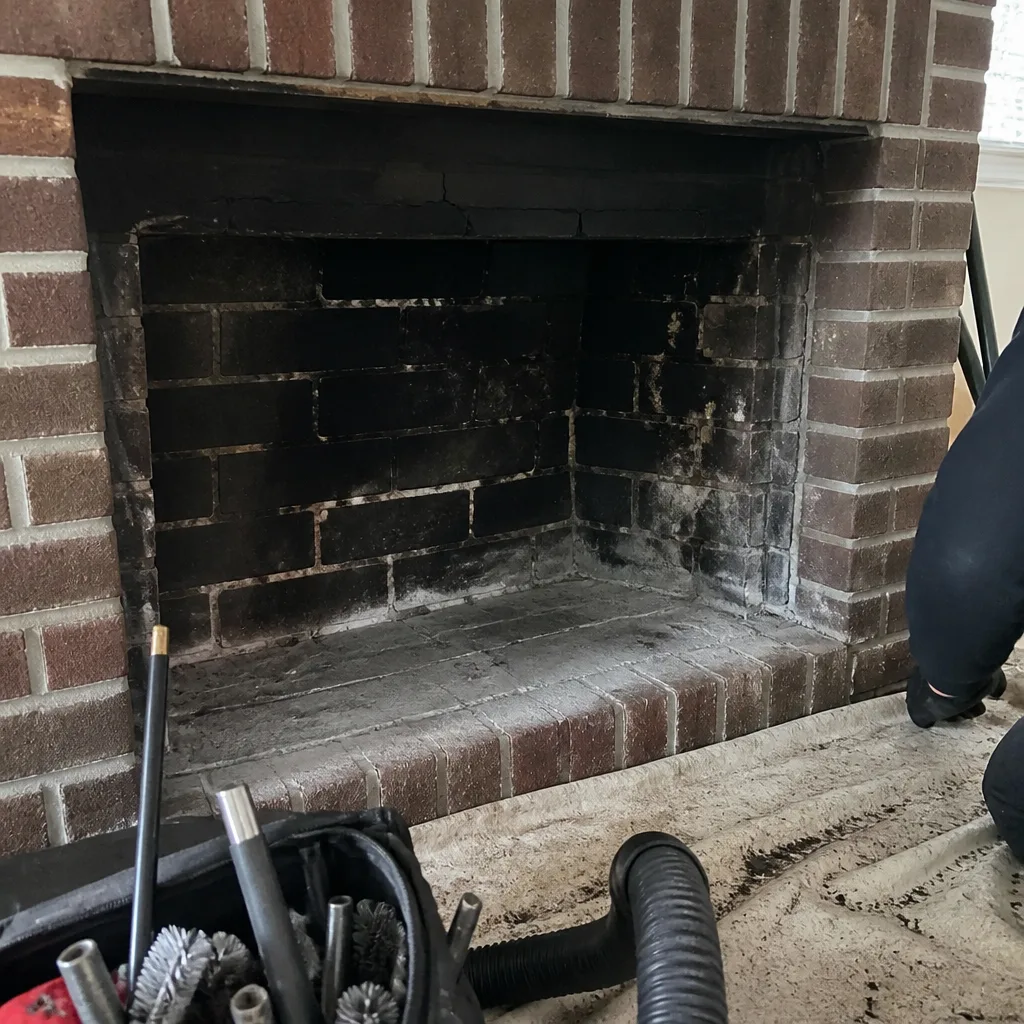 Before
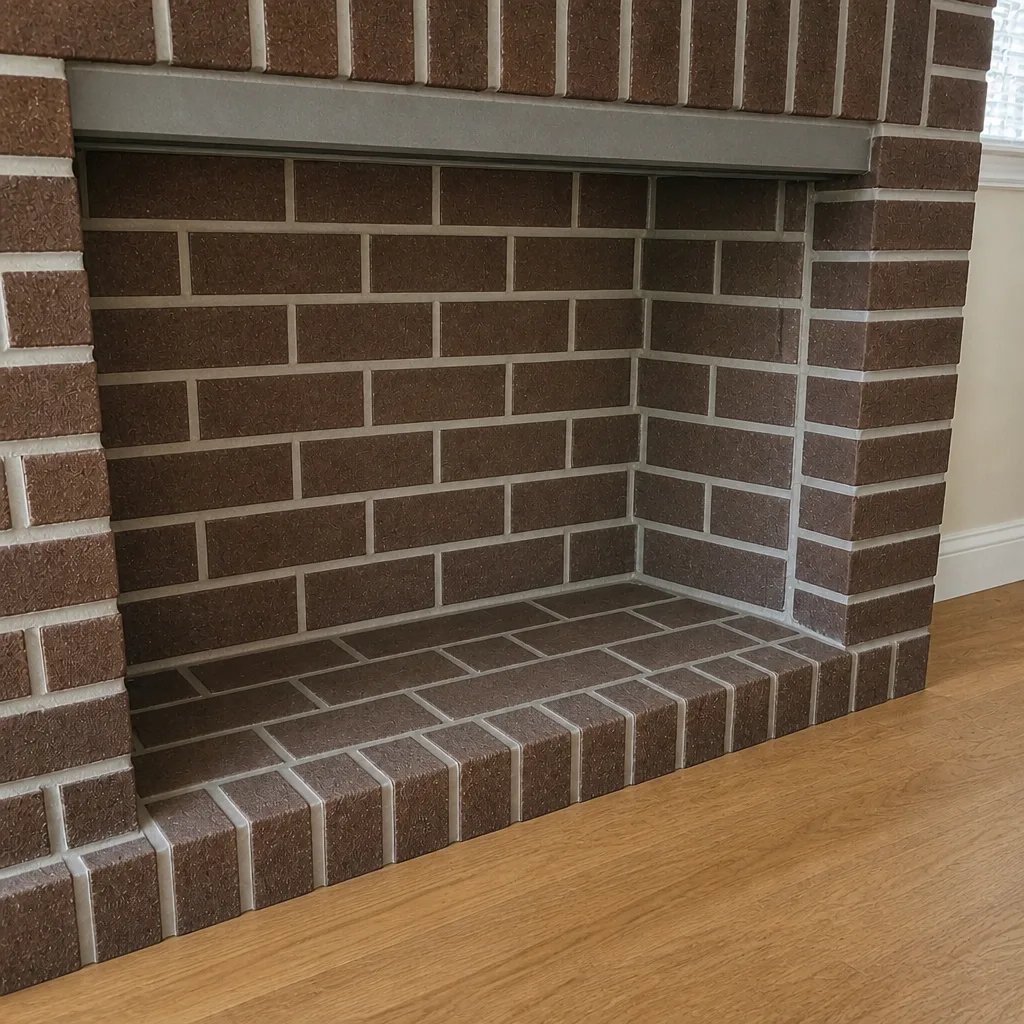 After
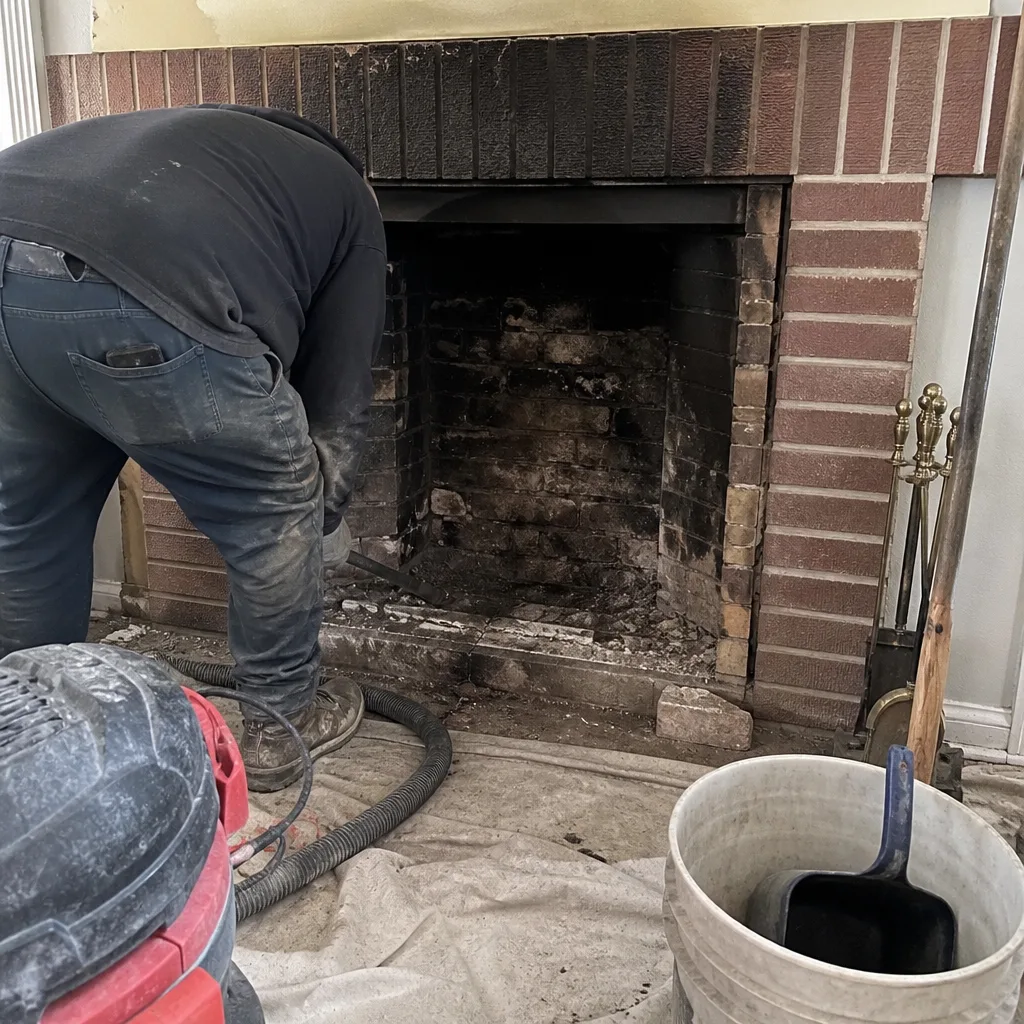 Before
 After
 Before
 After
Frequently Asked Questions
Once per heating season is the standard for a wood-burning chimney, and more often if you burn heavily or notice creosote building up quickly. A chimney with a glazed creosote problem may need more frequent cleaning. If you heat with gas, an annual inspection is still worth doing because gas appliances can vent differently than wood. Call (855) 924-3713 for an exact quote – estimates are free.
Summer gives you the widest scheduling window and lets you address any liner or crown work before heating season. The flue is dry, the creosote is stable, and there’s no deadline pressure. When a liner problem turns up in October, the work has to fit into a compressed schedule. Call (855) 924-3713 for an exact quote – estimates are free.
A spring inspection looks for freeze-thaw damage: cracks in the crown, open spigot joints between flue tiles, spalling brick and efflorescence on the exterior. It’s a structural check, not a cleaning. The point is to catch damage before it migrates down the flue or lets water into the masonry. Call (855) 924-3713 for an exact quote – estimates are free.
Yes. Efflorescence is a sign that water is moving through the masonry, and it’s often the first visible sign of a failed crown or open mortar joint. Painting over it traps the moisture and makes the underlying damage worse. Have it inspected and photograph the extent so the chimney specialist can see what’s changed. Call (855) 924-3713 for an exact quote – estimates are free.
Stop using the fireplace and call for an inspection. Smoke rollback means combustion gases aren’t leaving the house, and that includes carbon monoxide. Common causes are a partial blockage, a damper that isn’t opening, or negative pressure in the house from another exhaust fan. Call (855) 924-3713 for an exact quote – estimates are free.
It depends on what the camera shows. If the tiles are cracked but the flue walls are otherwise intact, a ceramic resurfacing system like HeatShield can restore the inner surface without a full reliner. If the flue is too damaged or the tile is missing, a DuraFlex flexible liner is the right fix. The decision should follow the inspection, not precede it. Call (855) 924-3713 for an exact quote – estimates are free.
The Bottom Line
The standard “clean your chimney in fall” advice is only one quarter of the picture. Seasonal care in Bensonhurst means a spring inspection for freeze-thaw damage, a summer sweep and liner scheduling while the calendar is open, a fall pre-season check of the damper, cap and draw, and winter monitoring for smoke rollback, odor changes and efflorescence. The cleanings and small structural checks done in the off-season are what keep a July liner repair from becoming an October emergency. If you’re ready to put the four-season cycle in motion, start with a Chimney Sweep Bensonhurst visit – it’s the single call that anchors everything else.
Call (855) 924-3713 for a free estimate on any chimney or fireplace service. From inspection through sweep, cap and crown work, liner installation and chimney repair, one call covers the complete chimney. Our technicians have up to 12 years of experience, and every recommendation comes with camera evidence you can see for yourself.
Written by the team at Chimney Sweep Bensonhurst.