
Last updated November 22, 2026
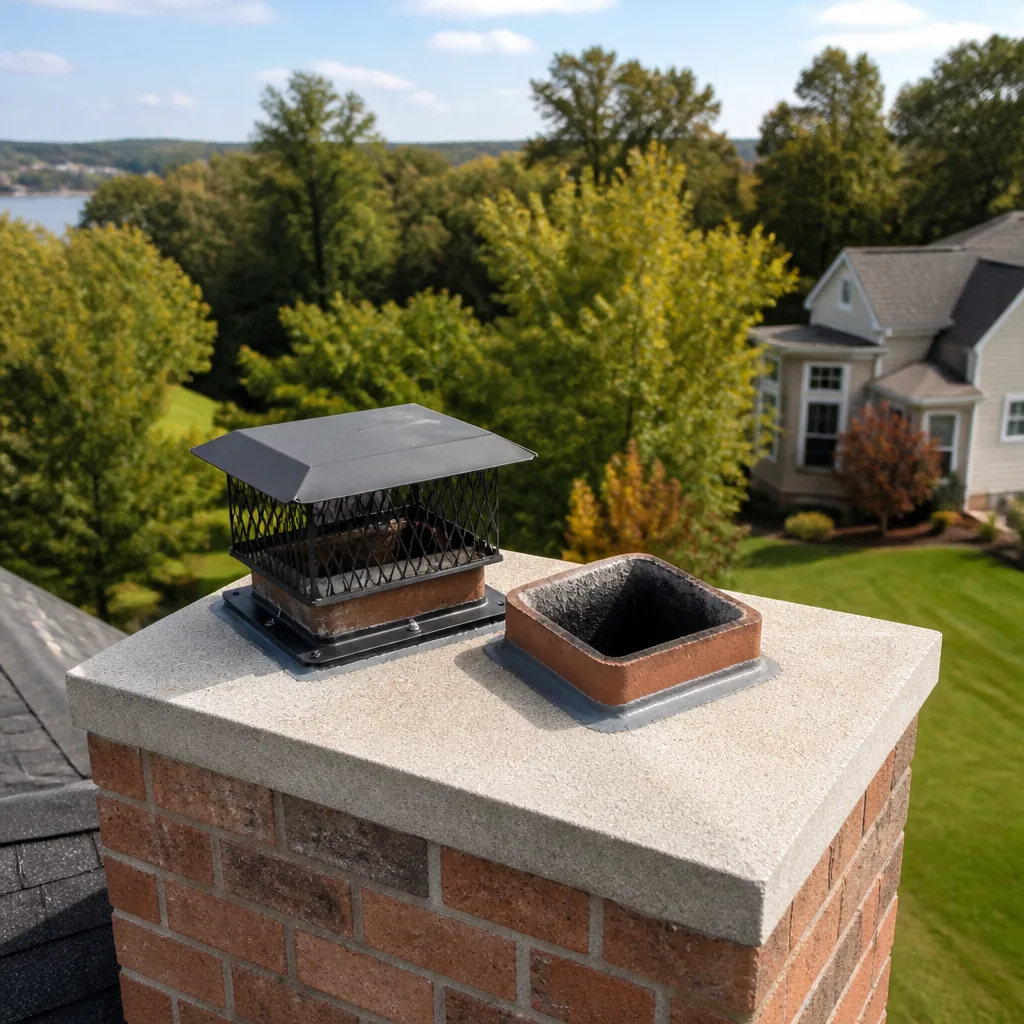 Sweep & inspection
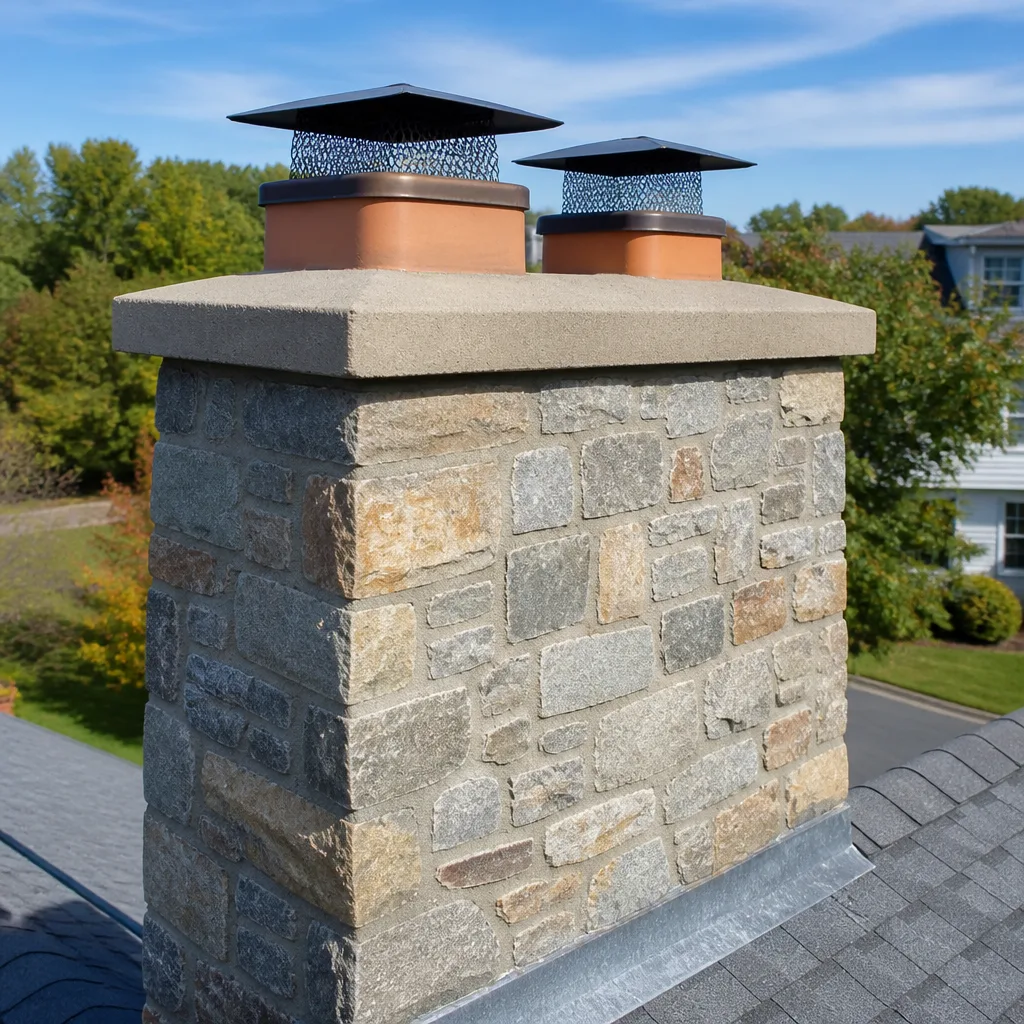 Caps & crowns
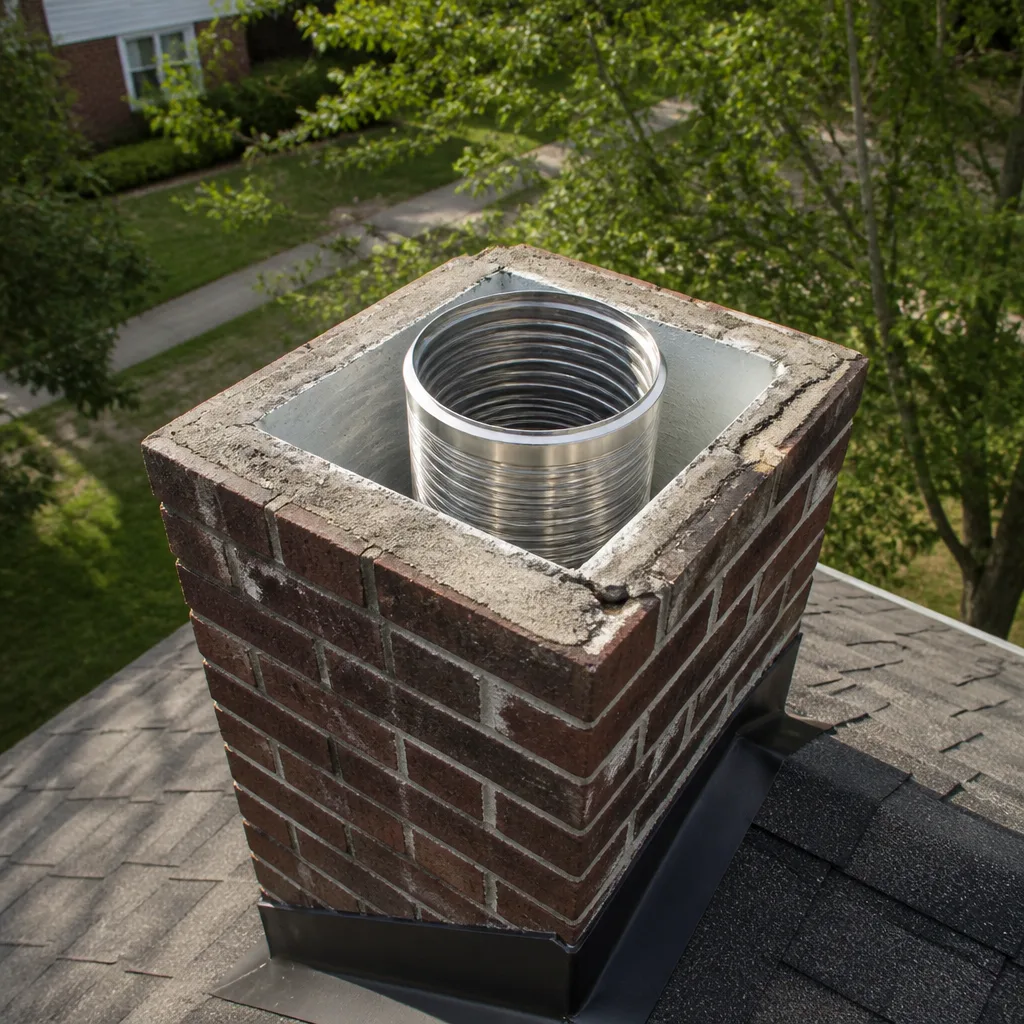 Flue relining
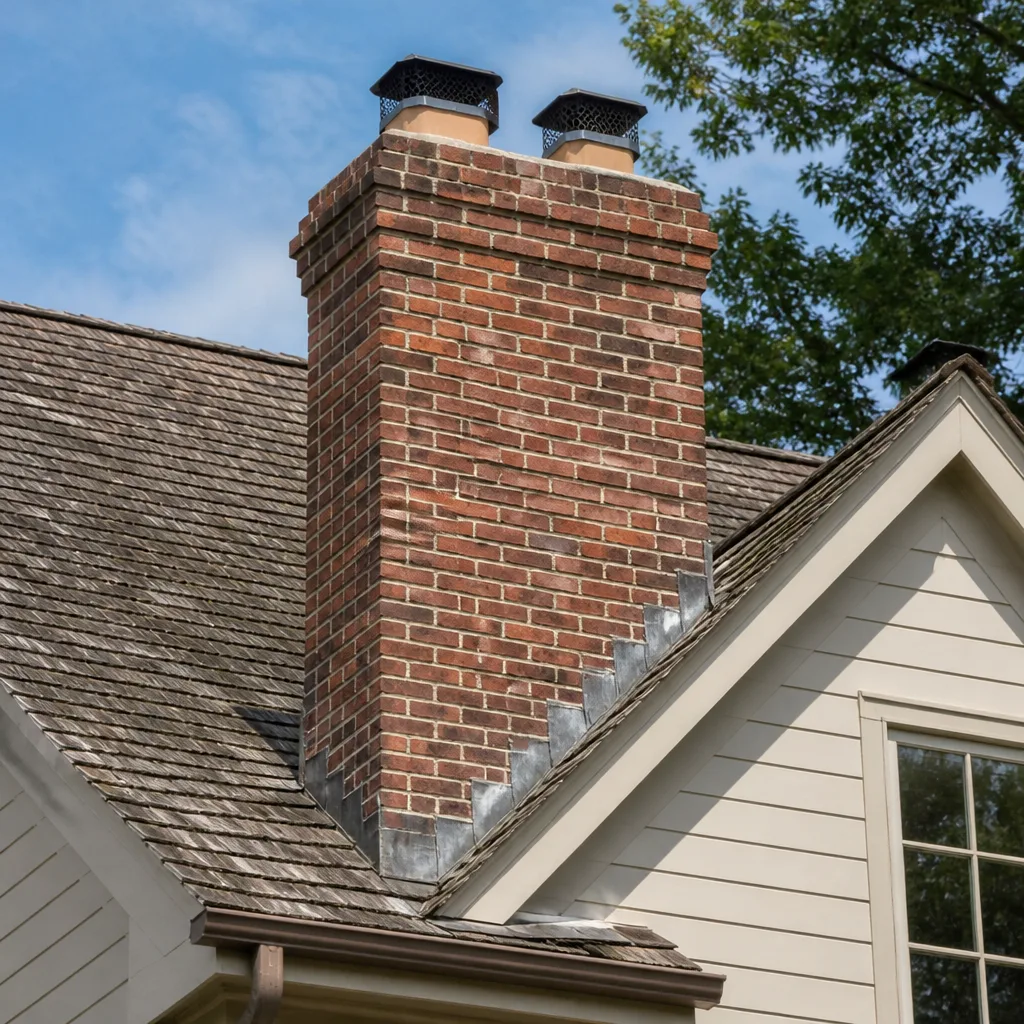 Masonry repair
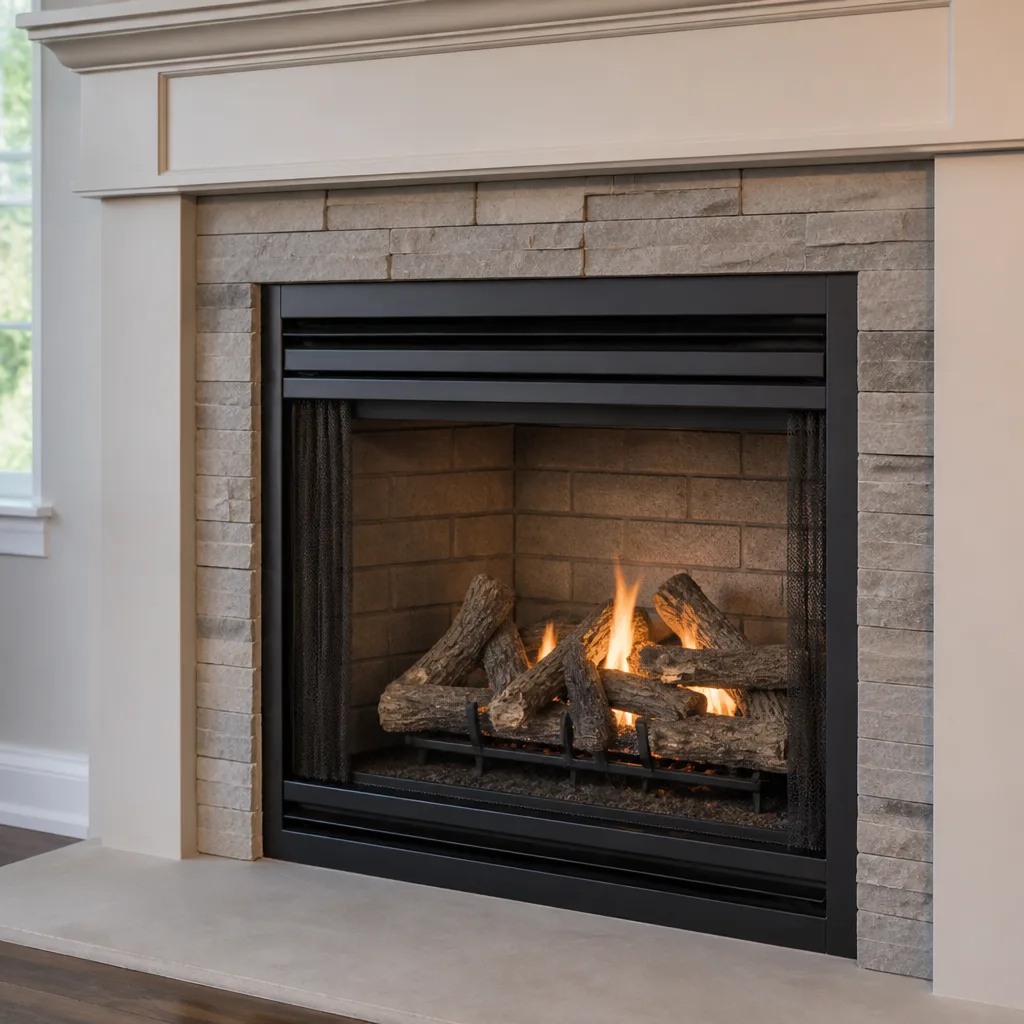 Gas fireplace service
Level 1 sweep and inspection to the NFPA 211 annual standard - flue, crown, cap, and flashing checked and photographed
Chimney sweep logs do not sweep chimneys. They loosen some creosote - which then falls where a brush and vacuum still have to collect it.
How to Hire a Chimney Cleaning Contractor in Bensonhurst: A Step-by-Step Guide
CSIA certification confirms a technician passed a written exam. It doesn’t confirm they’ve ever repaired a cracked clay liner in a 1940s Brooklyn rowhouse, or know when a HeatShield ceramic resurfacing job is the right call versus a full stainless steel reline. The gap between those two things is where most hiring decisions go wrong in Bensonhurst, where the housing stock is old, the chimneys are often original, and a sweep-only operator can look qualified right up until something structural shows up. In this guide we walk through the questions, documents, and estimate details that separate a contractor who can handle the whole venting system from one who cleans and then hands you a referral. You’ll finish knowing exactly what to ask before anyone climbs onto your roof.
Quick Answer
To hire a chimney cleaning contractor in Bensonhurst, verify three things before booking: that the company performs Level 2 inspections with video documentation as a standard part of the visit (not an upsell), that it carries current general liability and workers’ compensation coverage for roof-access work, and that it can handle repair and relining in-house rather than sweeping and referring. Ask for a written, line-itemed estimate that separates cleaning, inspection, cap, and crown work. A contractor who can answer those three points directly is worth a second call. One who can’t is priced for a sweep and nothing else.
Styles & brands we work with
- Sweep & inspection
- Caps & crowns
- Flue relining
- Masonry repair
- Gas fireplace service
Table of Contents
- Why a Certification Card Isn’t the Whole Story
- The Five Technical Questions to Ask Before You Schedule
- What Proper Insurance Coverage Looks Like for Chimney Work in NYC
- How to Read a Chimney Estimate Line by Line
- Why the Cheapest Quote in Bensonhurst Is Usually a Sweep-Only Visit
- Checking Familiarity With NYC DOB Requirements
- The Step-by-Step Hiring Process
- What the Materials Tell You About the Contractor
Why a Certification Card Isn’t the Whole Story
A certification tells you a technician studied the codes and passed an exam. It tells you nothing about whether that person has worked on a pre-war Brooklyn chimney, where the flue tile is clay, the mortar joints have been through eighty winters of freeze-thaw, and the crown has likely been patched at least once by someone who didn’t know what they were doing. Those are the conditions you’re actually hiring for in Bensonhurst. The exam is a floor, not a ceiling.
What matters more is scope. A one-task sweep crew will clean your flue, tell you it looks “fine” or “needs attention,” and leave. If it needs attention, you’re now looking for a second contractor who does repair, and that second contractor is working from a description rather than a first-hand look. The homeowner ends up as the general contractor, relaying information between two trades. That’s a bad arrangement for a venting system, because the person who cleans it is the person best positioned to notice the early signs of liner failure.
In our experience, the strongest signal is whether a company covers the full lifecycle: chimney sweep, inspection, cap and crown, chimney repair, and fireplace repair. When all five sit under one roof, the technician who finds a problem is the same one who fixes it. Nothing gets lost in translation, and nobody is incentivized to under-report a finding because they can’t fix it anyway.
Bensonhurst’s housing stock is the reason this matters more here than in newer suburbs. Rowhouses and semi-detached homes built in the 1920s through the 1950s commonly have original clay liners, exterior chimneys exposed to prevailing weather, and crowns that have cracked and been patched. A contractor who only sees the inside of a flue with a brush won’t catch a spalling crown from the roof, and a crown that’s failing lets water into the chimney structure all season.
The Five Technical Questions to Ask Before You Schedule
These five questions will tell you more in a five-minute phone call than an hour of browsing a website. Ask them in order and listen to how specific the answers are. A qualified contractor answers these in plain language without reaching for a script.
- “Do you perform a Level 2 inspection with video documentation as a standard part of the visit, or is it an add-on?” A Level 2 inspection means a camera run through the flue with photos or video you can review. If it’s standard, the contractor expects to find things and wants you to see them. If it’s an upsell, the default visit is a visual look from the firebox, which misses most liner problems.
- “Who does your repair work?” If the answer is “we do,” follow up on what kinds. Relining, crown rebuild, and flue resurfacing are the three that separate a specialist from a sweep crew. If repairs are referred out, you’ll pay for two visits and a second diagnostic.
- “What liner systems do you install?” You’re listening for professional brands. DuraFlex flexible liner systems, Olympia Chimney components, and Famco parts come from supply lines used by certified specialists. A vague answer about “stainless steel” without a brand name usually means a hardware-store kit.
- “Can you do HeatShield flue resurfacing, or would you recommend a full reline?” HeatShield is a ceramic resurfacing system for deteriorating liner walls; it extends liner life without pulling the whole thing and replacing it. Most basic sweep companies can’t perform it. A contractor who can explain when it applies and when it doesn’t has real diagnostic depth.
- “How do you document what you find?” The answer should mention photos, video, or a written report with findings. Anything less means you’re being asked to trust a verbal description of a part of your house you can’t see.
One follow-up worth asking in Bensonhurst specifically: “Have you worked on original clay liners in pre-war rowhouses?” The answer tells you whether the technician understands that older liners behave differently from modern factory-built systems, and whether they’ll push a reline on a liner that has years of life left.
What Proper Insurance Coverage Looks Like for Chimney Work in NYC
Chimney work means someone is on your roof, often on a slope, often near a chimney top that’s a long way down. That’s a genuine risk, and the coverage question is not a formality. Two policies matter: general liability and workers’ compensation.
General liability covers damage to your property if something goes wrong during the job, including water intrusion, cracked masonry, or a dropped tool. Ask for a certificate of insurance with your address as the job location and current dates. A contractor who hesitates or says they’ll “get it to you later” is telling you something.
Workers’ compensation covers the technician if they’re injured on your property. This one matters enormously in New York. If an uninsured worker falls off your roof, the liability question can land on you as the homeowner. Verify the policy is active, and if the company uses subcontractors, ask whether the subs carry their own coverage.
We can’t quote specific minimums for every job because they depend on the scope, so ask the contractor directly: what are your liability limits, and can you send a current certificate naming this property? A company that works on roofs regularly will have this ready without friction. One that doesn’t may be newer to roof work than the sales pitch suggests.
One more item worth confirming: whether the technician will be working alone on the roof. Solo roof work without a spotter on a pitched surface is a coverage and safety issue at once. A professional operation plans for it.
How to Read a Chimney Estimate Line by Line
A written chimney estimate should look like a parts list, not a lump sum. Each piece of work gets its own line with its own price, so you can see what you’re paying for and decline what you don’t need. Here’s what a properly itemized estimate separates.
- Cleaning (sweep) – the actual brush-and-vacuum service, priced on its own.
- Inspection level – Level 1, 2, or 3, listed separately from cleaning, with a note on whether video is included.
- Crown coat or crown repair – separate line, because the crown is a discrete piece of masonry work.
- Cap installation – its own line, naming the cap type and material.
- Liner work – relining and resurfacing priced individually, with the product named (DuraFlex, HeatShield, and so on).
- Firebox or damper repair – separate, since these are fireplace-side items.
Red flags come in a few recognizable shapes. One number for everything, with no breakdown, is the biggest. So is an estimate that includes liner work without a stated reason, or without the inspection findings that justify it. A line that says “additional work as needed” is not an estimate; it’s an open invoice. And if a contractor won’t put the price in writing before starting, treat that as a decline.
Ask whether the estimate reflects flat pricing agreed before the booking rather than hourly billing that grows on the roof. Flat pricing on the sweep and inspection portion means you know the number before anyone climbs up. Repair work will always depend on what’s actually found, but it should still be quoted in writing before it’s performed, and nothing should be recommended that the contractor can’t show you in a photo or video.
Also confirm that the estimate is free. A written estimate costs the contractor time, and a company confident in its diagnostic work doesn’t need to charge for an estimate to make the visit worthwhile. If there’s an estimate fee, find out what it covers before you agree.
Why the Cheapest Quote in Bensonhurst Is Usually a Sweep-Only Visit
The lowest number you’ll get on a Bensonhurst chimney call is almost always the price of a sweep-and-go. That price assumes a clean flue, a working cap, an intact crown, and a liner with years left on it. It doesn’t include the camera run, the roof inspection, or the written findings that would tell you if any of those assumptions are wrong. The contractor isn’t necessarily dishonest. They’re pricing the task they plan to perform. The problem is that the task they plan to perform doesn’t cover the things most likely to cost you real money later.
Here’s the mechanism. A chimney is a venting system, and venting systems fail in stages. The first stage is a small crack in a flue tile or a soft spot in a mortar joint. Nobody notices it from the firebox. The second stage is moisture getting in, then spalling, then a liner that no longer contains combustion gases the way it should. The third stage is a chimney fire or a carbon monoxide problem, which is when the cost stops being about the chimney.
A sweep-only operator sees stage one, reports nothing, and leaves. Six months later you’re at stage two and paying for a repair that would have been a fraction of the cost if it had been caught. That’s the real price of the cheap quote. It’s not the sweep price; it’s the repair you didn’t know you were deferring.
None of this means the most expensive quote is the right one. It means you’re comparing scope, not price. A quote that includes a Level 2 inspection with video documentation, itemized repair pricing, and a named liner system is a fundamentally different product from a quote that says “chimney clean, $X.” Comparing them directly is apples to oranges.
Ask every contractor what’s included in the number and what would cost extra. Then compare scope to scope. In our experience, the contractors who price transparently and document what they find are also the ones who tell you when work can safely wait, because they’re not relying on a surprise repair to make the visit profitable.
Checking Familiarity With NYC DOB Requirements
Some chimney work in New York City requires a permit from the Department of Buildings, and the specific requirement depends on the scope and the building. We won’t tell you a permit is always required or never required, because that depends on what’s actually being done and how your building is classified. What we can tell you is that a contractor who does liner and structural work regularly will know the question is coming and will have an answer.
Ask directly: “Will this job require a DOB permit, and who pulls it?” Listen for a specific answer. A contractor who handles permit-required work in-house or through a licensed filing representative will tell you plainly. One who says “you don’t need a permit for a chimney” without asking about the scope has told you they don’t do permit-required work, which usually means they don’t do the work that requires one.
This matters more in Bensonhurst than in many parts of the city because the housing stock includes a lot of multi-family and mixed-use buildings alongside single-family rowhouses. The rules track the building, and a contractor who only works on single-family suburban chimneys may not know the difference.
Fly-by-night operators skip permits for a simple reason: pulling one creates a paper trail that ties the work to a licensed, insured contractor and a documented scope. That’s exactly what you want. If a contractor suggests skipping the permit because “it’s just a liner,” ask why. There’s no good answer.
When you call the city to check on a permit question, have your block and lot number ready; the DOB lookup tools work faster with it. And ask your contractor for the permit number once it’s pulled, so you can verify it yourself.
The Step-by-Step Hiring Process
Here’s the process in order. Done once, it takes about an hour of your time across a few days, and it filters out most of the operators who would waste far more of it later.
- List three contractors, not one. Get two or three names from different sources: neighbors, your building’s super or management, or a search that turns up companies covering full-scope chimney work. Avoid any contractor who only shows up through a door-to-door pitch.
- Ask the five technical questions by phone. The answers should be specific and quick. If a contractor is vague or evasive on any one of them, that’s enough to drop them from the list.
- Request the certificate of insurance. General liability and workers’ comp, current dates, naming your property. Verify it before scheduling.
- Confirm what the visit includes. Level of inspection, video documentation, flat price for the sweep and inspection, no charge for the estimate.
- Book the visit. Be present if you can, especially for the roof portion if the contractor allows it (some don’t for insurance reasons), and ask to see the video footage when it’s available.
- Review the findings and the written estimate together. Every recommendation should point to specific evidence in the photos or video. Anything that doesn’t have visual support should be questioned, and any work that’s “urgent” without evidence should be declined.
- Ask what can wait. A good contractor will tell you which findings are acute and which are maintenance items to watch. If everything is urgent, that’s information too.
- Verify the permit path for any structural or liner work. Get the permit question answered in writing if the scope triggers one.
One step that’s easy to skip and worth doing: after the estimate, ask the contractor to put a completion date range in writing. Chimney work has a season, and the good contractors book up in the fall. A written window protects you from a project that stalls halfway through.
What the Materials Tell You About the Contractor
The brands a contractor names tell you where their parts come from. That’s a proxy for how they think about the work. Professional-grade brands aren’t the only answer, but they’re a signal. Hardware-store kits are a different signal.
DuraFlex flexible liner systems are the standard for chimney relining in a lot of residential work. Olympia Chimney and Famco components cover liners, caps, and the termination parts. Copperfield covers caps and chimney-top accessories. HeatShield is its own category: a ceramic flue-resurfacing system applied to a deteriorating liner wall to extend its service life without a full reline. It’s a specialist-only method, and most basic sweep companies aren’t equipped for it. When a contractor mentions HeatShield and can explain the difference between a resurfacing candidate and a reline candidate, you’re talking to someone with diagnostic range.
Ask which brand goes on your chimney and why. The reason should relate to your specific flue size, the fuel type, and the condition of what’s there. “It’s what we always use” is a weak answer, because chimneys vary a lot in older Bensonhurst buildings. A contractor who specifies the right component to the flue’s configuration rather than defaulting to a one-size kit is doing the job properly.
Also ask about the cap and crown materials. A well-fitted cap with proper clearance and a crown with a proper overhang and bonding coat are the difference between a chimney that stays dry for two decades and one that needs masonry work in five years. The materials are cheap compared to the labor of redoing them. Spend the difference up front.
Common Mistakes to Avoid
- Hiring on price alone. The cheapest quote covers the smallest scope. You’re not buying a sweep; you’re buying the finding of problems early.
- Skipping the insurance verification. A fall on your roof with no workers’ comp behind it can become your problem. Verify before anyone climbs.
- Accepting a verbal-only estimate. No written scope means no way to compare bids and no protection if the job changes. Insist on line items and a total.
- Booking the off-season for a “tune-up.” Chimney problems show up when the heat comes on. A pre-season visit in Bensonhurst before cold weather finds issues while there’s still time to fix them.
- Letting a contractor recommend work without evidence. If a repair is recommended, ask for the photo or video footage that supports it. No evidence, no work.
- Assuming certification covers repair work. A certified sweep may never have installed a DuraFlex liner or applied a HeatShield coating. Ask separately about each service.
- Not asking what can wait. Chimneys don’t fail on the contractor’s schedule. A professional will tell you which findings can be monitored and which can’t.
See the difference
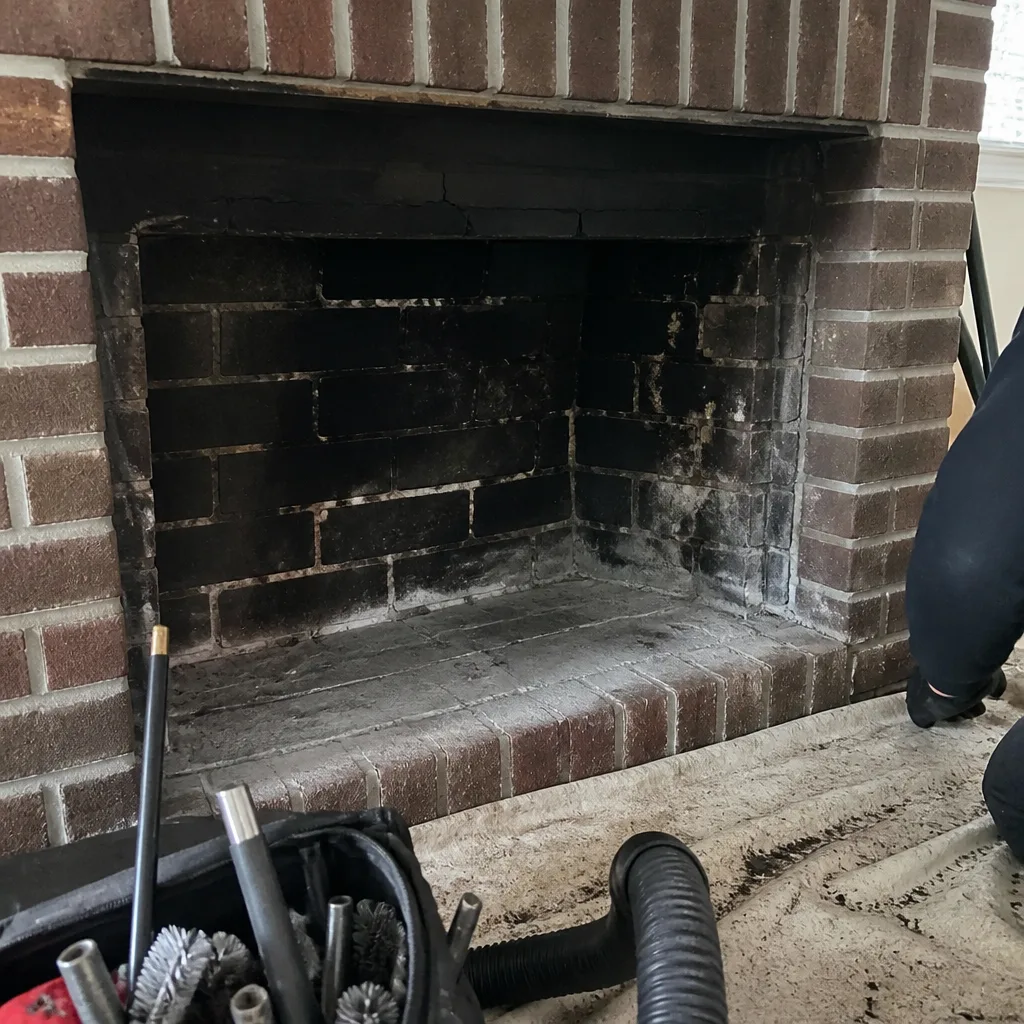 Before
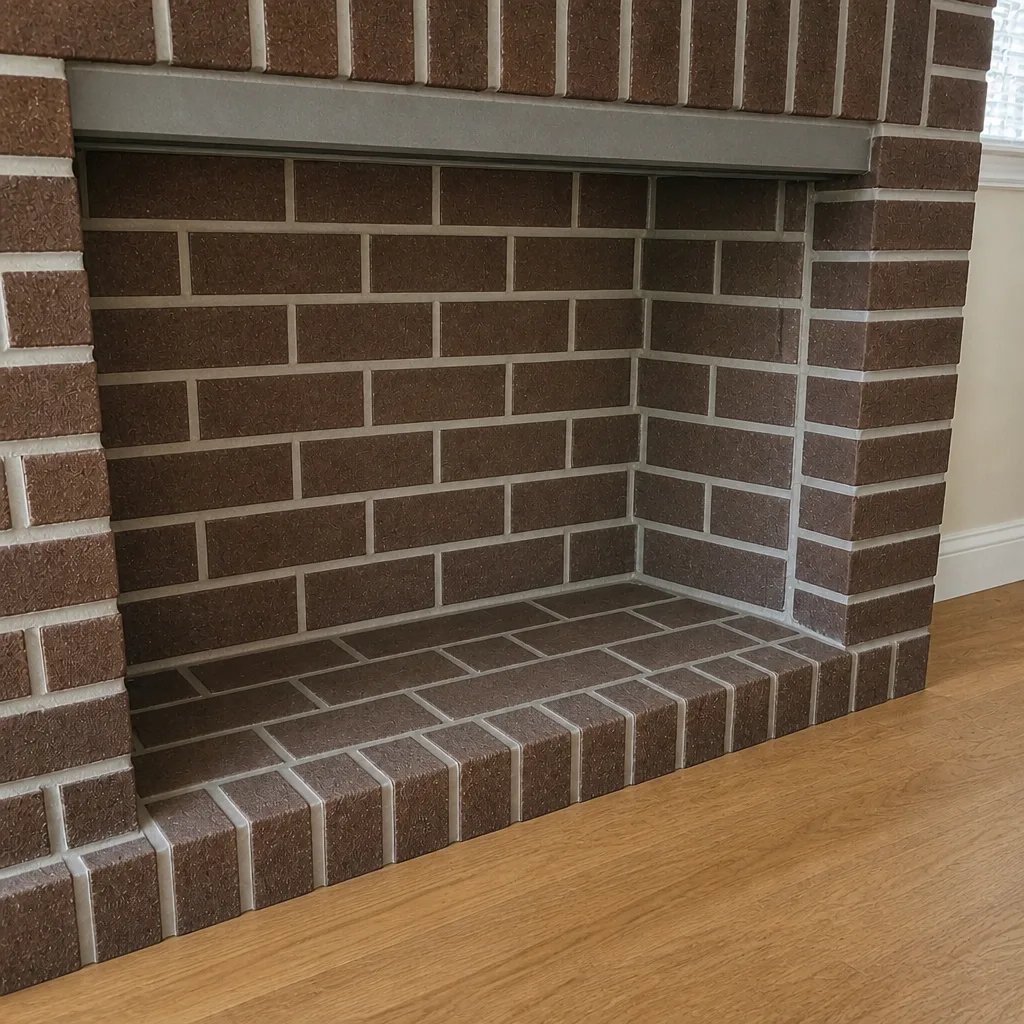 After
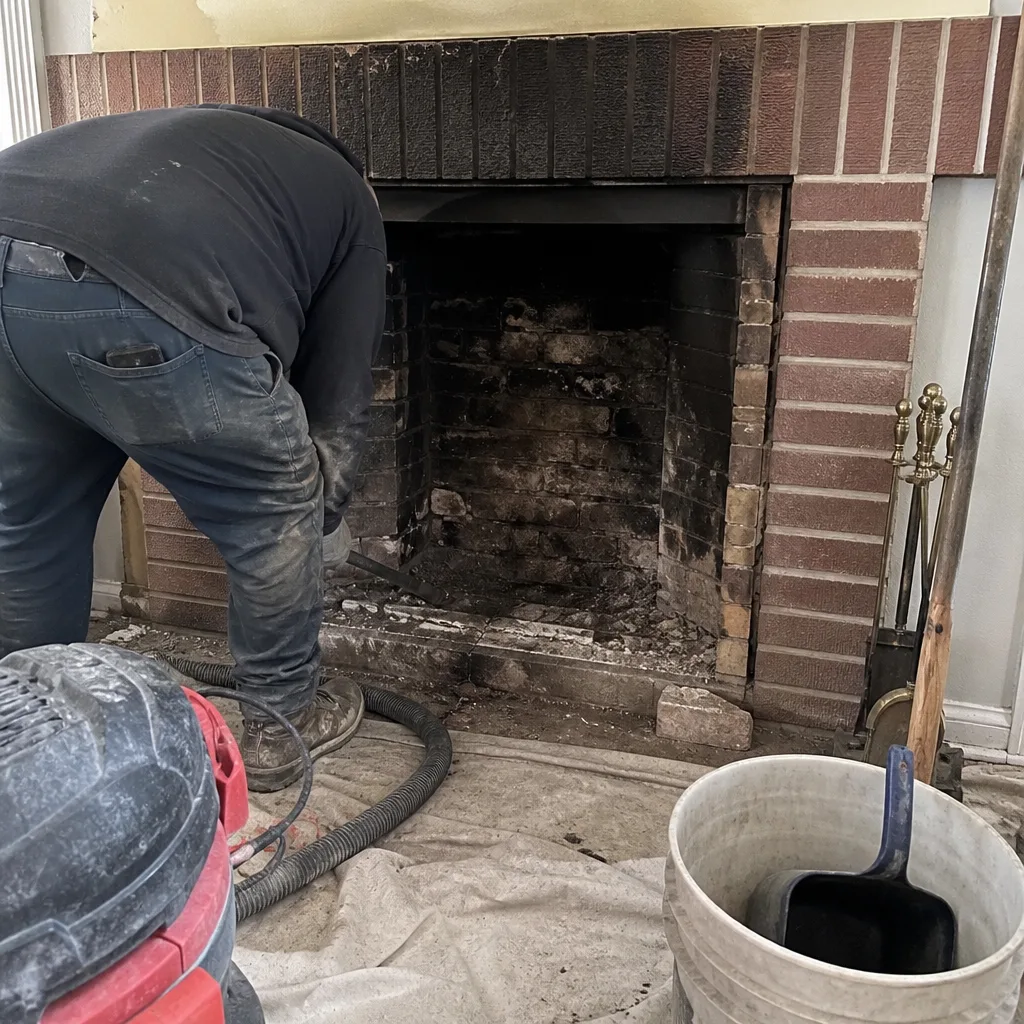 Before
 After
 Before
 After
When to Call a Professional
Some chimney issues cannot wait for the next scheduled visit. Call a professional promptly if you smell smoke in the house when the fireplace isn’t running, if you notice soot falling back into the firebox, or if a visible crack appears in the firebox or the masonry above it. Carbon monoxide concerns are always a call-now event. On the maintenance side, annual cleaning and inspection before heating season is the baseline; if you haven’t had the chimney looked at in a year or more, that alone is reason to book a chimney cap & crown check and a sweep at the same visit.
Chimney Sweep Bensonhurst offers free estimates in Bensonhurst; call (855) 924-3713. We answer 24/7, with fast dispatch from 7am to 7pm, Sunday through Friday.
Frequently Asked Questions
Prices vary by access, roof height, and the scope of the inspection, so the written estimate sets the final price rather than a quoted number over the phone. The estimate is free, so the fastest path to a real number is to book the visit and get the scope in writing before anyone climbs. Call (855) 924-3713 for an exact quote; estimates are free.
Only if the inspection finds that the existing liner no longer safely contains combustion gases. That’s determined by the Level 2 inspection with camera footage, not by a phone call. Ask the contractor to show you the evidence: liner cracks, spalling, gaps at joints, or a flue that’s undersized for the appliance. If the evidence supports resurfacing with HeatShield rather than a full reline, that’s a less invasive and often better option, and a qualified contractor will tell you which applies. Call (855) 924-3713 to get the inspection on the calendar.
For a wood-burning fireplace in regular use, once a year before the heating season is the standard baseline. How much you actually burn matters; occasional users can stretch the interval, heavy users should stay on the annual cycle. A gas appliance has different maintenance needs and doesn’t need the same brushing schedule, so mention what you’re burning when you book. Call (855) 924-3713 to schedule an annual visit.
The chimney keeps venting until it doesn’t. Creosote builds on the flue walls, which increases chimney fire risk, and small liner defects grow into larger ones without anyone noticing. The practical risk is that the first sign of a problem is a chimney fire or smoke backing into the house rather than a small repair caught early. It’s not a reason to panic, but it is a reason to keep the annual appointment. Call (855) 924-3713 for an inspection and a written estimate.
Certification is a starting point, not a guarantee of experience with pre-war Brooklyn chimneys. What you actually need is a contractor who has worked on original clay liners, can document findings with camera footage, and can perform repair and relining rather than referring it out. Ask about all three before you book. Call (855) 924-3713 if you want to talk through what a full-scope chimney repair relationship looks like.
It depends on the scope and the building. Some liner and structural work in New York City requires a permit from the Department of Buildings, and the rules can differ by building type. Ask the contractor directly whether your job requires one and who pulls it. A qualified contractor who does permit-required work will know the answer without hesitation. Call (855) 924-3713 and we’ll walk through the permit question for your specific chimney scope.
The Bottom Line
Hiring a chimney contractor in Bensonhurst is a scope decision, not a price decision. A certification card confirms the technician passed an exam; it doesn’t confirm they can repair a failed clay liner, decide between HeatShield resurfacing and a full DuraFlex reline, or pull a permit when the job requires one. Verify insurance for roof work, ask the five technical questions, and read the estimate line by line. Expect to see cleaning, inspection level, cap, crown, and liner work priced separately, and expect to see photo or video evidence behind every recommendation. Ask what can safely wait, and book a contractor who’ll tell you. When you find one with full-scope capability, you’ve found the person you can call for years rather than once.
Chimney Sweep Bensonhurst connects Bensonhurst homeowners with independent local professionals who perform the work. The estimate is free and the price is set per job in writing before anything starts. We answer 24/7. Fast dispatch from 7am to 7pm, Sunday through Friday. Call (855) 924-3713 for a free estimate on your Chimney Sweep Bensonhurst visit, wherever you are in Brooklyn, from Bensonhurst to the surrounding neighborhoods. Our technicians have up to 12 years of experience, and we specify professional-grade brands like DuraFlex, Olympia Chimney, Famco, and Copperfield because the parts outlast the labor that goes into installing them.
Written by the team at Chimney Sweep Bensonhurst.