
Last updated November 22, 2026
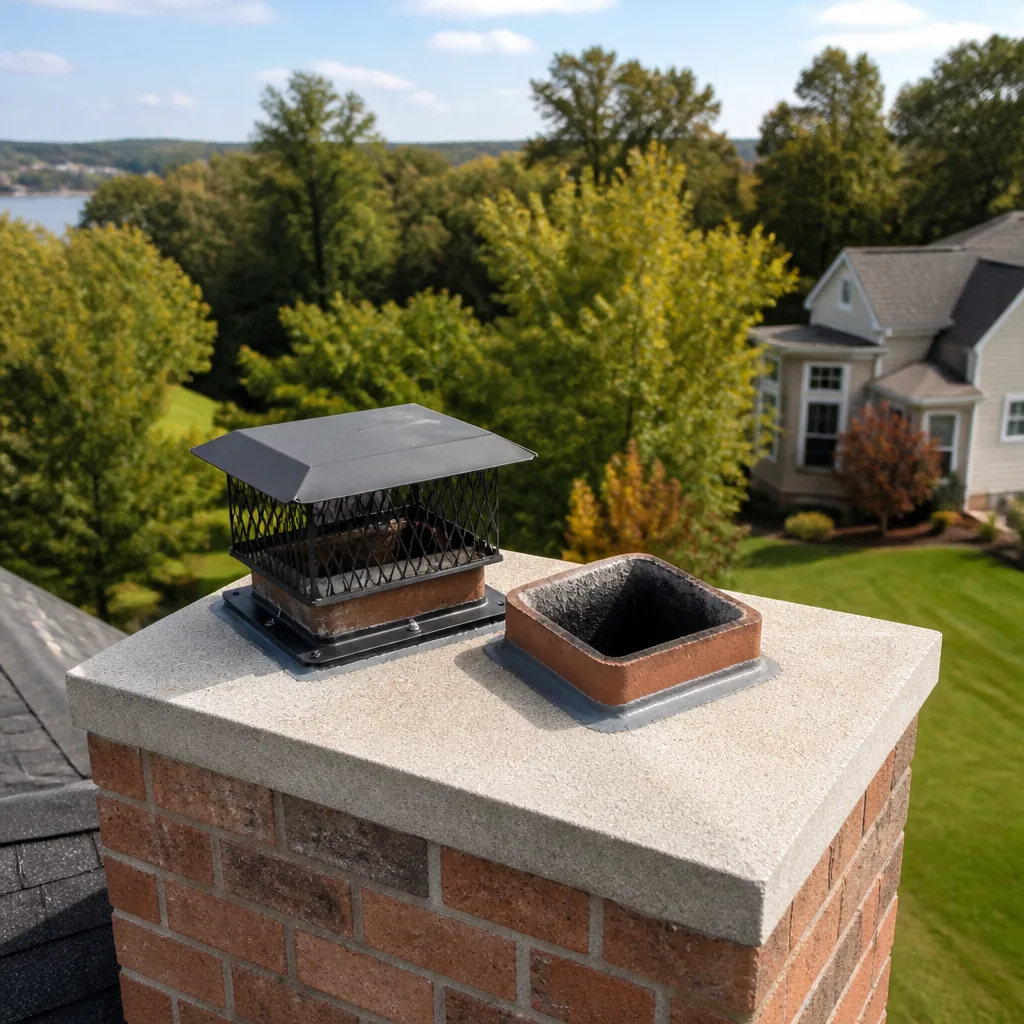 Sweep & inspection
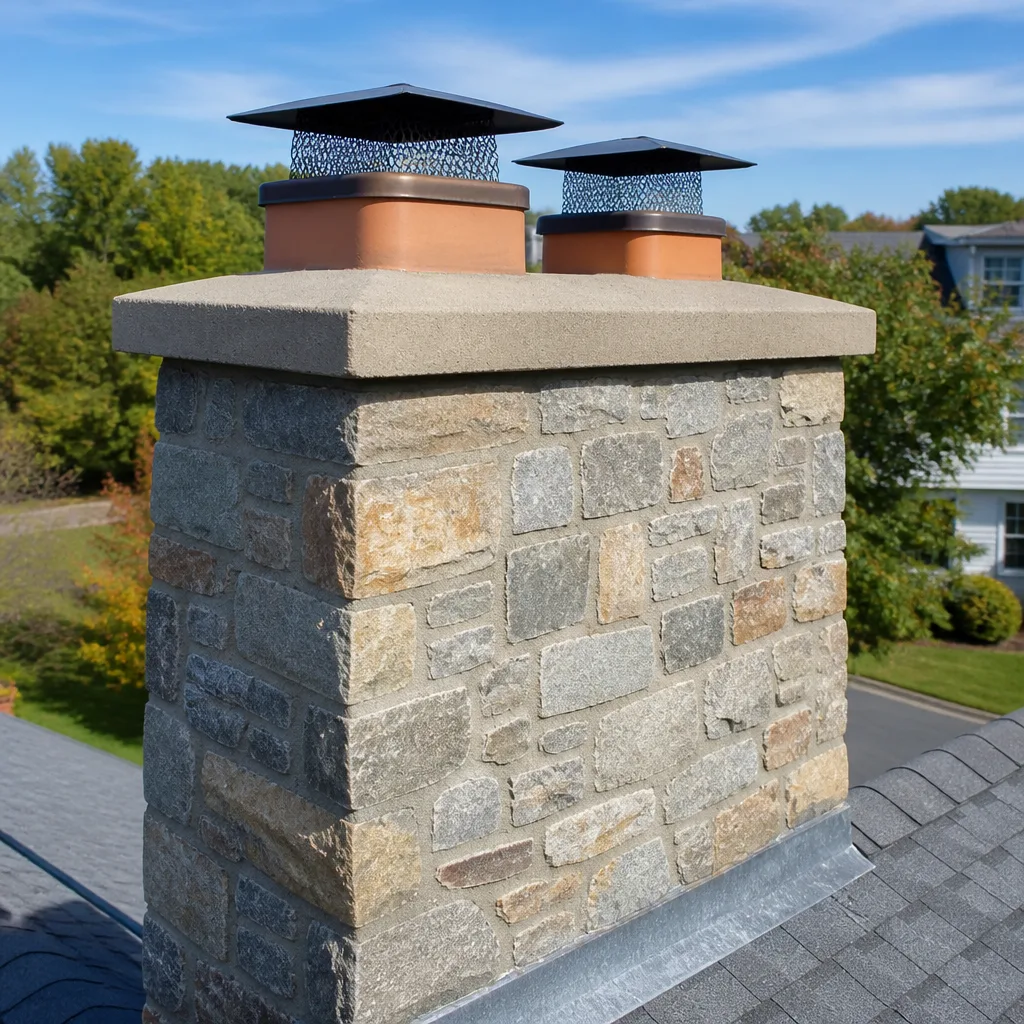 Caps & crowns
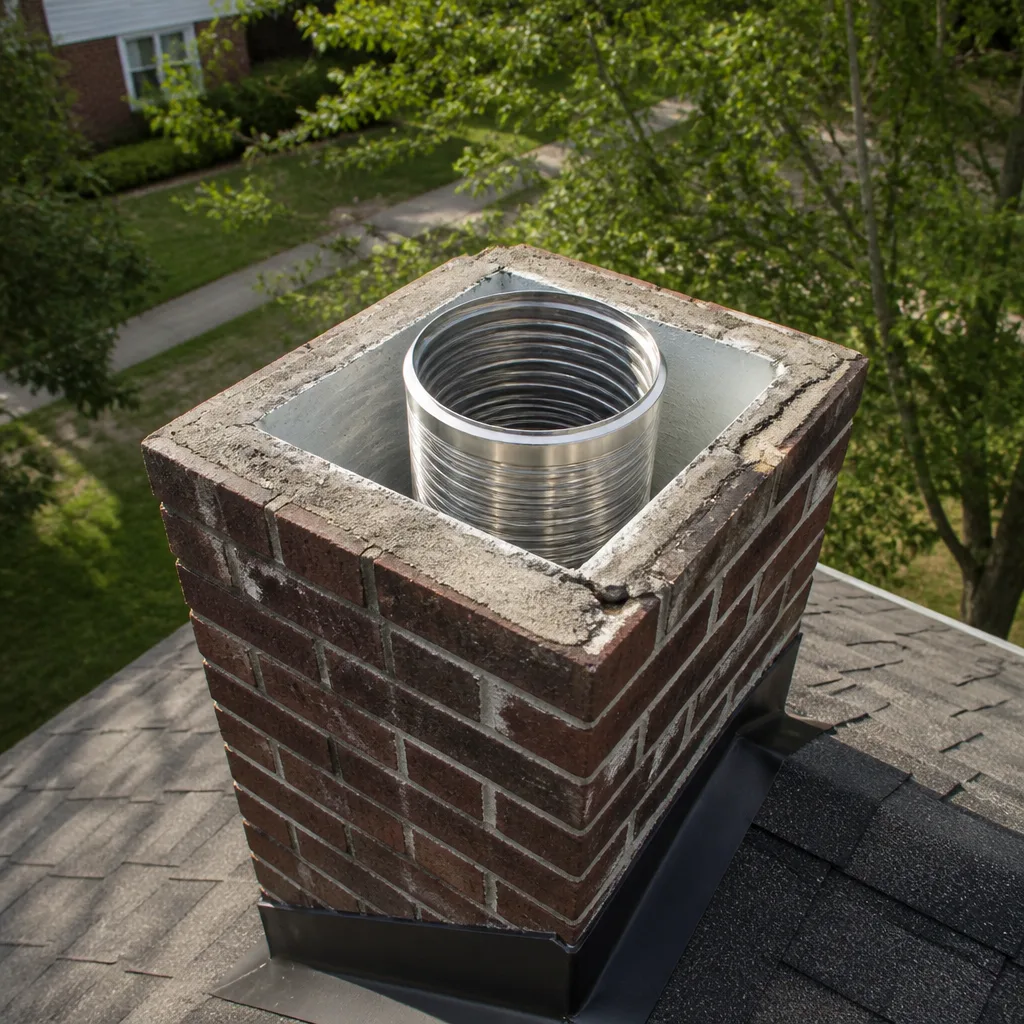 Flue relining
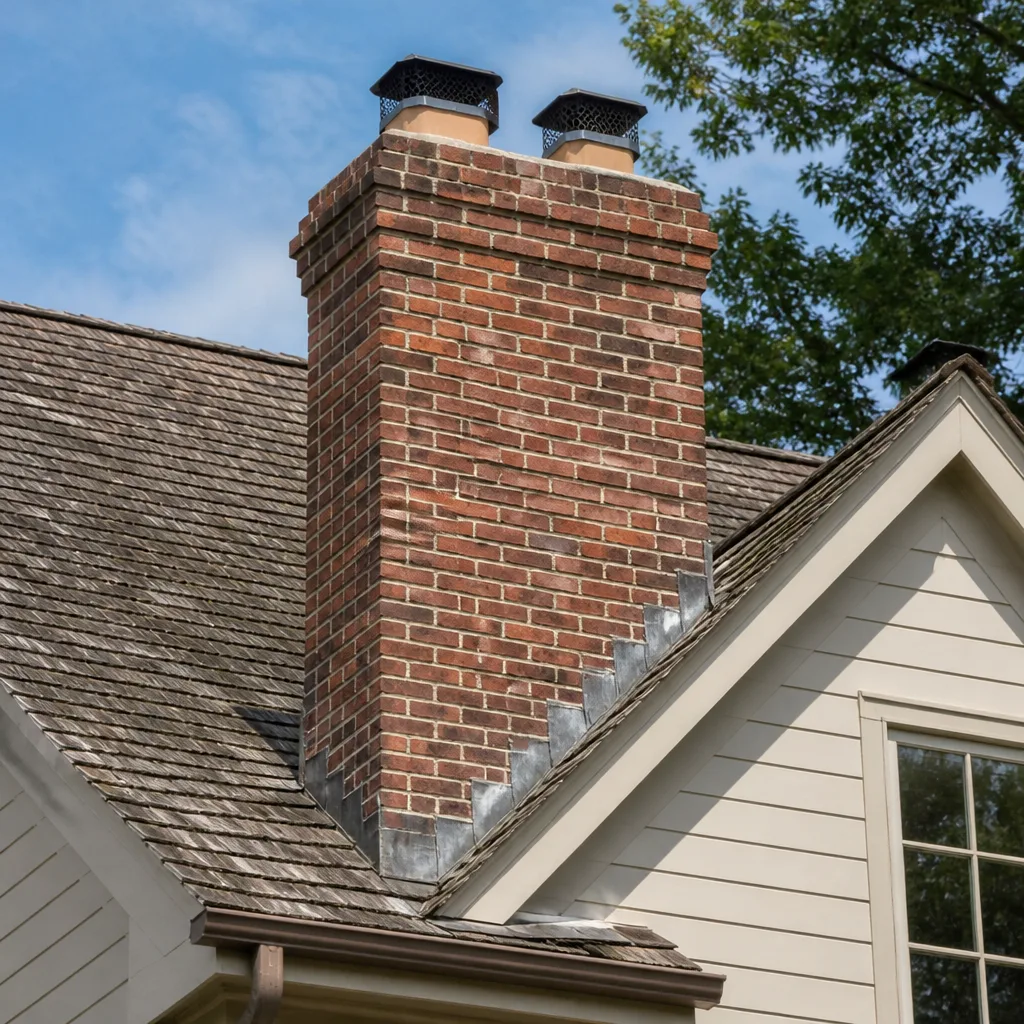 Masonry repair
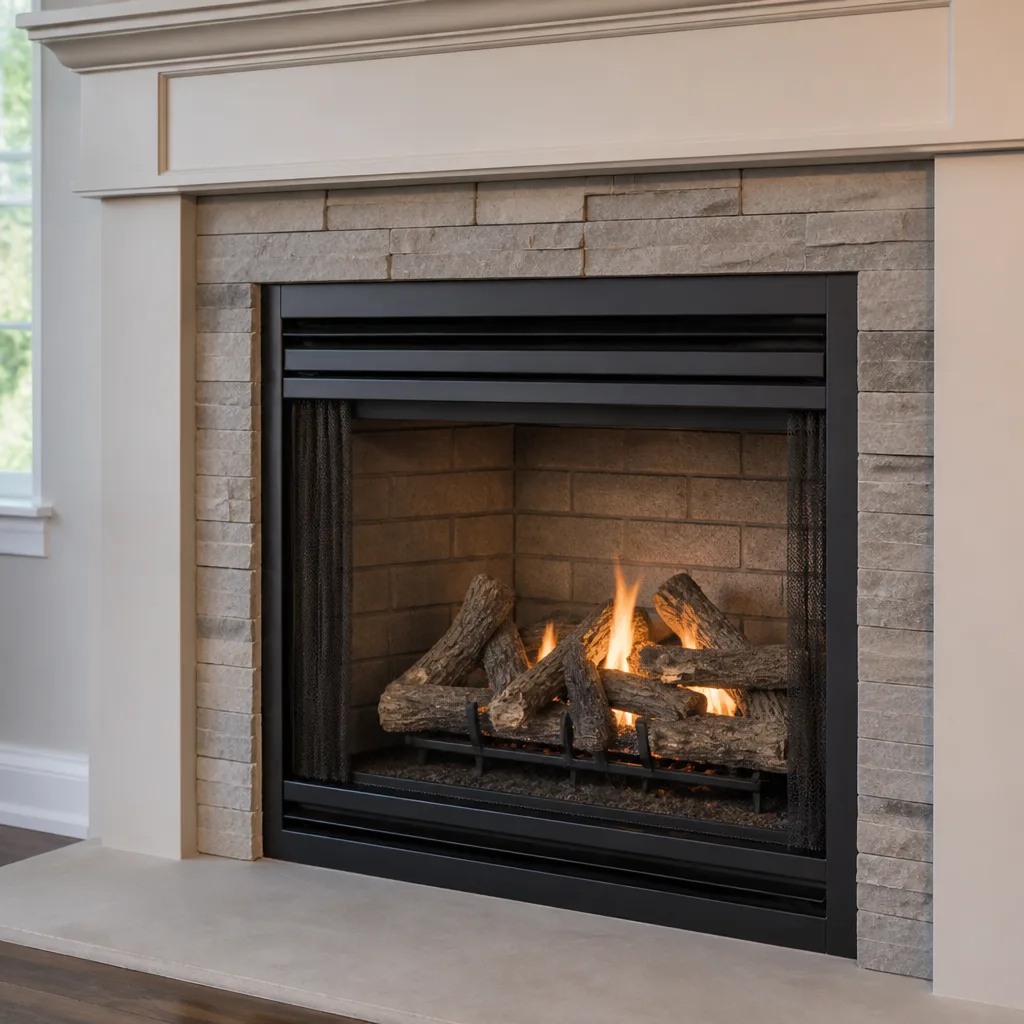 Gas fireplace service
Level 1 sweep and inspection to the NFPA 211 annual standard - flue, crown, cap, and flashing checked and photographed
Chimney sweep logs do not sweep chimneys. They loosen some creosote - which then falls where a brush and vacuum still have to collect it.
DIY vs Professional Chimney Cleaning: The Bensonhurst Homeowner’s Decision Guide
You can buy a chimney brush kit online and push it through your own flue. Most homeowners can. What you can’t do at the top of that brush is classify the creosote stage you’re removing, check the liner for cracks at the offset, or tell whether the crown has let water into the mortar joint beneath it. Cleaning is roughly a fifth of what a professional visit actually accomplishes. This guide from Bensonhurst walks through what DIY genuinely handles, where it physically stops, and how to decide which way to go for your particular chimney.
Quick Answer
Professional chimney cleaning is the right call for most Bensonhurst homeowners, and not because DIY brushing is dangerous. It’s because a brush removes loose soot while leaving the two things that actually threaten your home, glazed creosote and a cracked liner, completely untouched. A proper sweep pairs cleaning with an inspection, and that inspection is where the real work happens.
Styles & brands we work with
- Sweep & inspection
- Caps & crowns
- Flue relining
- Masonry repair
- Gas fireplace service
Table of Contents
- What DIY Chimney Cleaning Actually Accomplishes
- Where DIY Physically Stops: The Tools You Can’t Buy
- Why Bensonhurst’s Older Housing Stock Raises the DIY Risk
- The Creosote Stages and Why They Matter
- The Inspection: 80% of What You’re Actually Paying For
- Liability and the Insurance Reality
- What You Can Legitimately Do Between Professional Visits
- A Simple Decision Framework
What DIY Chimney Cleaning Actually Accomplishes
A homeowner with a brush, rods, and a drop cloth can accomplish real work. There’s no point pretending otherwise. A correctly sized polypropylene brush run up and down a flue does remove soot, ash, and the light, flaky creosote that builds up after a season of fires. On a straightforward masonry chimney with a healthy liner and a wide cleanout, a careful homeowner will get a decent result.
What that same homeowner removes is the part of the deposit that was least likely to cause a problem. Light, first-stage creosote is friable, dusty, and burns off readily. The deposits that cause chimney fires are the hard, tar-like layers that bond to the flue wall, and those don’t yield to a nylon brush regardless of how much effort goes into the stroke. The brush passes over them and comes back down looking bent but clean.
Where DIY stops is at assessment. Pushing a brush up a flue tells you nothing about:
- Whether the clay tiles have hairline cracks at a flue offset
- Whether the mortar joints between tiles have begun to erode
- Whether the crown has separated from the top of the chimney
- Whether a bird or squirrel has built a nest behind the damper
- Whether the appliance is drafting correctly or back-puffing into the room
For a Bensonhurst homeowner cleaning a chimney they’ve never had inspected, the brush creates a specific and somewhat misleading feeling: the flue looks clear, the soot is gone, the job feels complete. The liner underneath may be cracked and the crown may be leaking, and neither fact becomes visible from the firebox. In our experience, that false sense of completion is the actual risk with DIY, not the manual labor itself.
Where DIY Physically Stops: The Tools You Can’t Buy
A professional sweep shows up with equipment that has no hardware-store equivalent. It isn’t a matter of a better brush. These are separate tools that complete separate tasks, and each one exists precisely because a brush can’t do that task.
Rotary cleaning systems
A rotary system spins a weighted whip or chain head at the end of a flexible rod, and it grinds hard deposits off the flue wall rather than scraping the surface. That’s how stage-two and stage-three creosote gets removed, and a homeowner cannot buy one at retail. The systems are commercial-grade, sold through professional supply lines, and require the operator to know how hard to run them without cracking clay tile. It’s a technique as much as a tool.
Chimney cameras
A flue camera on a flexible lead shows the technician the inside of the flue from top to bottom. In older Bensonhurst houses, that camera is the only way to spot an offset crack or a section of spalled clay tile that’s failing above a bend you can’t see from either end. Without it, an inspection is a guess.
Draft gauges
A draft gauge measures how much negative pressure the chimney is pulling. A flue that looks clean may still have poor draft because of a change in the house’s air sealing, a new kitchen exhaust fan, or a blocked cap. The gauge tells you what’s happening; the eye alone cannot.
Chemical de-glazers
For glazed third-stage creosote, professionals use a chemical de-glazer that chemically softens the deposit before it’s mechanically removed. Getting the chemistry and the dwell time right is a trade skill, and the products themselves are professional-supplied.
When we specify professional equipment and trade-grade materials like DuraFlex and HeatShield, it isn’t marketing language. It reflects what a full-service chimney specialist does on every visit: clean, then look, then diagnose, then advise. A homeowner with a brush can do the first step and only the first step. For a full picture of the standard sweep workflow, our chimney sweep page walks through it.
Why Bensonhurst’s Older Housing Stock Raises the DIY Risk
Bensonhurst was built largely before 1960, and a lot of the housing stock reflects exactly that. Row houses and detached homes from that era were constructed with clay tile liners set inside mortar, and those systems have been through sixty and seventy years of heating-and-cooling cycles. They were never intended to be inspected once and forgotten.
The specific conditions that show up again and again in Bensonhurst chimneys:
- Deteriorated clay tile liners. Mortar joints erode over decades, and tile cracks develop at offsets and at the point where the flue meets the roof. These are rarely visible from the firebox.
- Settlement cracks. Brick and mortar move with the house. Small cracks that open at a roofline or at the crown can let water into the flue, and water is what starts the deterioration of everything below.
- Non-standard flue dimensions. Older construction didn’t follow modern sizing tables. A flue may be too large for the appliance connected to it, which affects draft, and a homeowner has no way to measure and evaluate that from the ground.
- Previous homeowner modifications. In a borough this old, a chimney may have been repointed, relined partially, or retrofitted with a flue connector that altered how it functions. A camera inspection spots all of it.
A homeowner who brushes their own flue in a house like this is working blind on the exact component that matters most. The camera is not a luxury on old Bensonhurst construction; it’s the only way to see what’s happening. And if the liner turns out to be too far gone for cleaning alone, a chimney repair specialist can apply a resurfacing system like HeatShield to restore the liner wall without a full reline. That’s a specialist capability, not something a homeowner can replicate with a brush kit.
The Creosote Stages and Why They Matter
Creosote is the unburned byproduct of wood combustion that condenses on the inside of the flue. It comes in three broadly recognized stages, and the distinction is what determines whether cleaning is straightforward or requires specialist work. This is one of the core reasons a trained eye matters on an inspection visit.
- Stage one: soot and light flaky creosote. Dusty, easy to remove, and what most of a brush’s work targets. It’s the layer that builds up fastest between sweeps.
- Stage two: hard, crusty, tar-like creosote. Bonds to the flue wall. A brush passes over it. Rotary equipment or a chemical treatment softens and removes it.
- Stage three: glazed creosote. A shiny, hardened layer almost like glass. It’s the most combustible form, it’s the hardest to remove, and it’s the stage that most often leads to a chimney fire if it’s ignored.
Recognizing stage two or stage three on sight requires training and experience. The deposits look different from the firebox than they do from the flue, and a homeowner with no reference point often can’t tell them apart. That misclassification cuts both ways: a homeowner may think a serious deposit is minor and skip a professional visit, or think a minor one is serious and worry about a problem that isn’t there. In either direction, a camera inspection settles it, and that’s precisely the kind of clarity our Chimney Sweep Bensonhurst team exists to provide.
The Inspection: 80% of What You’re Actually Paying For
The single most important reason to have a professional sweep is the inspection that goes with the cleaning. On a well-run visit, cleaning takes a fraction of the time, and inspection takes most of it. That allocation is deliberate.
A thorough inspection covers every part of the venting system, from the firebox through the flue and out the crown:
- The firebox and damper for cracks, rust, or improper operation
- The smoke chamber for rough surfaces and deposit buildup
- The full length of the flue, examined by camera for cracks, spalling, or separation
- The chimney exterior for masonry damage, missing mortar, or a deteriorated crown
- The cap and spark arrestor for corrosion or missing components
- The appliance connection for correct sizing and drafting
The cap and crown are where a lot of Bensonhurst chimney problems begin. A cracked crown lets water into the masonry, and water causes more long-term damage than fire does in most chimneys. If the inspection finds a failing crown, a chimney cap & crown replacement is a straightforward fix that prevents the more expensive repair below it. That finding only surfaces when a camera and trained eyes are involved. A brush alone never reports it. If you’ve never had an inspection on your Bensonhurst chimney, that alone is a reason to book a professional visit, even if the cleaning feels optional.
Liability and the Insurance Reality
Homeowner’s insurance treats chimney fires as a high-risk claim category. When a chimney fire claim is filed, the adjuster typically looks for evidence that the chimney was maintained, and a professional inspection record from the prior twelve months is often what stands between a covered claim and a denial. Without that record, a carrier may argue the loss was preventable and outside the reasonable-maintenance standard they expect from a homeowner.
That’s the difficulty with DIY. A homeowner who brushes their own flue every year and never has it inspected has no documentation to show. There’s no written report showing the liner was sound, no photographic evidence of the crown, no record of what condition the flue was in. In our experience, that gap in paperwork turns a perfectly legitimate claim into a contested one. A professional sweep produces a written report with photographs, and that report has direct financial value if a claim is ever filed.
The same logic applies to the sale of a home. A buyer’s inspector who finds a chimney without maintenance records will often flag it for further evaluation, which delays a closing. Professional documentation sidesteps that problem entirely. For anyone buying an older Bensonhurst row house, the inspection report is worth having before the closing, not after.
What You Can Legitimately Do Between Professional Visits
DIY isn’t the wrong instinct. It’s a question of scope. A homeowner can absolutely do useful maintenance between professional sweeps, provided the work stays within safe limits and doesn’t substitute for an inspection. Here’s what’s reasonable, and what to log for the next technician visit.
- Remove firebox ash after the heating season. Use a metal bucket with a tight lid and let the ash cool for a full day before disposal, since coals can stay hot long after the fire looks out.
- Operate the damper by hand and note how it feels. A damper that sticks, grinds, or won’t fully close is worth logging and mentioning at the next visit.
- Inspect the cap and the exterior of the chimney from ground level. Look for obvious rust on the cap, missing mortar, or a crown that looks cracked. Binoculars from a safe standing position are enough for the visible check; don’t climb.
- Check for water staining inside the firebox or on the smoke chamber. Water tracks mean the crown or cap has failed, and they’re worth mentioning even if the firebox looks otherwise clean.
- Keep a simple log. Note the date of the last sweep, what kind of wood you burned, whether you noticed draft problems, and anything unusual like a back-puff, odor, or visible smoke in the room.
What a homeowner shouldn’t do is climb onto the roof to inspect the top of the chimney, attempt to remove glazed creosote with shop tools, or sweep a flue that has never been inspected. Height work and unmapped structural problems are where the real danger lives, and no amount of care at ground level changes that.
A Simple Decision Framework
For most Bensonhurst homeowners, the honest answer to “DIY or professional?” is a split decision. Cleaning can be DIY within limits. Inspection should not. Here’s how to think about your own chimney.
Choose a professional sweep if:
- Your chimney has never been inspected, or you can’t remember when it last was
- Your home was built before 1960 and the liner has never been evaluated by camera
- You’ve noticed draft problems, smoke in the room, or a strong creosote smell from the firebox
- You’re not sure what creosote stage you’re looking at, or you see any dark, hardened, or shiny deposits
- Your insurer, buyer, or mortgage lender has asked for maintenance documentation
- You’re planning a sale of the home within the next year
DIY cleaning is reasonable if:
- You have a recent professional inspection on file showing a sound liner and crown
- Your flue is straightforward masonry with a cleanout and no offsets that have ever been an issue
- Your deposits are light and dusty, with no hard tar or glazing visible
- You’re willing to schedule a professional inspection every twelve months regardless
When DIY makes sense, it’s because the professional visit is happening anyway, just less often. When it doesn’t, it’s because the chimney has never been checked, and the brush is covering up exactly the information you need.
Common Mistakes to Avoid
- Treating a brush-down as an inspection. A flue that looks clean from the firebox can still have cracks at the offset that only a camera sees. Skipping the camera means you’re maintaining a chimney you don’t fully know.
- Attempting to remove glazed creosote with hand tools. Scraping a hardened deposit with a wire brush or chisel can crack clay tile and leave sharp edges where the creosote re-bonds faster. This is one of the strongest reasons to bring in professional rotating equipment.
- Climbing onto a Bensonhurst roofline without fall protection or training. Many of these are pitched slate or asphalt roofs with narrow footing. Height work is a professional’s job, and the injury risk far outweighs anything saved.
- Burning unseasoned or “anything” wood to save on fuel. Wet wood produces more creosote and more of it is stage two and three. Seasoned hardwood, properly stacked, keeps the deposit layer thin between sweeps.
- Assuming a gas fireplace is maintenance-free. Gas fireplaces still vent and still need inspection. Blockages, corrosion, and venting problems show up in gas units, and a Chimney Sweep Bensonhurst visit covers them.
- Ignoring water staining as cosmetic. Water stains in the firebox or smoke chamber are evidence the crown or cap has failed and water is inside the flue. That’s a ventilation problem, not a cosmetic one.
- Not keeping records. Insurance, resale, and future inspection decisions all depend on the paper trail. A broom that produced no written report leaves nothing behind.
See the difference
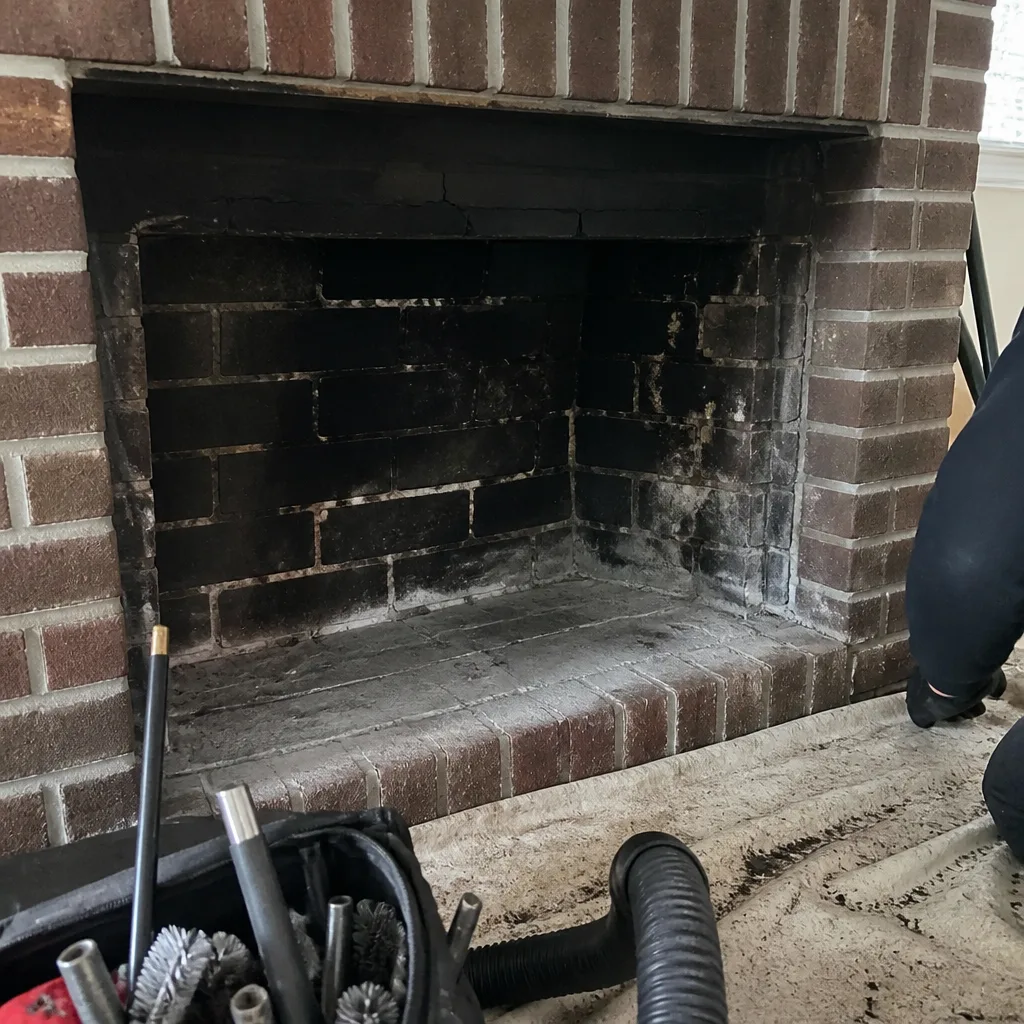 Before
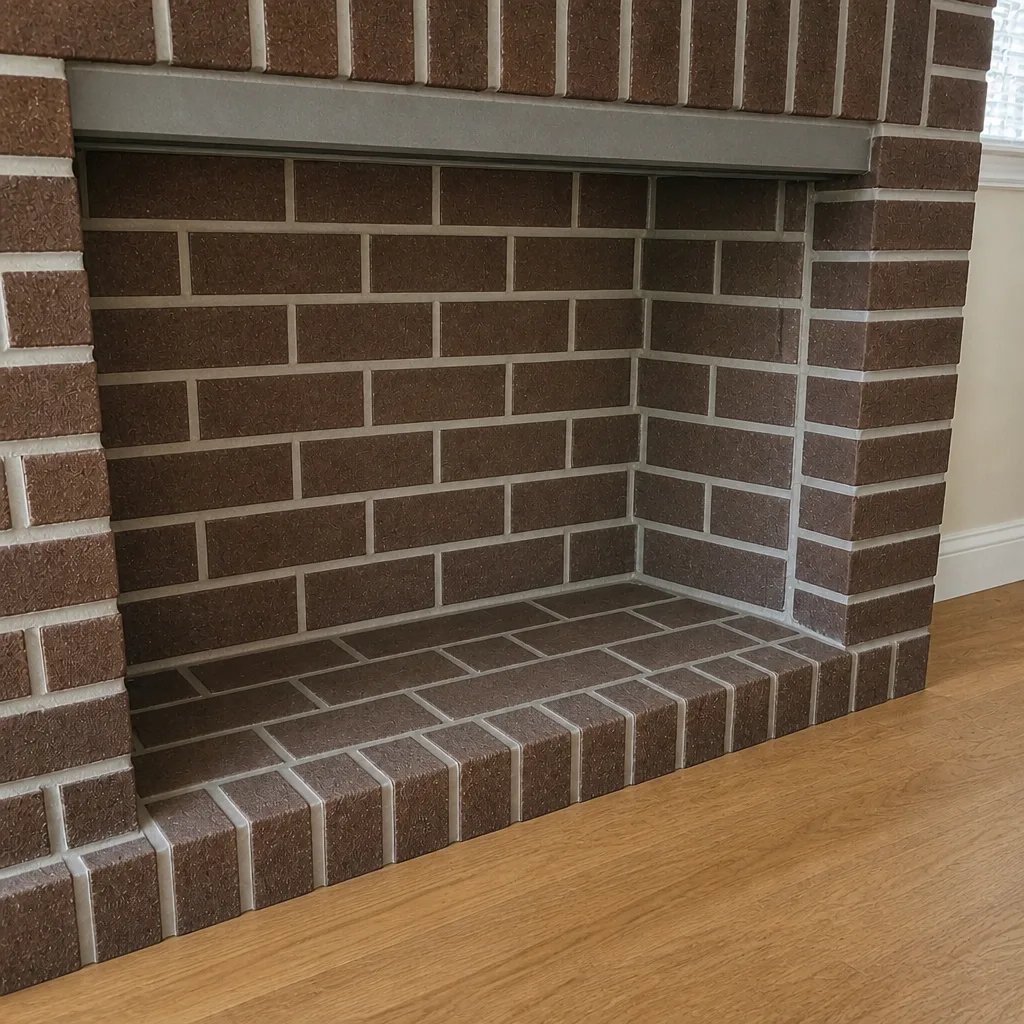 After
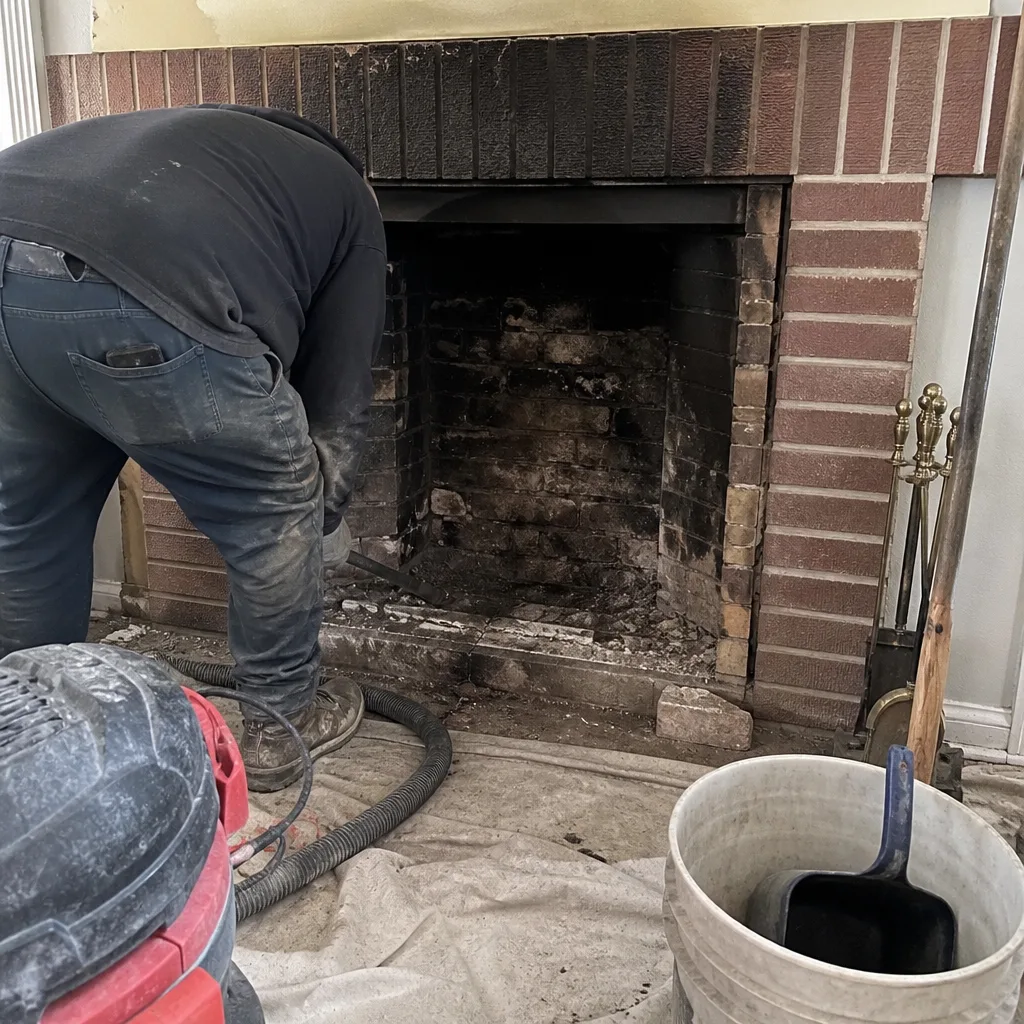 Before
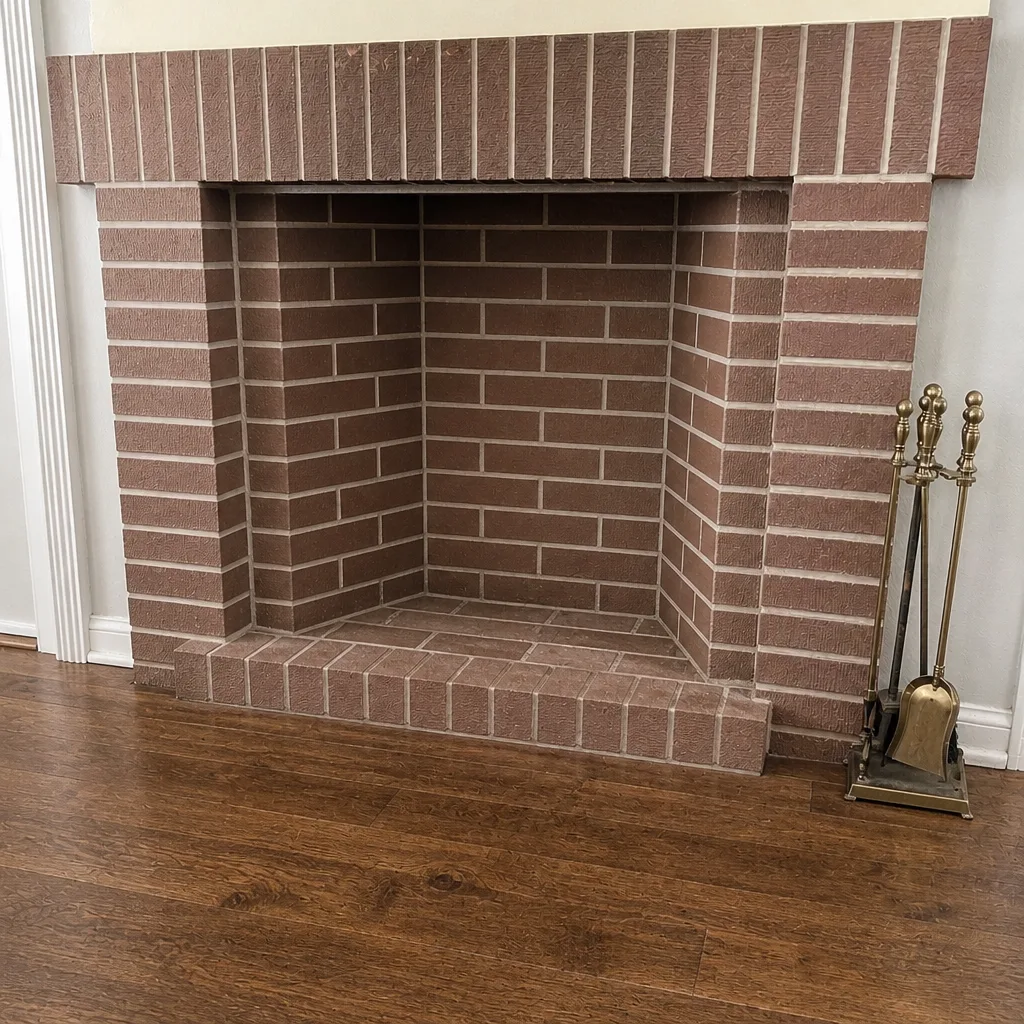 After
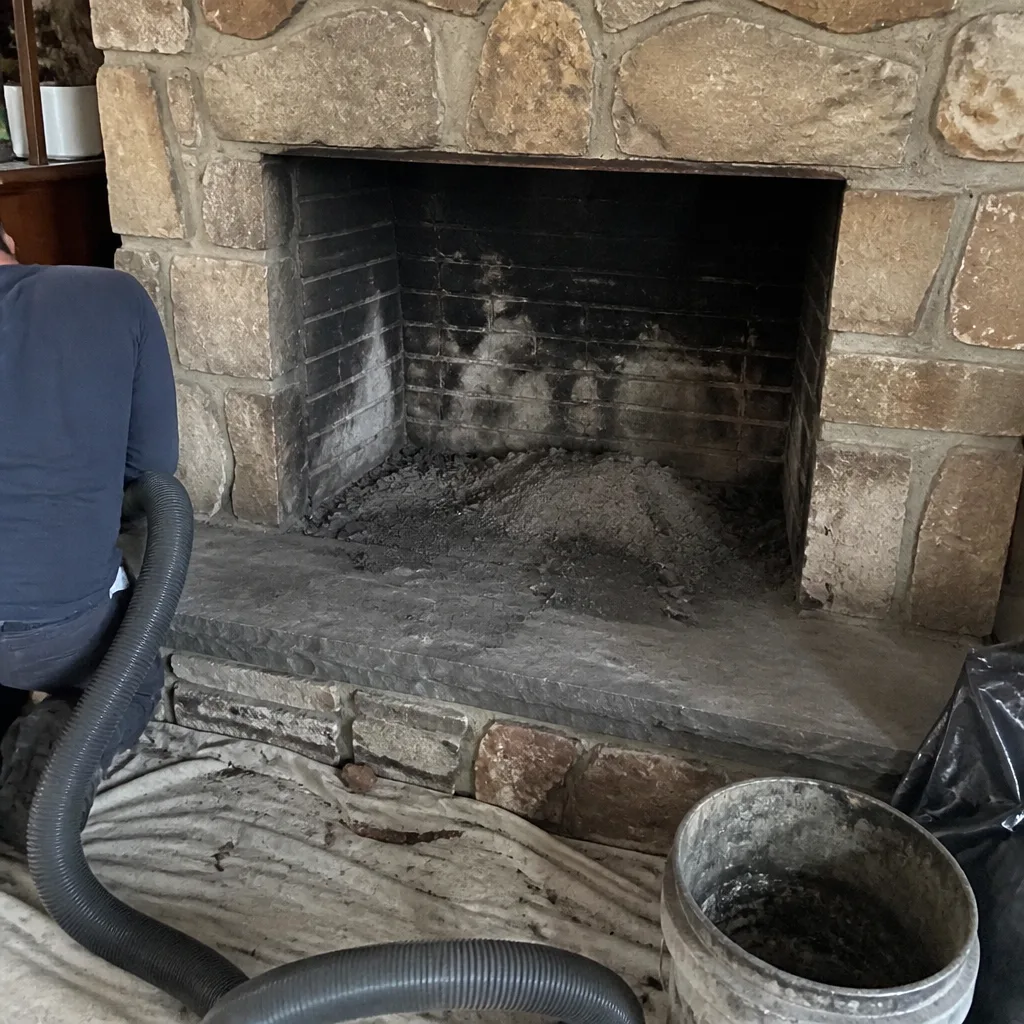 Before
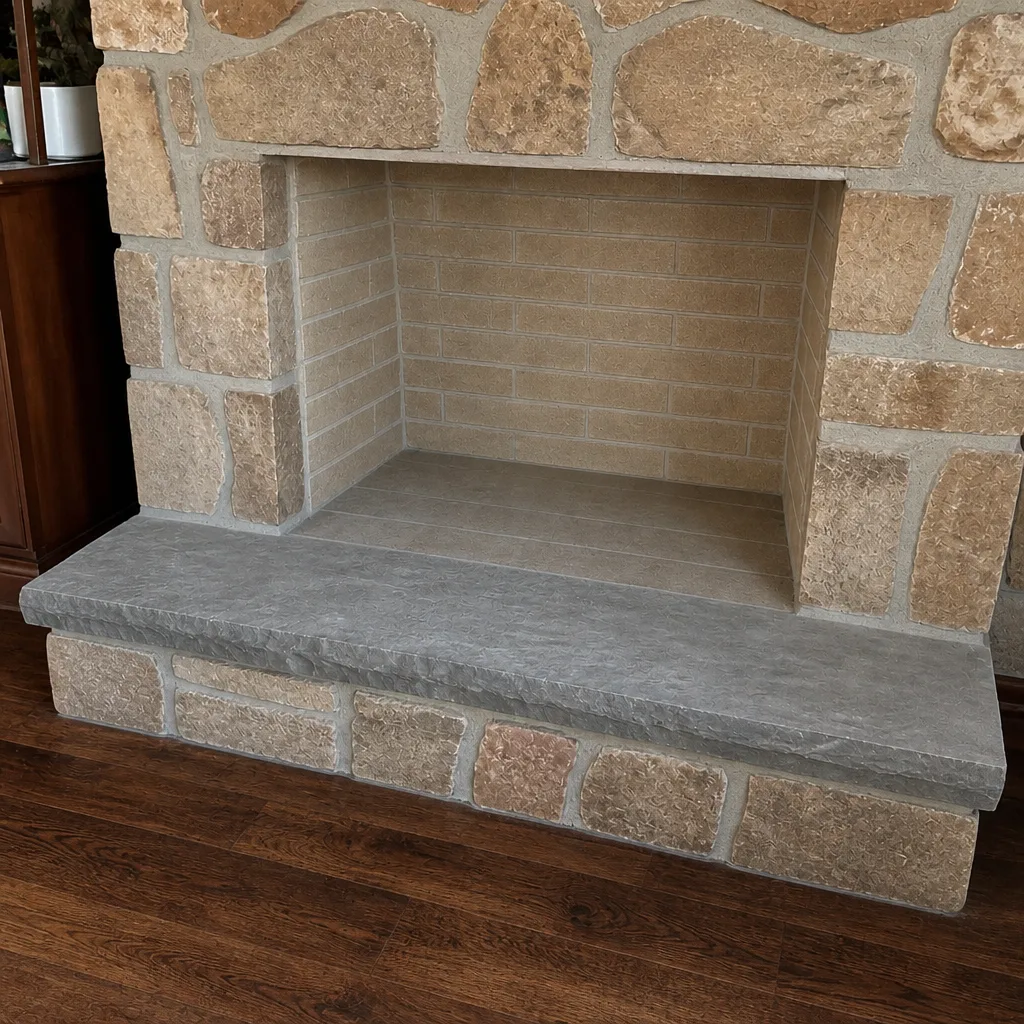 After
When to Call a Professional
Some situations make the DIY-versus-professional question easy. Call a professional if your home has never had a chimney inspection, if your chimney is more than a few decades old, if you’ve noticed smoke in the room during a fire, or if a strong creosote smell hangs in the firebox after the fire has gone out. The same goes for a chimney fire of any size, a change in how the fire behaves, or a buyer’s inspection that flagged the chimney. In all these cases, the work is inspection first, and cleaning is secondary. Chimney Sweep Bensonhurst offers free estimates in Bensonhurst. Call (855) 924-3713. We answer 24/7. Fast dispatch from 7am to 7pm, Sunday through Friday.
Frequently Asked Questions
Yes, you can push a brush through the flue and remove loose soot, but that’s the only part of the visit you’ll be replicating. Professional cleaning pairs the brush-down with a camera inspection, a creosote assessment, and a written report. If your Bensonhurst home has never been inspected, DIY cleaning leaves the most important work undone. Call (855) 924-3713 for an exact quote on a professional visit, and the estimate is free.
Once a year is the standard benchmark for a wood-burning chimney in regular use, and more often if you burn wet wood or use the fireplace heavily. The annual cadence matters less than the inspection that comes with it, because the inspection is what catches liner and crown problems before they turn into repairs. Call (855) 924-3713 for an exact quote on a professional sweep and inspection.
In the short term, probably nothing. In the long term, hardened creosote keeps building up while liner cracks and crown damage go undetected. The risk isn’t that brushing is bad; it’s that brushing feels like a completed job when it’s really a partial one. Over years, that gap becomes the expensive part. Call (855) 924-3713 for an exact quote and we’ll walk you through what a full visit covers.
A new liner is needed when the old clay tiles are cracked, spalled, or deteriorated enough that the flue can’t safely vent, and a camera inspection is how that’s confirmed. A specialized resurfacing system like HeatShield can often restore the liner wall rather than replacing it, which is the middle-ground fix many homeowners prefer. If we recommend liner work, the photos and the camera footage are shown to you first, not just described. Call (855) 924-3713 with questions before you book; the estimate is free.
Not without a recent professional inspection that confirms the liner is sound. Bensonhurst’s older stock contains clay tile liners that have had decades of heating cycles, and hidden cracks are common at offsets and where the flue meets the roofline. A homeowner brushing a flue with an unknown liner condition is working blind. Call (855) 924-3713 to book an inspection before you clean it yourself.
Coverage depends on the specific policy and the adjuster, but chimney fire claims are frequently contested when there’s no professional inspection record from the prior twelve months. The written report from a professional sweep is what a claim needs, and DIY cleaning produces nothing a claims adjuster can inspect. Call (855) 924-3713 for an exact quote on a documented visit, and estimates are free.
The Bottom Line
DIY chimney cleaning is real work and it isn’t useless. It removes the soot and light creosote that build up fastest. What it can’t do is classify the creosote stage, evaluate the liner by camera, or produce a written inspection record your insurer can use. On Bensonhurst’s older housing stock, those gaps matter more than they would on a newer house. Cleaning is the routine part of a professional visit; inspection is the value. If your chimney has never been inspected, book the professional visit first. You can decide afterward whether to brush it yourself next year.
To schedule a professional chimney sweep, cap and crown evaluation, or full repair assessment in Bensonhurst, call (855) 924-3713. We answer 24/7. Fast dispatch from 7am to 7pm, Sunday through Friday. Estimates are free, and nothing is recommended without camera evidence you can see for yourself.
Written by the team at Chimney Sweep Bensonhurst.