
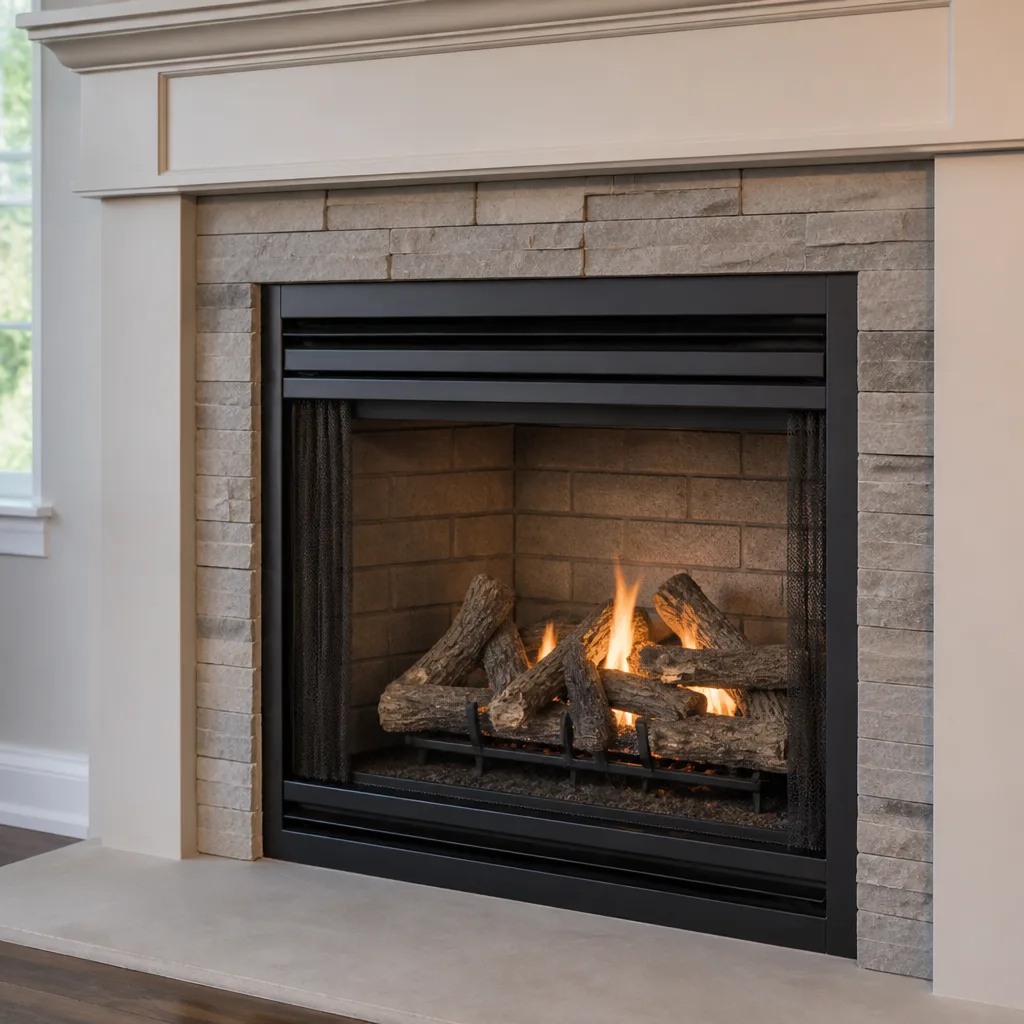
 Gas fireplace service
 Sweep & inspection
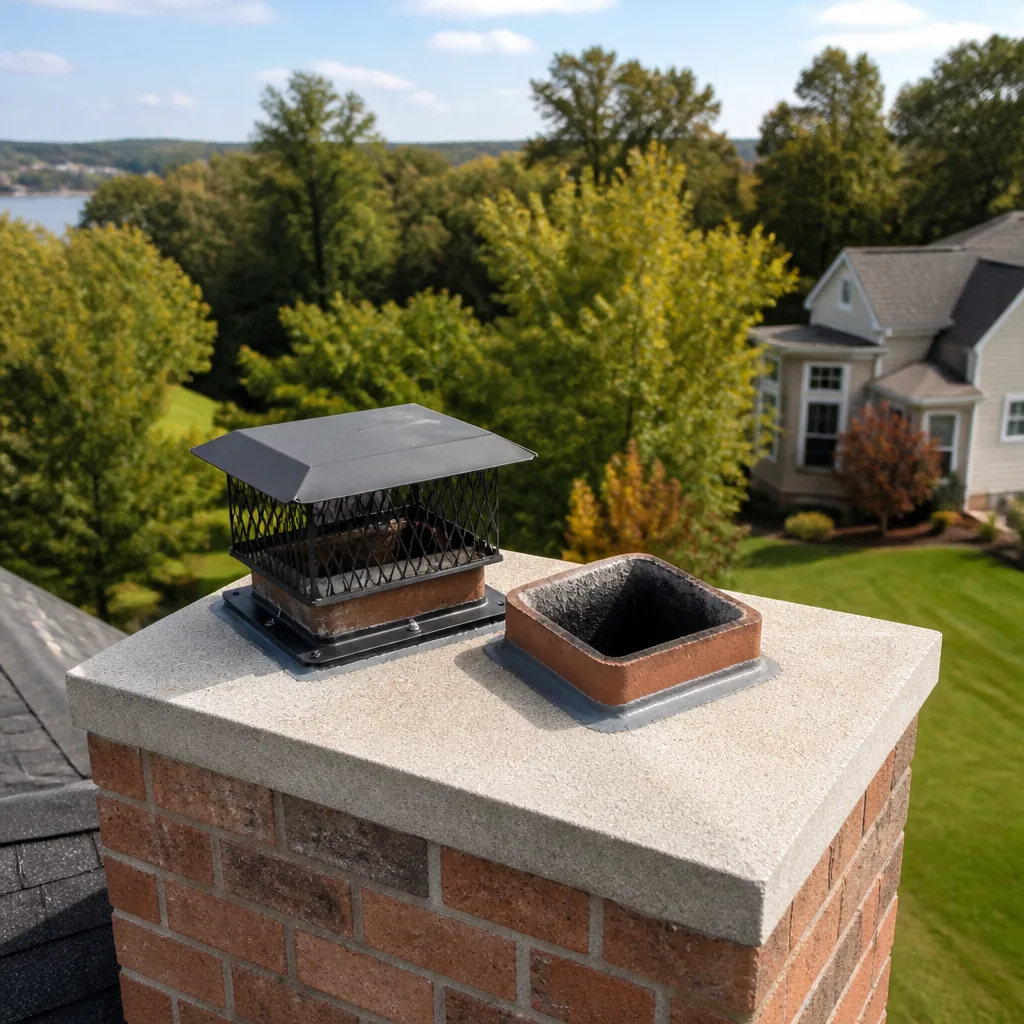
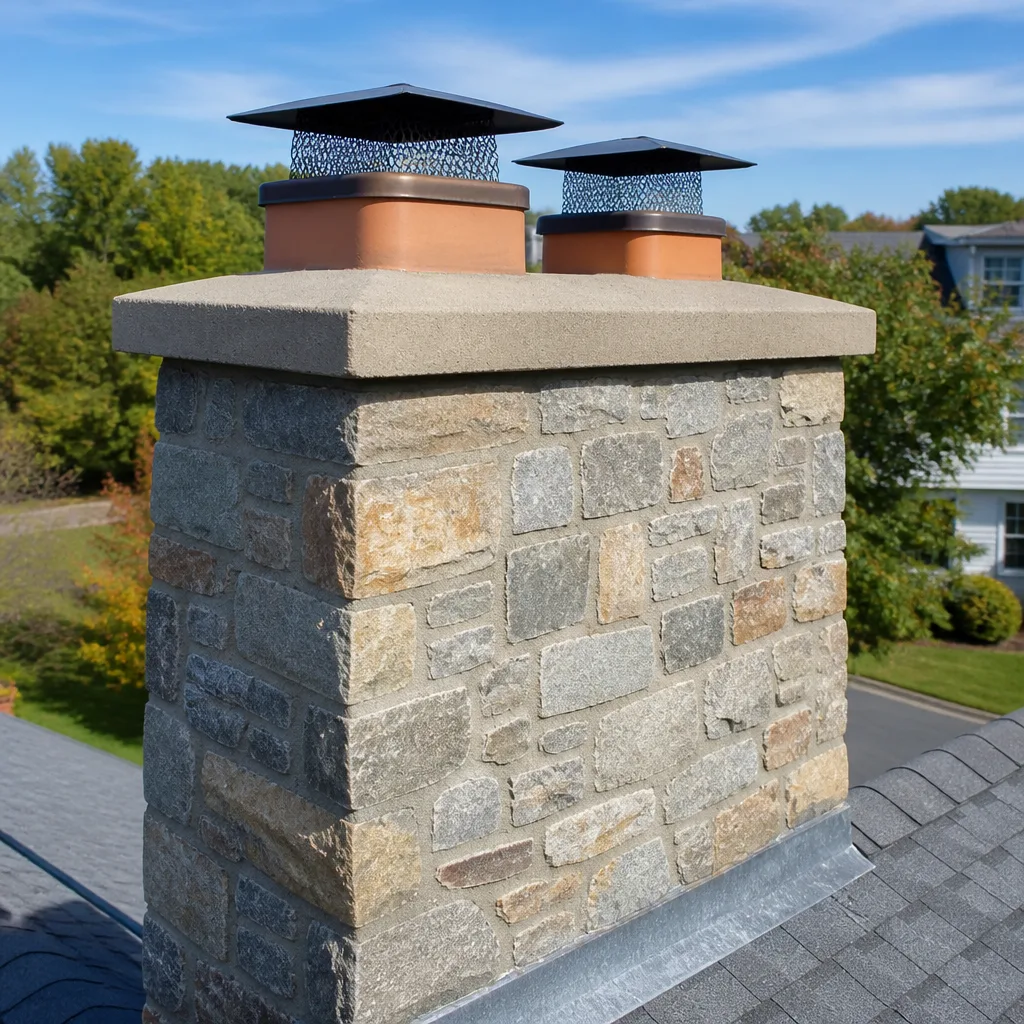 Caps & crowns
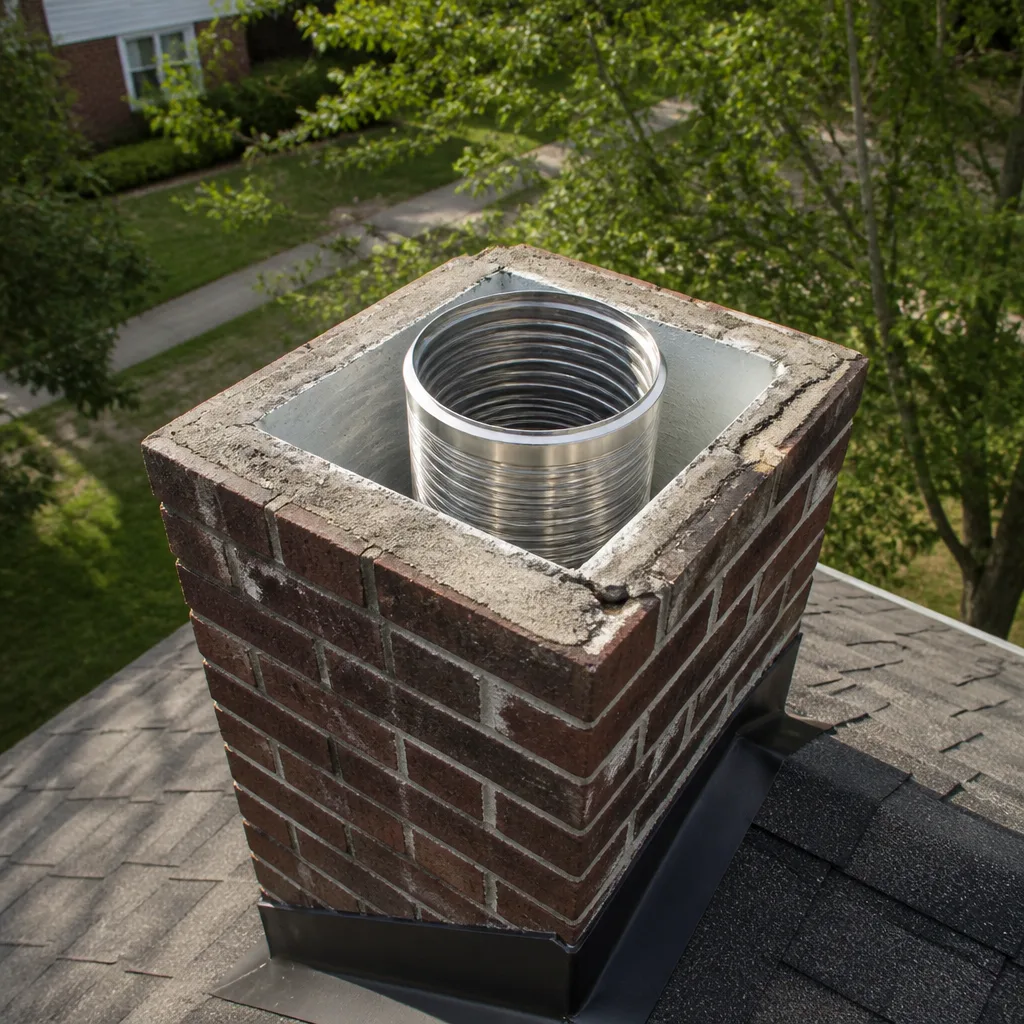 Flue relining
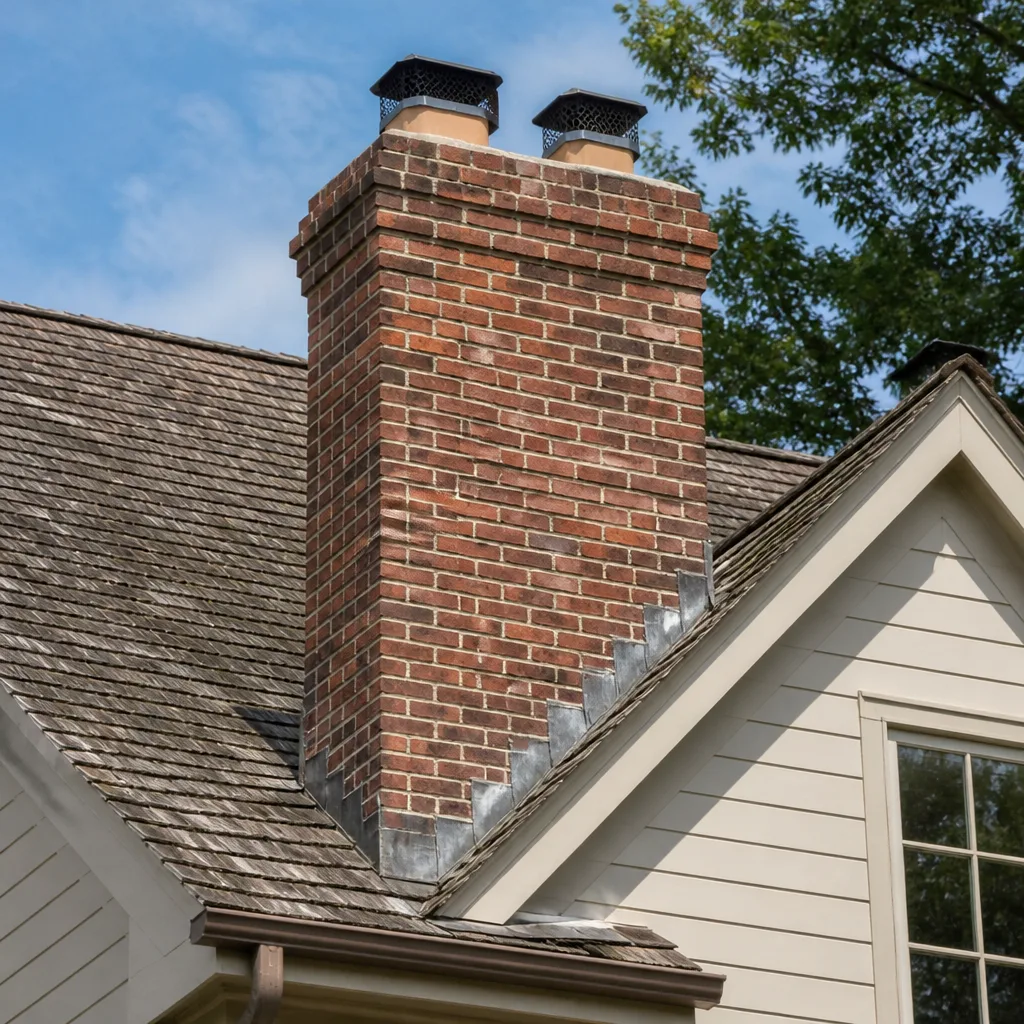 Masonry repair
Level 1 sweep and inspection to the NFPA 211 annual standard - flue, crown, cap, and flashing checked and photographed
Chimney sweep logs do not sweep chimneys. They loosen some creosote - which then falls where a brush and vacuum still have to collect it.
Why Bensonhurst Homeowners Choose DuraFlex Chimney Cleaning
We provide independent DuraFlex chimney cleaning service in Bensonhurst: sweeping, Level 2 camera inspection, cap and top-plate work, and repair or resealing of DuraFlex flexible stainless liners. What sets our DuraFlex work apart is that we treat the liner as part of a venting system, not just a tube to brush. We check the top plate, the cap, the connector at the damper, and the corrugation itself, because on Bensonhurst’s brick rowhouses those four points fail in different ways and at different times.
One point up front: we are an independent DuraFlex service provider. We are not affiliated with, authorized by, or a dealer for DuraFlex. We service and install DuraFlex equipment, and we’re clear about that every time.
Bensonhurst is full of DuraFlex liners because the neighborhood’s early- to mid-1900s brick two- and three-family homes have original unlined chimneys that needed relining somewhere along the way. Independent sweeps here see these systems on stack after stack, so we know how they hold up in real rowhouse conditions, not how they look in a catalog.
Our technicians have up to 12 years of experience. Call (855) 924-3713. We answer 24/7. Fast dispatch from 7am to 7pm, Sunday through Friday.
Why Trust Chimney Sweep Bensonhurst for Your DuraFlex Chimney Cleaning?
DuraFlex is a flexible stainless steel chimney liner, and flexibility is the whole reason it exists. It can be routed down an offset flue that a rigid liner can’t follow. That same flexibility is also where problems start. A liner that bends has corrugation, corrugation traps creosote, and trapped creosote is what most draft complaints actually come down to.
We know the failure points because they repeat: creosote packing at seams and elbows, loosened cap screws after freeze-thaw, water tracking down a failed top-plate seal, connectors corroding at the damper. Our vinyl-sided neighbors don’t have these issues the same way. Bensonhurst’s older masonry stacks do.
We use quality parts that fit DuraFlex equipment. We don’t claim to stock OEM parts, we aren’t factory-trained or certified by DuraFlex, and we never say otherwise. What we do is service the system according to how it’s built, so we don’t void a warranty by cutting corners a manufacturer wouldn’t accept. Where a manufacturer’s part is what the job calls for, we specify it.
We also cover the full chimney, not just the flue. Sweeping, inspection, cap and crown, chimney repair, and fireplace repair are all handled by us, so a DuraFlex problem doesn’t get handed off mid-job to a second company that never saw the original install.
Our technicians have up to 12 years of experience working on flexible liner systems. Call (855) 924-3713 for a free estimate.
Styles & brands we work with
- Sweep & inspection
- Caps & crowns
- Flue relining
- Masonry repair
- Gas fireplace service
Common DuraFlex Chimney Cleaning Problems We Fix in Bensonhurst
These are the five issues we run into most often on DuraFlex systems in Bensonhurst. They’re worth knowing before you call, because the symptom you notice at the fireplace is rarely where the problem actually sits.
- Creosote trapped in the corrugation. Flexible liner walls have ridges, and creosote condenses into them, especially at seams and elbows. On oil-to-wood conversions, which are common in Bensonhurst rowhouses, the buildup is faster because the flue was originally sized for a boiler, not a fireplace. Soot flakes on the hearth and a lazy draft are the usual signals. It takes brushes sized to the corrugation profile to clear, not a general-purpose flue brush.
- Top-plate and cap screws loosening or stripping. Freeze-thaw cycles work screws loose, and once the seal at the top fails, rain runs straight down the flue and rusts the liner from the top down. The rust you find inside usually starts at the top plate, not at the appliance. Annual tightening and seal inspection catches this before it becomes a reline.
- Liner-to-appliance connectors pulling apart or corroding. When the original masonry flue has spalled, the connector at the damper area no longer sits square, and it either pulls loose or corrodes where moisture collects. That opens a path for flue gas into the house, which is the reason we treat a wobbly connector as urgent rather than cosmetic.
- Kinked or crushed liner at tight offsets. A flexible liner can be installed badly. Where the flue bends sharply, the liner can crush or kink during the pull, restricting draft and creating a soot collection point that no brush will reach. This is invisible from either end. A Level 2 camera inspection is how you find it, and it’s how you tell a rough install from a rough liner.
- Water intrusion through a failed top plate. Beyond rusting the liner, a failed top plate lets water into the chimney chase itself. On Bensonhurst’s party-wall stacks, that moisture can show up on the neighbor’s side too, which turns a one-owner repair into a shared conversation. Crown and flashing condition at the top of the stack usually explains where the water is entering.
If you recognize any of these, a Level 2 inspection with camera evidence is the right first step. Call (855) 924-3713. Estimates are free.
DuraFlex Parts & Our Repair-vs-Replace Approach
Parts matter, but fit matters more. When we need a cap, top plate, or connector kit for a DuraFlex system, we prefer OEM components because they’re made to seat on that liner and because using them keeps the install within what the manufacturer would expect. When an OEM part is backordered and the job can’t wait, quality aftermarket stainless clamps and cement are an acceptable substitute. We tell you which one we’re using and why, and you see the parts before they go in.
On repair versus replacement, we’re blunt about it. A loose cap, a failed top-plate seal, or a connector that needs reseating is a repair. So is creosote removal done properly with the right brushes. But a liner that’s crushed at an offset or rusted through from years of water tracking down the flue usually can’t be patched honestly. Patching a rusted-through section buys you a season, maybe less, and the draft restriction from a kink doesn’t go away.
We don’t make that call on your roof and hand you a bill. We show you the camera footage and the photos, explain what each option actually gets you, and say plainly when a repair is the sensible path and when it isn’t. Nothing gets recommended without evidence you can look at yourself.
If you’re not sure which side of that line your liner is on, call (855) 924-3713 for a free estimate.
Our DuraFlex Service Process – Step by Step
- 1
Diagnosis and Level 2 inspection. We start with a camera inspection of the full flue run: liner condition, corrugation buildup, kinks at offsets, connector at the damper, and the cap and top plate from both sides. You get the footage and a photo report. This is where we decide whether it’s a sweep, a reseal, or something more.
- 2
Repair or install. Sweeping uses poly brushes sized to the liner’s corrugation so creosote lifts out of the grooves without abrading the stainless. Cap and top-plate work means resealing, retightening, or replacing a stripped fastener with the right component. If relining is the answer, the flexible liner gets pulled with attention to the offsets that cause kinks, and the connector is set square at the damper.
- 3
Test. We check draft, verify the cap and top plate are sealed against water, and confirm the connector is tight at the appliance. A camera pass confirms the liner came through the work without new damage. If something isn’t right, it gets corrected before we call the job finished.
- 4
Warranty-safe handoff. You get the photo report and a record of what was done, with the parts used and why. That documentation is what a manufacturer’s warranty review asks for, and it’s what you’d hand a buyer if you ever sell the house.
See the difference
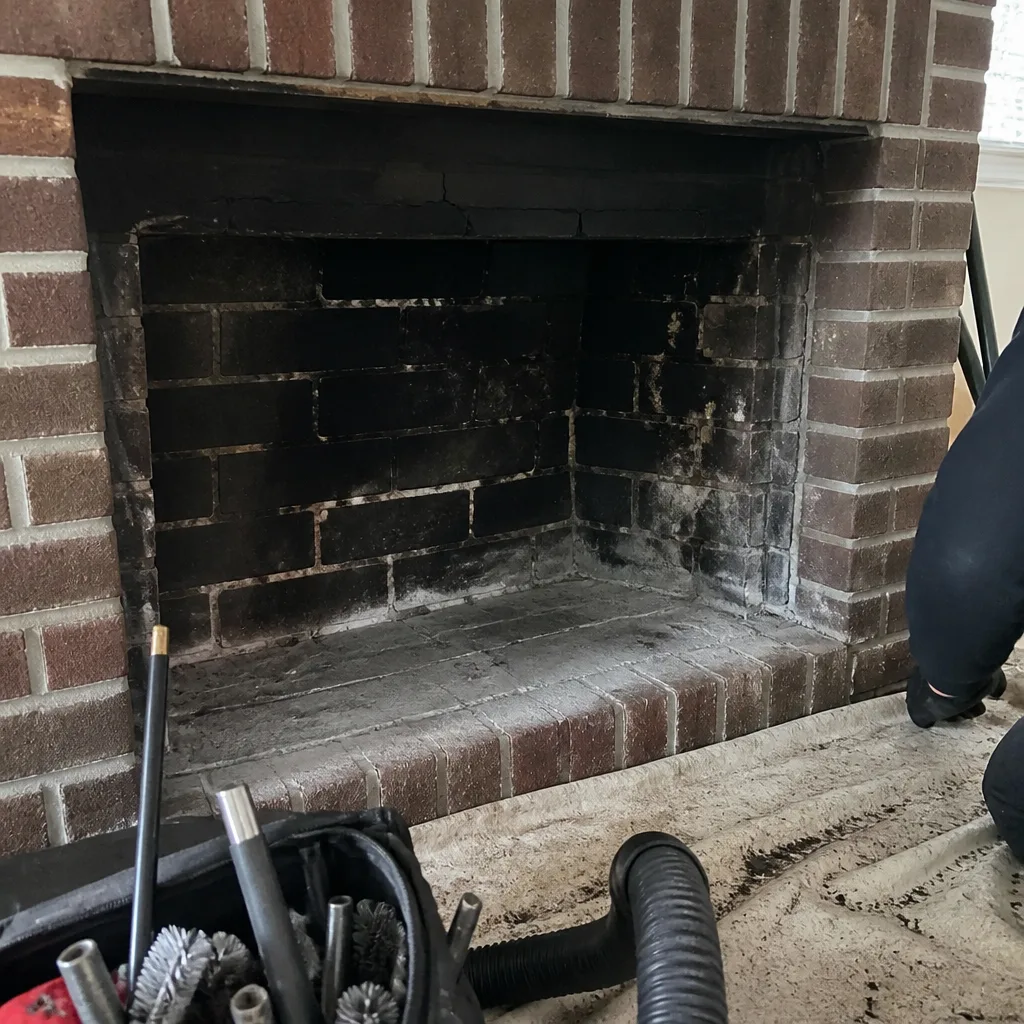 Before
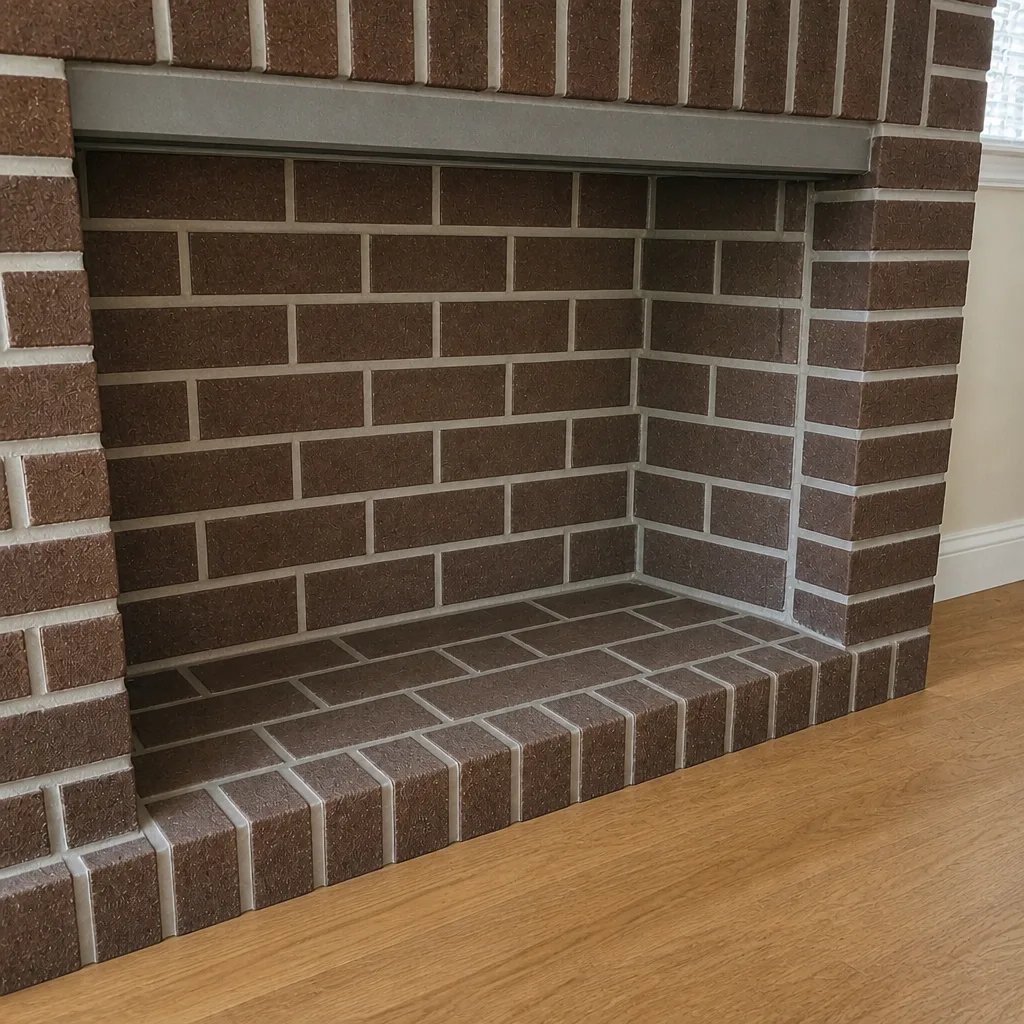 After
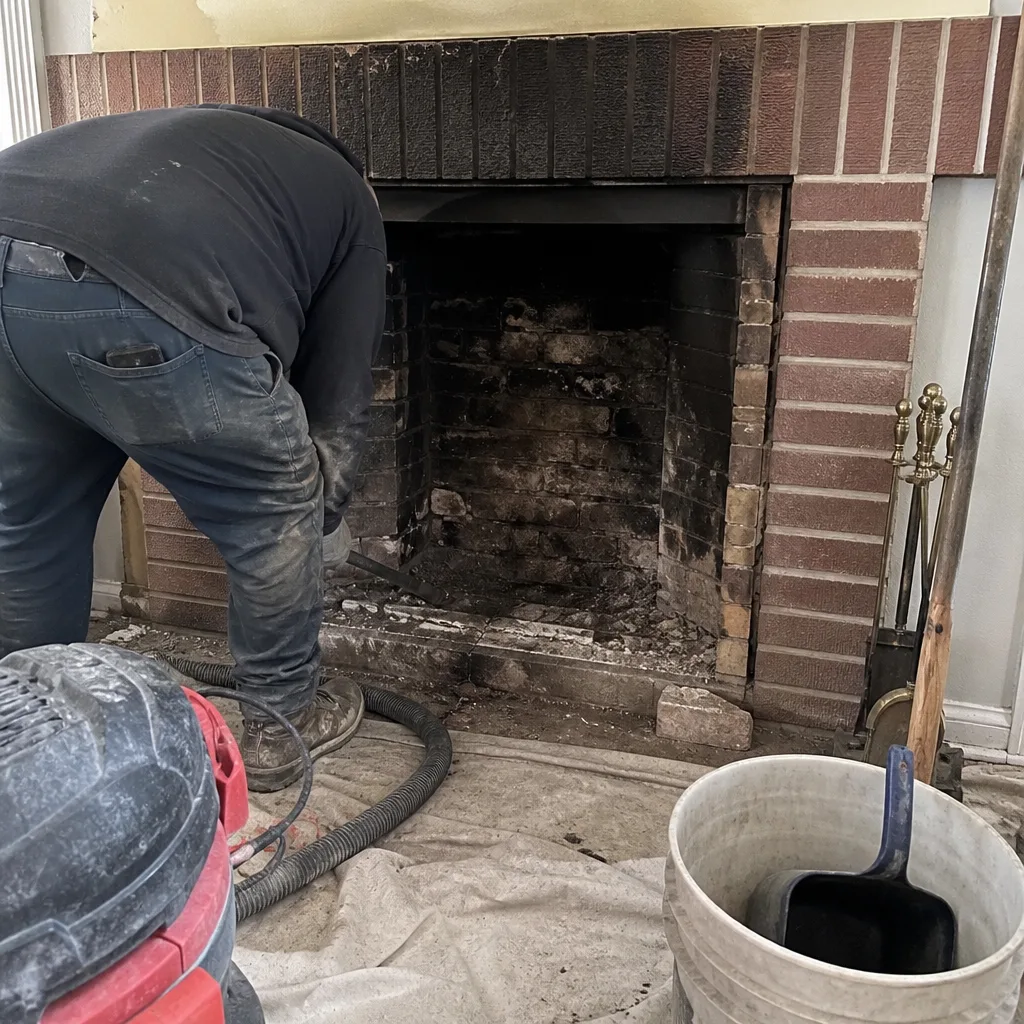 Before
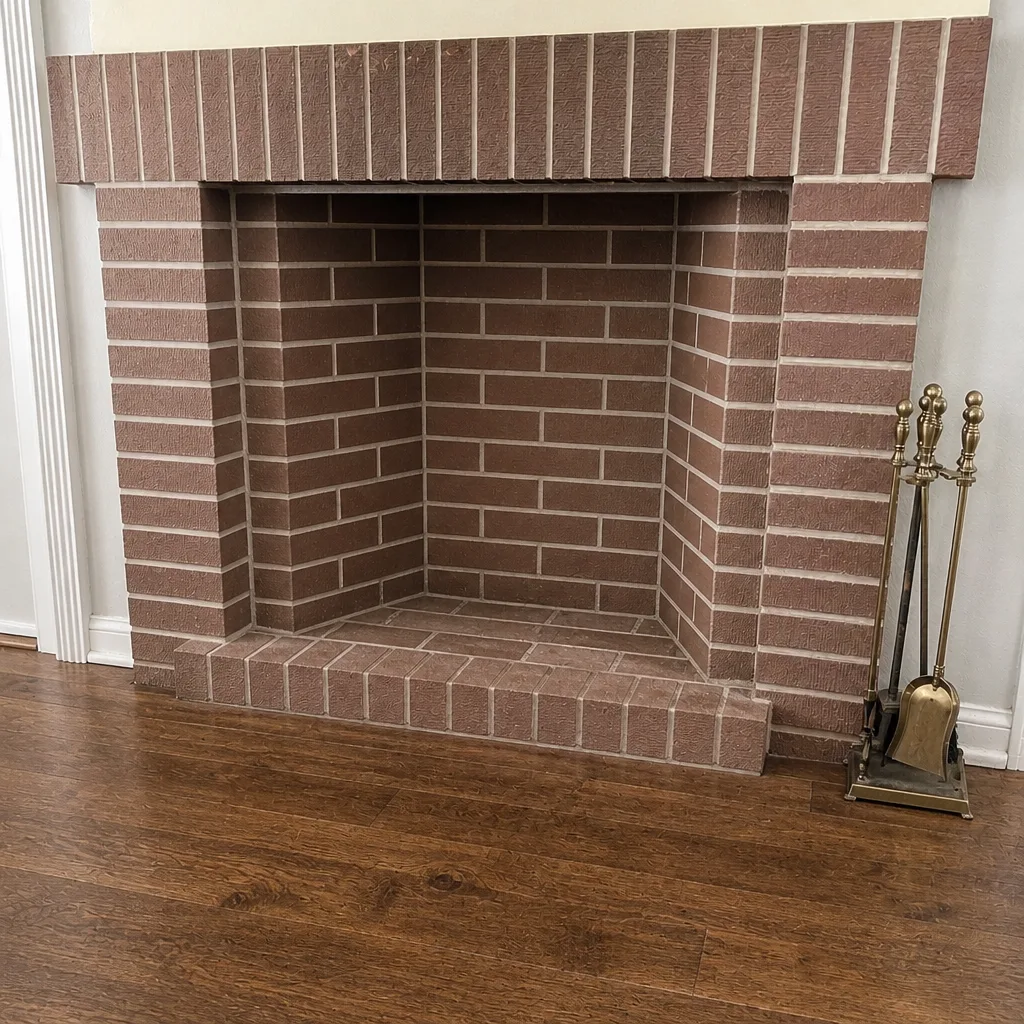 After
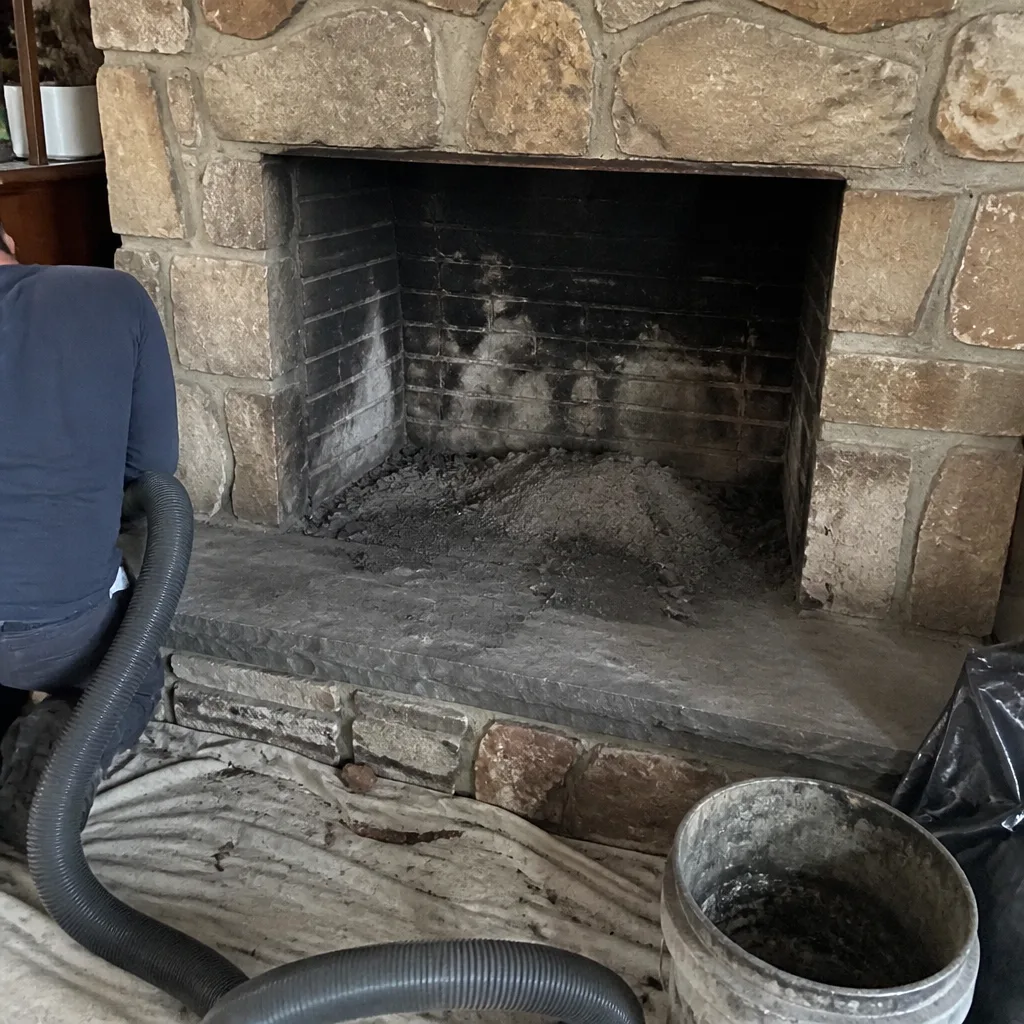 Before
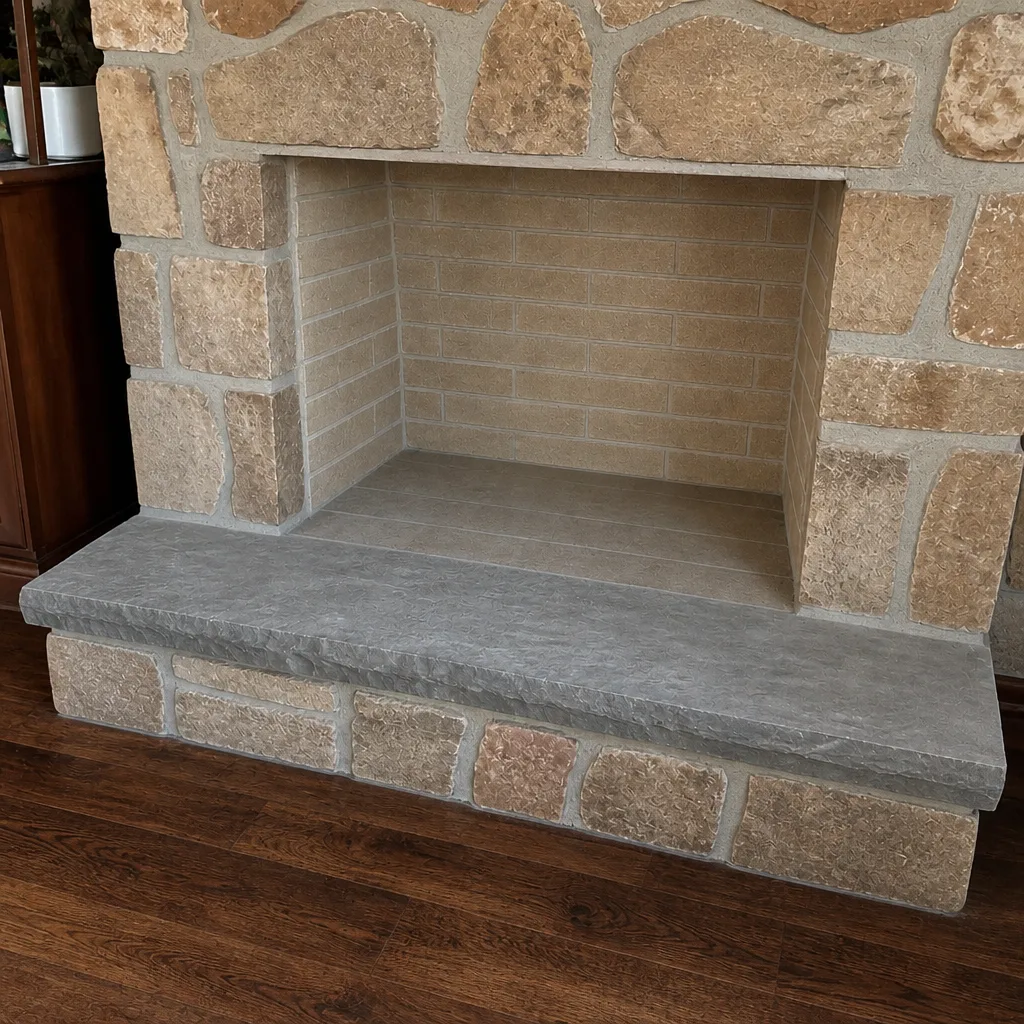 After
DuraFlex Products We Service & Install in Bensonhurst
We service and install the kinds of DuraFlex products that live on Bensonhurst chimneys. That includes the DuraFlex Stainless Steel Flexible Chimney Liner, the round single-wall liner that gets routed down the neighborhood’s offset brick flues. We also work with the DuraFlex Custom Multi-Flue Chimney Cap, built for the shared stacks where more than one flue comes out of a single chase. The DuraFlex Deluxe Top Plate and Cap Kits are what seal the top and keep water out, and those seals are exactly what freeze-thaw cycles attack. And we handle the DuraFlex Insulated Flexible Liner Kits, where insulation is part of getting draft and clearance right.
If you have a DuraFlex system on your roof and aren’t sure what’s up there, that’s a normal starting point. We’ll look and tell you.
We Also Service These Brands
We’re a chimney company that works on DuraFlex, not a single-brand shop. We also apply HeatShield ceramic flue-resurfacing systems, a specialist-only method for restoring deteriorating liner walls without a full reline. And we work with Gelco products where the job calls for them. That breadth means the right fix gets matched to your chimney’s actual configuration instead of whatever one brand happens to sell.
FAQs – DuraFlex Chimney Cleaning Service in Bensonhurst
No. We are an independent DuraFlex service provider, not affiliated with, authorized by, or a dealer for DuraFlex. We service and install DuraFlex equipment because we know the systems and they’re what’s on Bensonhurst chimneys. Any company claiming manufacturer authorization for cleaning and repair work is worth asking for proof. Call (855) 924-3713 if you have questions about our scope.
Yes. We use quality parts chosen to fit DuraFlex equipment, and we prefer OEM components for caps, top plates, and connectors because fit and warranty coverage both depend on them. Where an OEM part is backordered, quality aftermarket stainless clamps and cement are acceptable. We don’t claim to stock OEM parts, and we tell you which parts we’re using before installation. Call (855) 924-3713 for a free estimate.
A routine sweep of a DuraFlex liner typically takes under two hours, and a Level 2 camera inspection adds time on top of that. Cap and top-plate work is usually same-day. A full reline with a flexible liner is a longer job and gets scheduled accordingly. The written estimate sets the scope, the parts, and the timing before anyone starts. Call (855) 924-3713 to book.
We service and install DuraFlex flexible stainless chimney liners, custom multi-flue chimney caps, deluxe top plate and cap kits, and insulated flexible liner kits. That covers the round single-wall liner used on most rowhouse relines, the caps and top plates that seal the top of the stack, and insulated kits where draft and clearance require them. If you’re not sure what’s on your chimney, an inspection will tell you. Call (855) 924-3713.
Not if the service follows the system’s requirements. Our approach is warranty-safe: proper brushes sized to the corrugation, OEM parts where fit matters, documented photo evidence of the work, and no shortcuts on the top-plate seal. We’re independent, so we can’t speak for DuraFlex directly, but the documentation we leave behind is what a warranty review looks for. Call (855) 924-3713 for a free estimate.
A DuraFlex chimney cleaning in Bensonhurst is priced per job by a written estimate, and the estimate is free. Cost depends on the flue configuration, how much creosote has packed into the corrugation, whether a Level 2 camera inspection is needed, and whether the cap or top plate needs resealing or replacement. We don’t quote over the phone because we haven’t seen your liner yet. Call (855) 924-3713 for an exact quote, estimates are free.
Book Your DuraFlex Service in Bensonhurst, NY
If there’s a DuraFlex liner, cap, or top plate on your Bensonhurst chimney and something isn’t venting like it should, we can look at it and tell you what’s actually going on. Call (855) 924-3713 for a free estimate. We answer 24/7, with fast dispatch from 7am to 7pm, Sunday through Friday.
Where the Calls Usually Start
A homeowner with a DuraFlex flexible liner often calls after noticing draft problems or soot flakes on the hearth, and it usually traces to a loosened top plate or creosote packed into the corrugation near an offset. The work that follows is not dramatic: a Level 2 camera inspection, a sweep with poly brushes sized to the corrugation, and resealing or replacing the cap and top plate if the seal has failed. Knowing that sequence up front is what keeps a small seal failure from turning into a reline.
Why the Neighborhood’s Housing Stock Shapes the Work
Bensonhurst’s chimney work is shaped by two things most chimney pages don’t mention. First, the housing stock is dominated by early- to mid-1900s brick and stucco semi-detached and detached two- and three-family row houses, plus later 1960s and 70s brick infill and low-rise co-ops. The chimneys are typically original unlined brick, often with shared party-wall flues, and many were sealed off from boilers or had gas-fired hearth inserts added without proper lining. That history is why a DuraFlex reline ends up on so many of these stacks, and why the install details matter so much.
Second, shared party-wall stacks mean one flue chase can serve two households. On blocks off 18th Avenue, we routinely find one owner’s flue tied into a neighbor’s chimney chase, with a blocked-off old boiler flue that’s still venting nothing. A routine sweep on that configuration becomes a party-wall conversation before it becomes a cleaning job. That’s not a nuisance; it’s just what the stock looks like, and it changes how we scope and explain the work.
What the Water and Weather Do to These Stacks
Salt air from Coney Island and Gravesend Bay, plus windblown rain driven by Nor’easters off the water, attacks the exterior of these older stacks. Brick crowns and mortar joints spall, and the top-plate seal on a DuraFlex system is the first thing that gives when the crown above it starts failing. So crown and flashing repairs come up on the same visit as sweeping far more often than they would on a newer stack. It’s also why we look at the cap and top plate from above, not just the flue from below.
Where the Cleanout Door Usually Is (and Why That Matters)
Most chimneys in this dense stretch, from 18th Avenue east toward Bay Parkway and the Bath Beach-edge blocks, are interior masonry stacks hidden behind finished walls. Technicians here spend as much time finding cleanout doors and breaching plaster as they do sweeping. If your cleanout isn’t where we’d expect it, that’s not an unusual situation in Bensonhurst. It’s the default. We plan for it in the estimate rather than discovering it mid-job.
What a Good DuraFlex Service Visit Looks Like
The typical visit runs the same way every time, which is what makes it predictable. We start with the camera, go up top to check the cap and plate, sweep with brushes matched to the corrugation, and close with a reseal or fastener replacement where the freeze-thaw cycles have worked something loose. If the liner turns out to be sound, we tell you that and send you the photos. If it isn’t, we show you why. Nothing gets recommended without camera evidence you can see for yourself, and we say plainly when work can safely wait until the next burning season.
Creosote, Safety, and the Reason to Keep Up With It
Creosote is the safety issue behind a sweep schedule. When it builds up in a liner, it reduces draft, and it can ignite as a chimney fire under the right conditions. On an oil-to-wood conversion, which shows up often in Bensonhurst rowhouses, the buildup happens faster than a homeowner expects because the flue was sized for the boiler it no longer serves. Carbon monoxide is the other risk: a loosened connector or a crushed liner at an offset can let flue gas into the house even when the fire burns normally.
We don’t sell fear. The sensible answer on a DuraFlex liner in regular use is annual sweeping and inspection, more often if you burn heavily or notice draft problems or soot flakes. If you’re not sure your liner is in that rhythm, a camera inspection settles it quickly. Call (855) 924-3713. Estimates are free.
Trade-Grade Materials and Why the Brand Matters
We work with professional-grade brands because a chimney is a venting system, and every part of it has to match the part above and below. That means DuraFlex liners, caps, and top plates on DuraFlex systems, and quality parts that fit the product rather than generic hardware-store substitutes. We also work with HeatShield ceramic flue-resurfacing systems for deteriorating liner walls, which is a specialist-only repair method most sweep companies aren’t equipped to perform, and with Gelco products where the job calls for them. Our technicians have up to 12 years of experience specifying these materials, and that experience is worth the most on the failure modes that don’t show up in a catalog photo.
How a Bensonhurst Chimney Reline Usually Goes
When a DuraFlex flexible liner is the answer, the work starts with a Level 2 inspection and a measurement of the flue. The liner gets pulled with attention to the offsets, because a flexible liner can kink or crush at a tight bend during install, and that kink becomes a draft restriction and a soot collection point that only a camera can find later. The top plate and cap are seated and sealed against water, and the connector at the damper is set square so the original masonry spalling doesn’t pull it loose. Then we test draft and camera the liner before we call it done.
If the liner is already in place and the problem is creosote, a cap that keeps coming loose, or a connector that’s pulled apart, the fix is usually smaller than a reline. We tell you which it is after we’ve seen it.
What It Takes to Keep a DuraFlex Liner Healthy Here
The short version: sweep on schedule, check the cap and top plate before every heating season, and put eyes on the liner with a camera at least once a year. The failure we see most is water getting past a loosened top plate and rusting the liner from the top down, and that’s preventable with a reseal. The second most common is creosote packed into the corrugation near an offset, which poly brushes sized correctly will lift out. Both are small jobs done early. Both get expensive when they run a few seasons too long.
On the semi-detached blocks where a flue chase is shared, that maintenance is worth coordinating with the neighbor. One failed top plate on a shared stack can affect both households, and a two-owner conversation before the work is easier than one after.
Written by the team at Chimney Sweep Bensonhurst.