
Last updated November 22, 2026
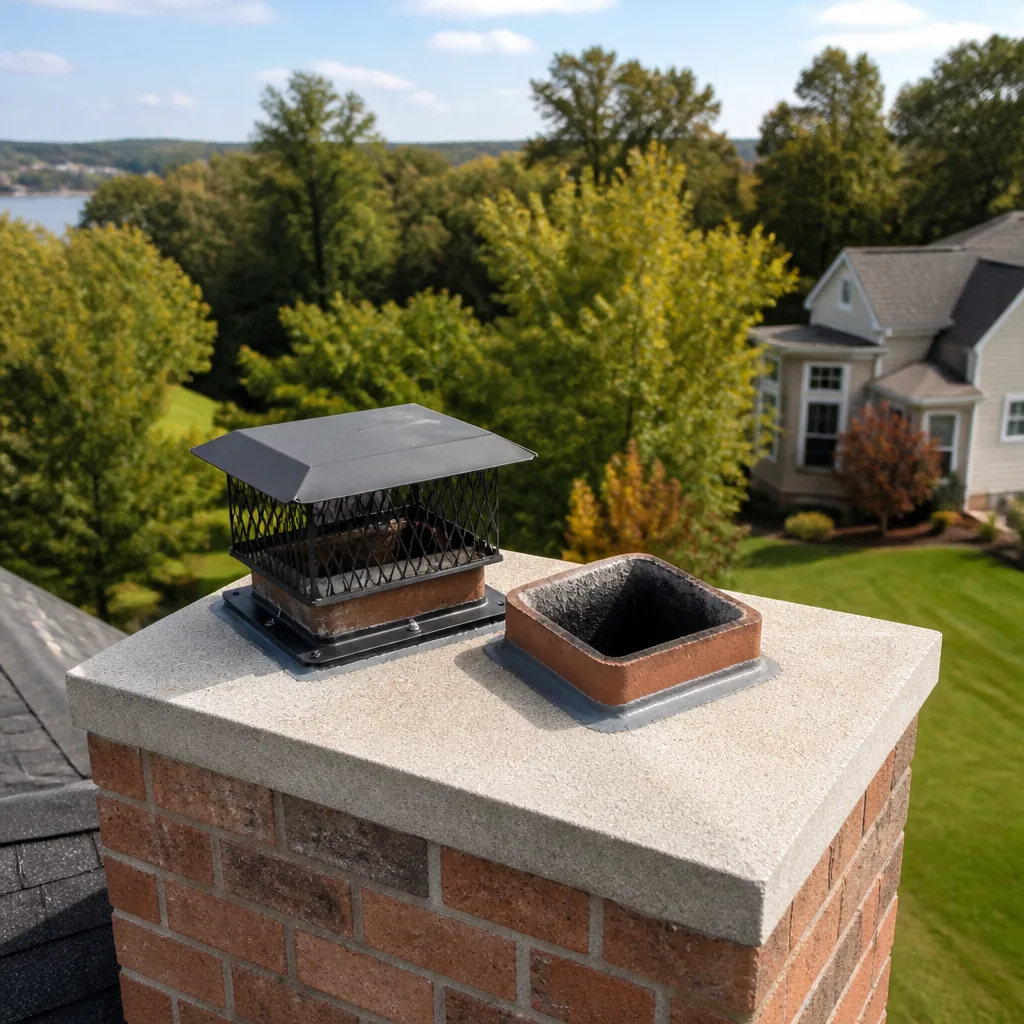 Sweep & inspection
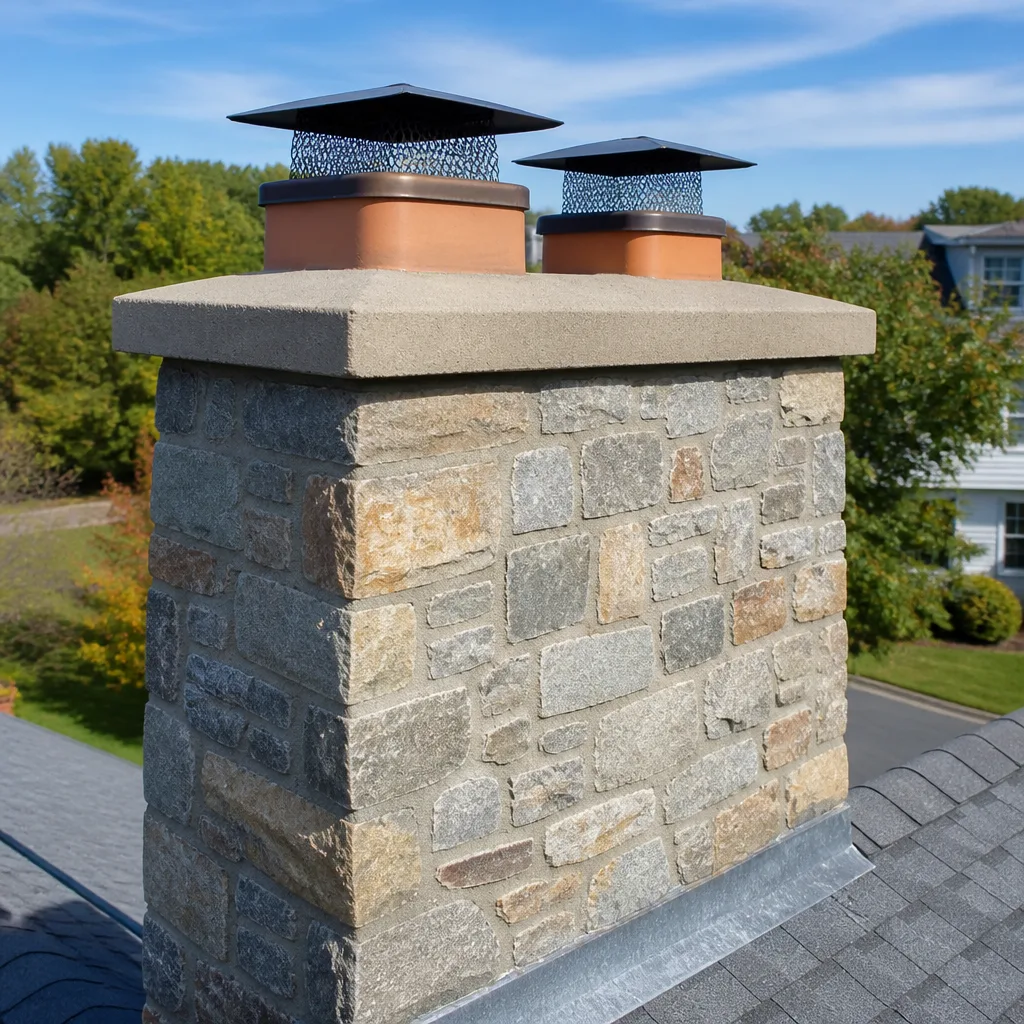 Caps & crowns
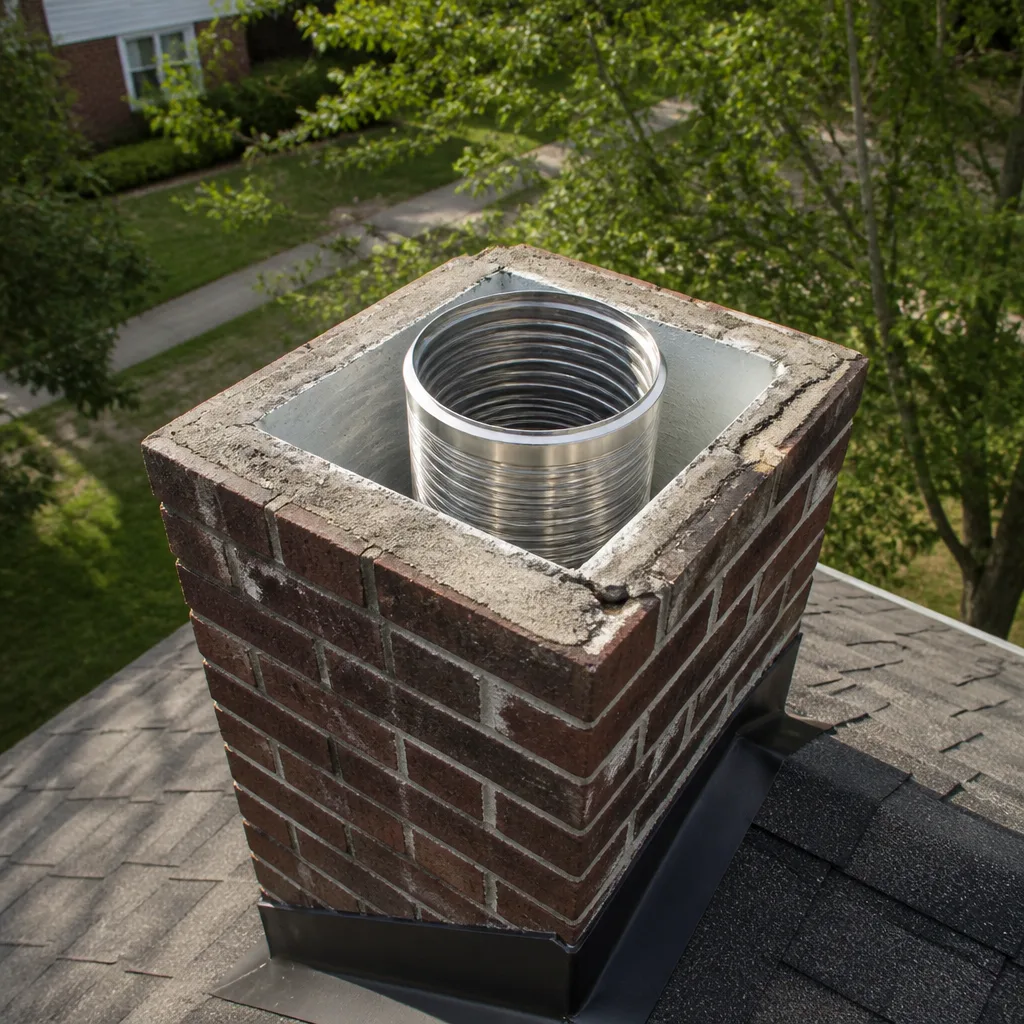 Flue relining
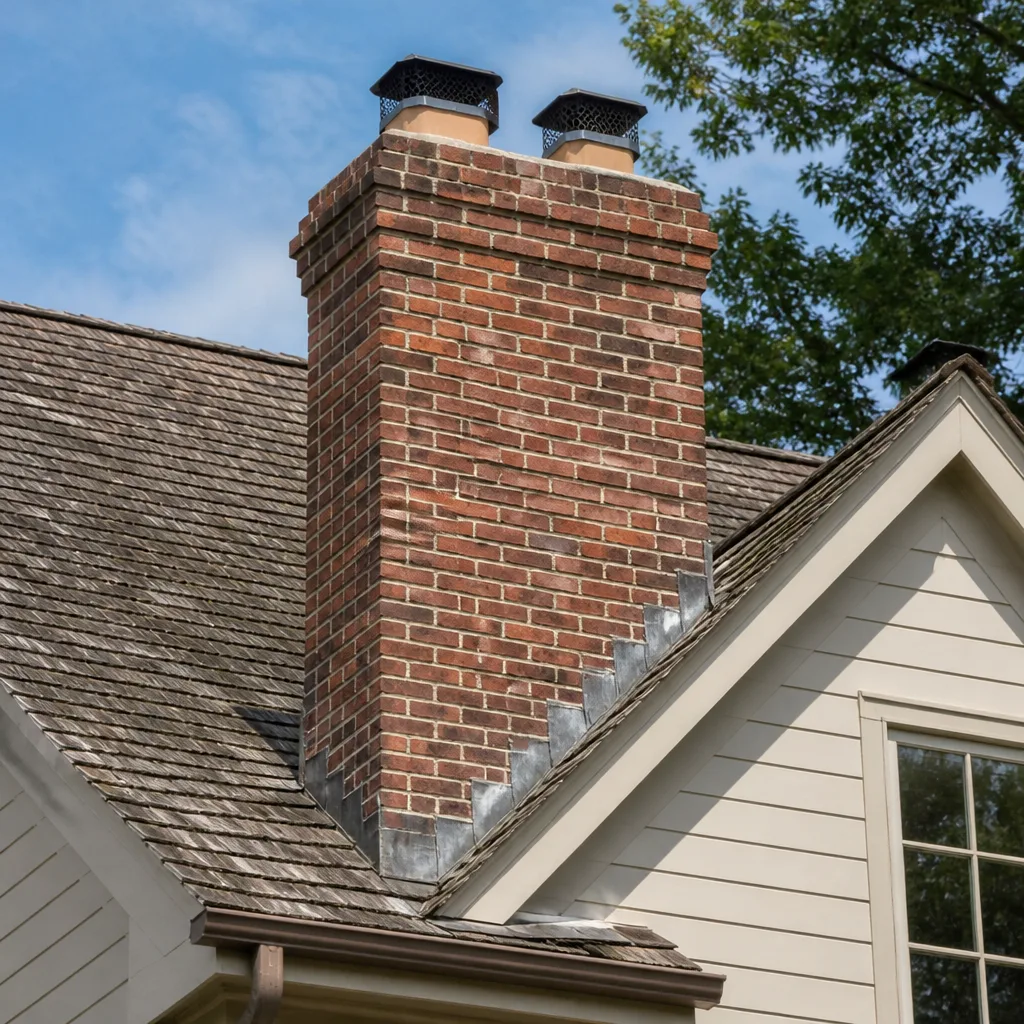 Masonry repair
 Gas fireplace service
Level 1 sweep and inspection to the NFPA 211 annual standard - flue, crown, cap, and flashing checked and photographed
Chimney sweep logs do not sweep chimneys. They loosen some creosote - which then falls where a brush and vacuum still have to collect it.
The Complete Guide to Chimney Cleaning in Bensonhurst
Most people assume a chimney cleaning is a broom down the flue and a bill at the door. That picture is wrong, and it’s the reason chimneys fail in a neighborhood full of attached rowhouses. A cleaning is actually the first stage of a diagnostic sequence that starts at the firebox and ends at the crown, and every stage produces information the next one depends on. Skip a stage and you’re guessing about the rest of the system. In this guide we map what a complete chimney service looks like in Bensonhurst – the inspection levels, the creosote stages that decide the cleaning method, what rotary tooling does that a hand brush cannot, and what a written report should tell you before you spend a dollar on repairs.
Quick Answer
A proper chimney cleaning in Bensonhurst is a sweep plus at least a Level 1 inspection, performed together, with the technician classifying the creosote, checking the liner, and documenting cap and crown condition in writing. It is not a brush-only visit. If a company cleans your flue without inspecting the venting system and giving you a report, the job is incomplete regardless of how much soot came out.
Styles & brands we work with
- Sweep & inspection
- Caps & crowns
- Flue relining
- Masonry repair
- Gas fireplace service
Table of Contents
- Why Chimney Cleaning Is a Diagnostic Sequence, Not a Chore
- The Three Inspection Levels and Which One You Need
- Creosote Stages: Why Glazed Is a Different Job Entirely
- Rotary Cleaning vs. a Standard Brush
- What Bensonhurst Rowhouse Construction Means for Your Flue
- What Your Written Report Should Document
- What Chimney Cleaning Costs in Bensonhurst
- How Often Should a Bensonhurst Chimney Be Cleaned?
Why Chimney Cleaning Is a Diagnostic Sequence, Not a Chore
Your chimney is a venting system. It has to move combustion gases out of the house at the right rate while keeping heat away from anything combustible. Everything in it works as a chain: firebox, damper, smoke chamber, flue, liner, crown, cap. A weak link anywhere degrades the whole system’s performance, and a sweep that only addresses the flue tells you nothing about the rest of the chain.
In practice, a complete service in Bensonhurst moves through five stages, in order:
- Firebox and damper check. Before anything is cleaned, the technician looks at the firebox masonry, the damper operation, and the smoke shelf. A damper that won’t open fully changes how the flue will draft and how the sweep proceeds.
- Creosote classification. The technician identifies what’s in the flue – dry soot, flaky crust, or glazed tar – because the stage of creosote dictates the cleaning method. This is not a formality.
- Mechanical cleaning. Brushes, rods, and where needed rotary tooling, sized to the flue. The flue gets measured, not estimated by eye.
- Inspection of the venting path. Liner, mortar joints, clearances, and the smoke chamber. Camera work where the flue geometry hides the surface.
- Exterior check and report. Cap, crown, and flashing at the top, followed by a written summary of findings with photos.
Run those stages in that order and you walk away knowing the condition of the system. Run only stage three, which is what a cursory sweep does, and you know that some soot came down. Those are not the same outcome. For a full picture of the cleaning stage itself, see our chimney sweep service page.
The Three Inspection Levels and Which One You Need
NFPA 211, the national standard that governs chimneys, defines three inspection levels, and they are not interchangeable. A lot of companies advertise a sweep and quietly perform a partial visual check. Knowing the difference is how you tell a real inspection from a glance.
Level 1 Inspection
A Level 1 is the standard inspection performed with the chimney in normal service, no known problem, and no change to the system. It covers readily accessible portions of the venting – the firebox, damper, visible flue, and exterior components you can reach without special tooling. It typically accompanies an annual sweep. If you’ve been burning normally and nothing has changed, this is usually the right level.
Level 2 Inspection
A Level 2 is required whenever the system has changed or a problem is suspected: a new appliance, a change in fuel type, a chimney that has had a fire, a home you’ve just purchased, or an ongoing performance issue like smoke spillage or weak draft. It adds access to concealed areas – a camera run through the flue, inspection of attics, crawl spaces, and other accessible areas around the chimney. Level 2 is also the level most chimney professionals recommend at a real estate transaction, because the buyer has no history with the system.
Level 3 Inspection
A Level 3 is diagnostic and invasive. It’s used when the first two levels point to a concealed defect that can only be examined by removing part of the chimney or building fabric. It’s the least common and the most costly, and it should always be justified by a specific finding from a lower level, not performed as a default.
Which level applies to a Bensonhurst home usually comes down to history. If you’ve owned the house and burned in it, a Level 1 combined with a sweep is a sensible annual routine. If you bought recently, switched to a different fuel, or had a chimney fire, ask for a Level 2 by name. Not every sweep company offers all three levels. Ask before you book. To understand what the inspection covers in detail, see our inspection guide.
Creosote Stages: Why Glazed Is a Different Job Entirely
Creosote is the residue left behind when wood smoke cools against the flue walls. It builds in recognizable stages, and the stage determines what the cleaning actually requires. This is the point where most cursory sweeps fall short.
- First-degree creosote is dry soot and light flaky deposits. It brushes out relatively easily with standard tooling. Most annual maintenance lives here.
- Second-degree creosote is a crusty, flaky layer that has begun to adhere to the flue. It comes off with more aggressive brushing and sometimes with specialized scrapers or rotary tooling.
- Third-degree creosote is glazed, tar-like, and baked onto the flue surface. It is dense, glossy, and highly combustible. A standard brush will not remove it, and in fact can polish it into a harder glaze. This is where rotary chains, chemical treatment, or in severe cases relining come in.
Why does the stage matter so much? Because glazed third-degree creosote is the fuel that lets a chimney fire burn hot enough to crack a clay liner. In a detached house a cracked liner is a repair. In the attached rowhouse stock of Bensonhurst, a compromised flue next to a neighbor’s wall is a different level of concern. That’s why classification isn’t optional: it tells you whether the flue needs a cleaning, a treatment, or a reline.
Chemical treatment is a real option when glazed deposits cover a large area. The right compound is applied and left to react with the glaze, which softens it so mechanical cleaning can lift it off the flue wall. It is a multi-step process, not a spray-and-go.
Rotary Cleaning vs. a Standard Brush
A standard hand brush on rods is the right tool for a lot of flues, but it has limits that matter in older Bensonhurst homes. A brush follows the flue and scrubs what it contacts. It cannot reach creosote that has accumulated at the base of a flue with a tight offset, and it struggles with glazed deposits regardless of how often it’s passed up and down.
A rotary cleaning system uses a motorized spinning head – whip, chain, or brush – attached to flexible rods. The head spins against the flue wall with more force and better coverage than a hand brush, and it can be fitted with different attachments for different deposit types.
Rotary is typically necessary in three situations:
- Glazed or stage-three creosote. The mechanical force of a spinning chain lifts material a brush polishes.
- Tight offsets and transitions. Many Brooklyn rowhouse chimneys bend as they follow the original footprint of the building. The offset hides the flue wall, and a rigid brush can miss it. Rotary tooling with flexible rods works around the bend.
- Flues where a camera reveals heavy deposits deeper in. A brush cleans what it reaches; rotary gives you a way to act on what the camera found.
The same tools occasionally reveal a condition a brush alone would leave in place. If the liner is failing, we may recommend flue resurfacing with a HeatShield ceramic system rather than a full reline. Sometimes the answer is a DuraFlex flexible liner installed by a specialist, which is a service most basic sweep companies don’t offer. The point isn’t to sell the upscale option. It’s that the diagnosis should drive the repair, not the tools the company happens to own.
What Bensonhurst Rowhouse Construction Means for Your Flue
Bensonhurst is not a subdivision of detached houses with generous setbacks. Much of its housing stock is attached or semi-attached rowhouse and low-rise residential construction, with chimneys that share structural elements and sometimes share flue walls with a neighbor. That changes the inspection scope in ways a general sweep often overlooks.
The most important distinction: when a flue wall is shared, damage on one side is a concern on the other. A camera inspection that only looks at your own flue gives you half the picture. A careful technician working in this construction will check the joint integrity, note any separation or joint degradation visible on your side, and tell you plainly if there’s a reason to be concerned about the shared wall.
There’s a moisture piece here too. This part of Brooklyn gets sustained humidity through the summer and freezing temperatures in winter. Masonry that stays wet through a freeze-thaw cycle spalls and cracks, and mortar joints that are already degrading do worse. The crown is the component that sheds water off the top of the chimney; if the crown is cracked, you’re feeding moisture into the chimney from above, and the flue wall is the first thing to suffer. That’s a Bensonhurst-relevant sequence: a failing crown leads to wet masonry, which leads to spalling, which eventually threatens the flue.
In a detached house, that’s a repair you schedule when it becomes obvious. In attached construction, it’s worth catching earlier because the consequences reach beyond one property line. This guide doesn’t claim code requirements specific to a given building – for permit questions, your city’s buildings department is the authority. The installation work we do, from a Ferguson-sourced cap or crown down to Olympia Chimney and DuraFlex liner components, is chosen around the configuration of the chimney in front of us rather than a one-size-fits-all assumption.
What Your Written Report Should Document
A chimney service without a written report leaves you taking the findings on faith. That’s a problem, because the entire point of a proper inspection is to give you information you can act on and verify. The report that comes out of a Bensonhurst service should contain specific items:
- Liner condition. Whether it’s sound, spalling, cracked, or glazed, and how much of the flue was actually observed versus visually estimated.
- Flue measurements. The interior dimension of the flue, measured rather than eyeballed. Sizing decisions (draft, liner fit) depend on this number.
- Clearances and joint integrity. Any observable separation, spalling, or joint degradation, particularly on shared walls.
- Mortar joint condition. Cracks and missing mortar at joints that would let hot gases or moisture reach combustible material.
- Cap and crown status. Whether the cap is intact and properly attached, and whether the crown is shedding water or has cracks.
- Creosote classification. The stage found in the flue, with photos.
- Photos of the flue. A camera run with images you can see for yourself. This is how you confirm the recommendation is grounded in something real.
If a company tells you that you need a reline or masonry work, ask to see the photos. A recommendation supported by camera evidence is one you can evaluate. A recommendation without it is one to get a second opinion on. The full scope of repair work – from relining to cap and crown replacement – is on our chimney repair page. For cap and crown specifically, our chimney cap and crown page explains what each component does.
What Chimney Cleaning Costs in Bensonhurst
Chimney cleaning in Bensonhurst is priced per job, set by a written estimate after the technician has seen the condition of the chimney. The variables that move the price are the ones a proper inspection reveals: how much creosote is in the flue and at what stage, how hard the flue is to access, whether rotary tooling is needed, and whether the work expands into an inspection level or repair. A quote taken over the phone without looking is an estimate on the flue you probably have, not the flue you actually have.
What you can expect: the estimate should be free, itemized, and given in writing before any work begins. If a company quotes a price without seeing the flue, ask what the final price will be after they’ve measured it. The written estimate sets the final price, not a phone call.
It also matters, when a technician finds something, that you get a clear explanation of the scope of work. If a flue needs a rotary clean rather than a hand brush, that gets priced differently. If a liner check reveals a worn surface that a HeatShield resurfacing can save, the option is a repair that costs less than a full reline. The point is not to sell the most expensive option but to price the job the flue needs. The written estimate within the service also covers whether the work will wait a season or needs to be scheduled sooner. Call (855) 924-3713 for an exact quote – estimates are free.
How Often Should a Bensonhurst Chimney Be Cleaned?
The schedule for a chimney depends on how it’s used, not on a calendar. A chimney that gets burned in regularly should be inspected annually and cleaned when the creosote builds to the point that it needs it – which might be every year, or every couple of years. A chimney you rarely use still needs an annual look, because inactivity doesn’t protect a cap, crown, or flue from moisture and animals. The one thing a chimney should never do is sit for years with no inspection at all.
The signals to call sooner than an annual check:
- Smoke backing into the room when you light a fire, or a fire that’s hard to start because the draft is weak.
- A strong, sharp, tar-like smell from the firebox, particularly in warm weather when the chimney smells worse.
- Visible soot or black staining around the firebox or on the chimney face.
- Any sound or sudden rush of heat during a fire, or damage noticed after one – a chimney fire can be subtle.
- New construction, a newly purchased home, or a change to the fireplace setup. That’s a Level 2 inspection, not just a clean.
- A masonry cap that’s loose, missing, or has a cracked crown showing water.
For a Bensonhurst rowhouse, it’s worth pairing the schedule with a look at the chimney from the roofline. Moisture issues get worse over winter when water in masonry freezes. If you can catch a cracked crown or spalling cap in the fall, you’re catching it before it feeds into the flue wall through freeze-thaw.
Common Mistakes to Avoid
- Accepting a brush-only visit as a “cleaning.” If nobody measured the flue, classified the creosote, or gave you a written report, the system wasn’t assessed. Two minutes of brushing isn’t the service you need, even if the technician is pleasant about it.
- Skipping the inspection because the flue looks clean. A flue can be full of creosote and look perfectly fine from the firebox. The camera and the classification are what tell the real story – cosmetics at the opening tell you nothing.
- Treating glazed creosote as ordinary soot. A standard brush can glaze a third-degree deposit into a harder shell, and that’s the fuel for a chimney fire. Ask about the creosote stage and how it will be removed, not just that it will be.
- Assuming a cracked liner is a someday problem. In attached Bensonhurst construction, a failed flue next to a shared wall is a hazard to more than one property. A liner check should be part of the annual routine.
- Believing a phone quote means anything. The condition of the flue, its access, and the creosote stage all decide the price. A written estimate after the technician has seen the flue is the only number that matters.
- Letting a crown crack go another season. Water enters masonry through a failed crown, and freeze-thaw does the rest. This is one of the cheaper repairs to handle early and one of the more expensive to defer.
- Getting a repair recommendation without asking for the camera evidence. You’re entitled to see the photos of what the technician is describing. If a company hesitates to show you, get a second opinion before committing to thousands of dollars of work.
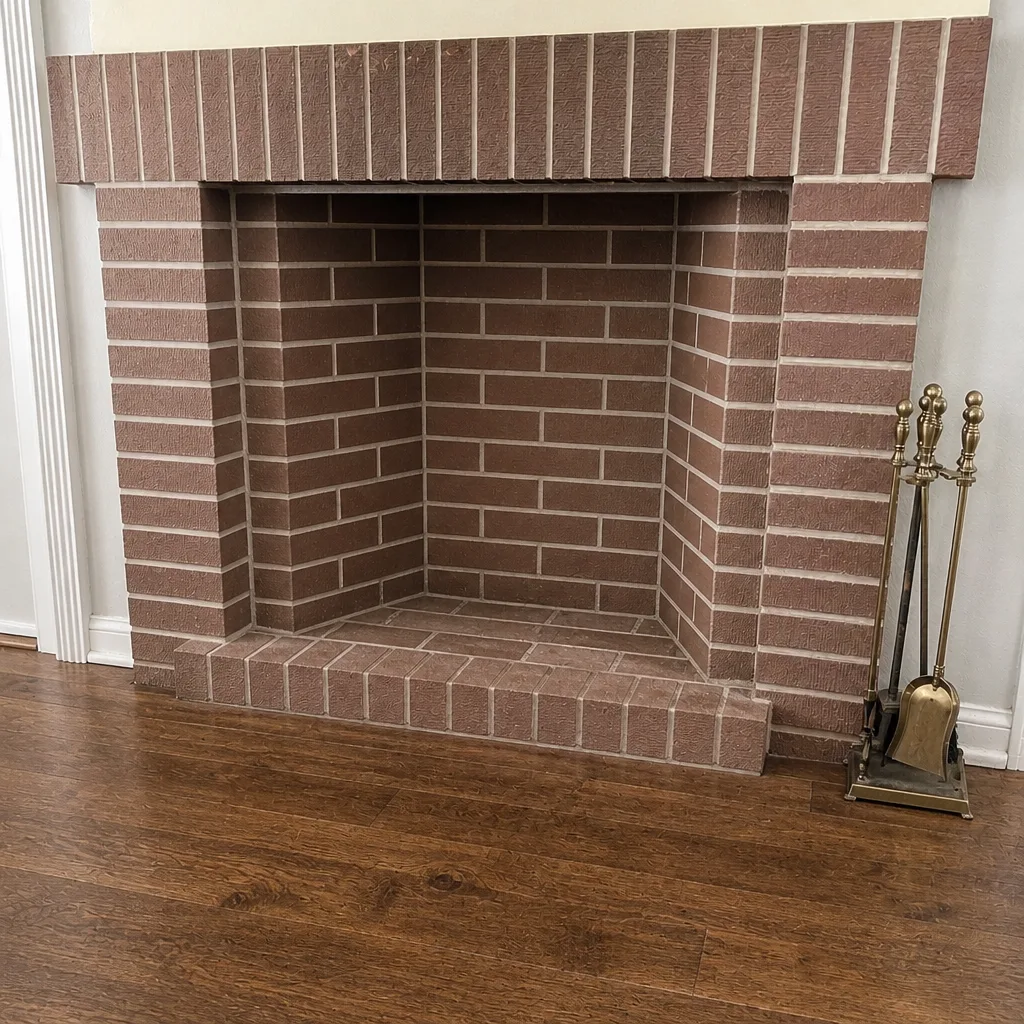
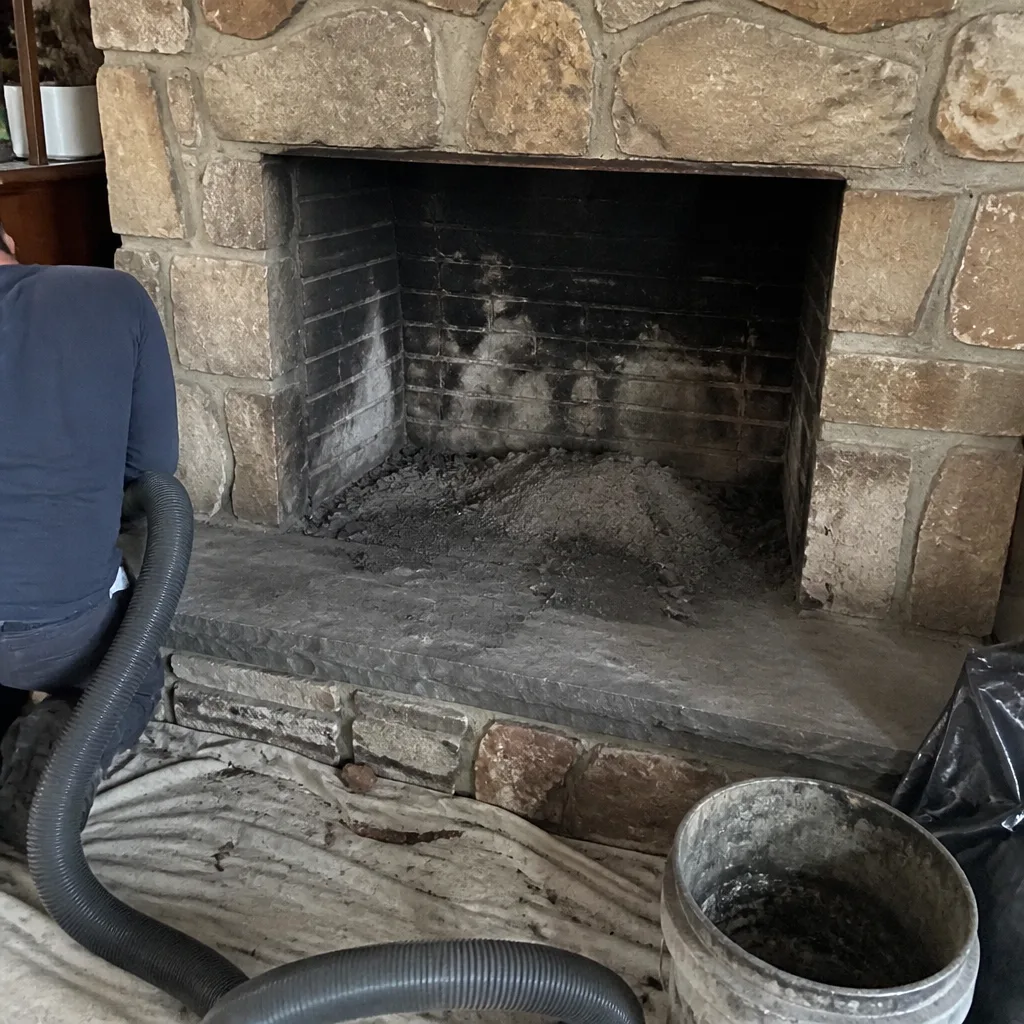
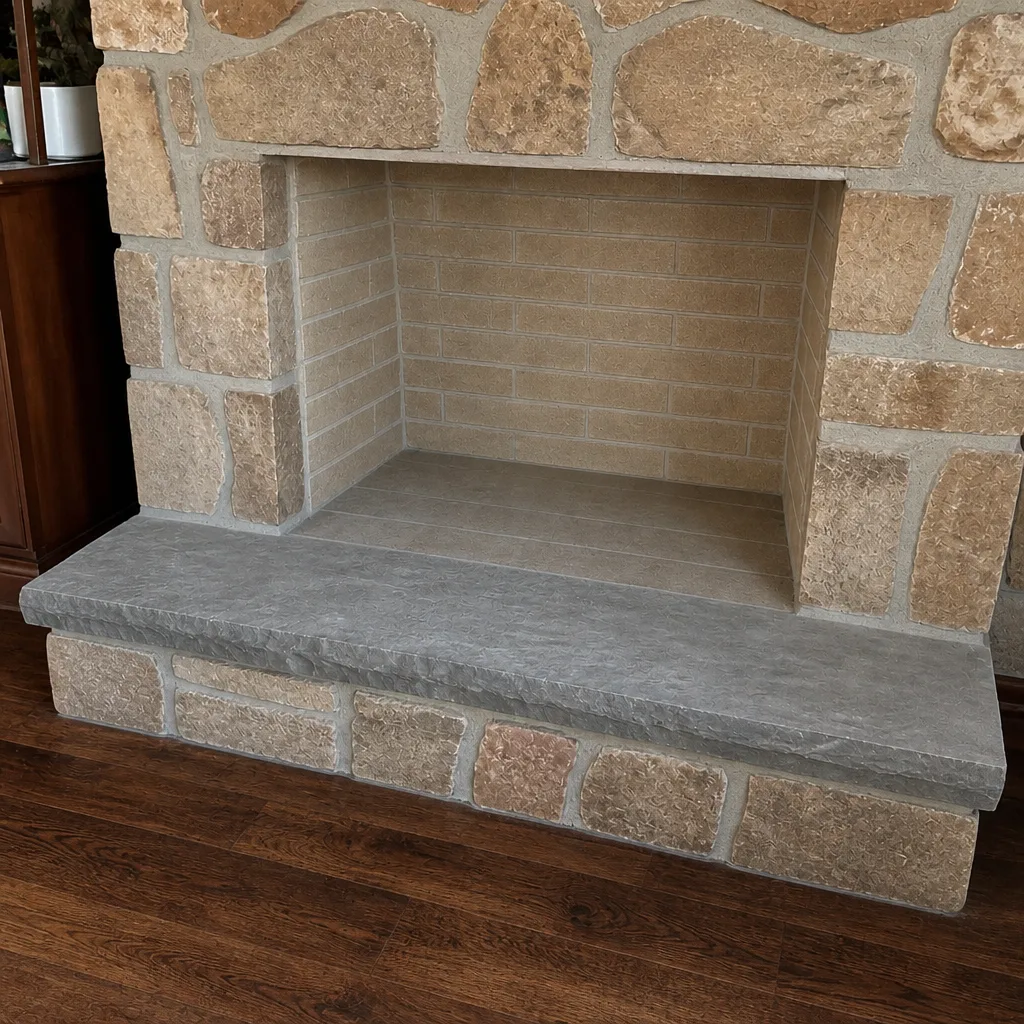
See the difference
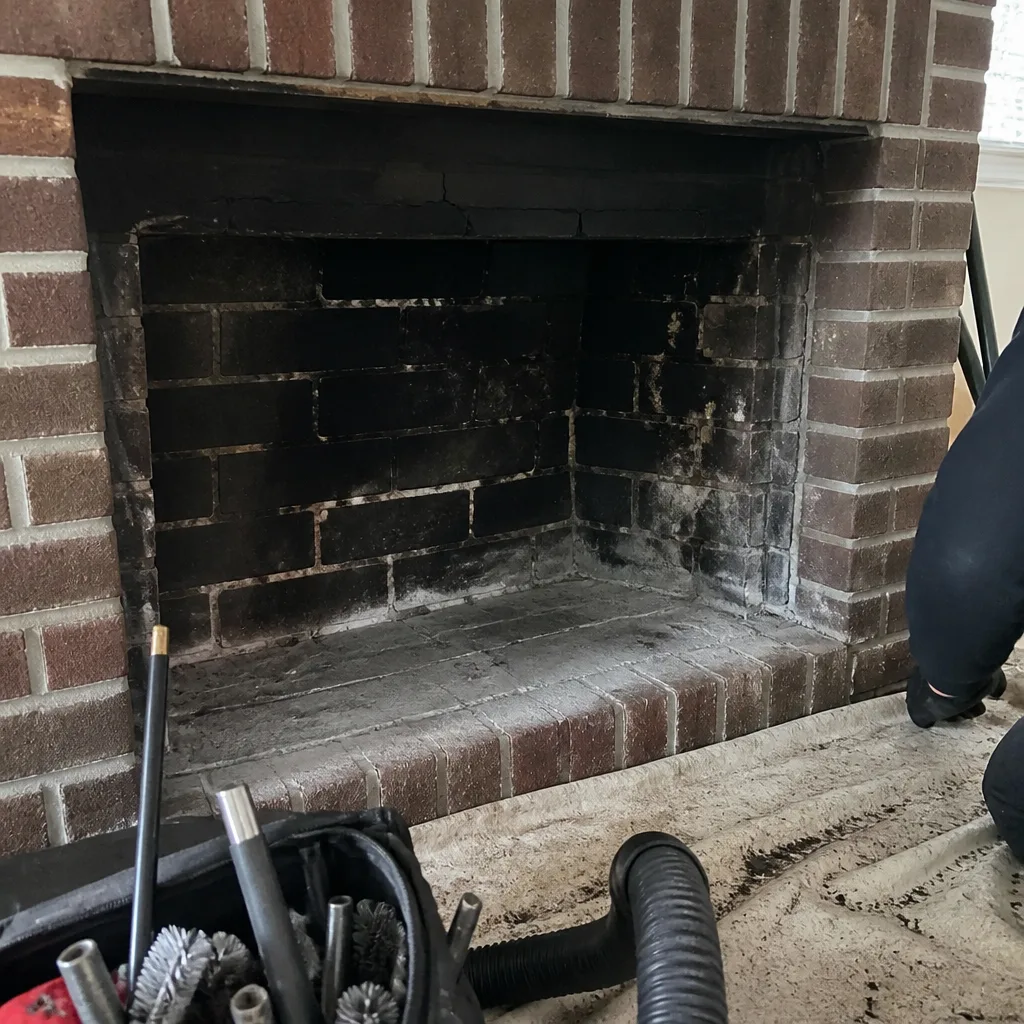 Before
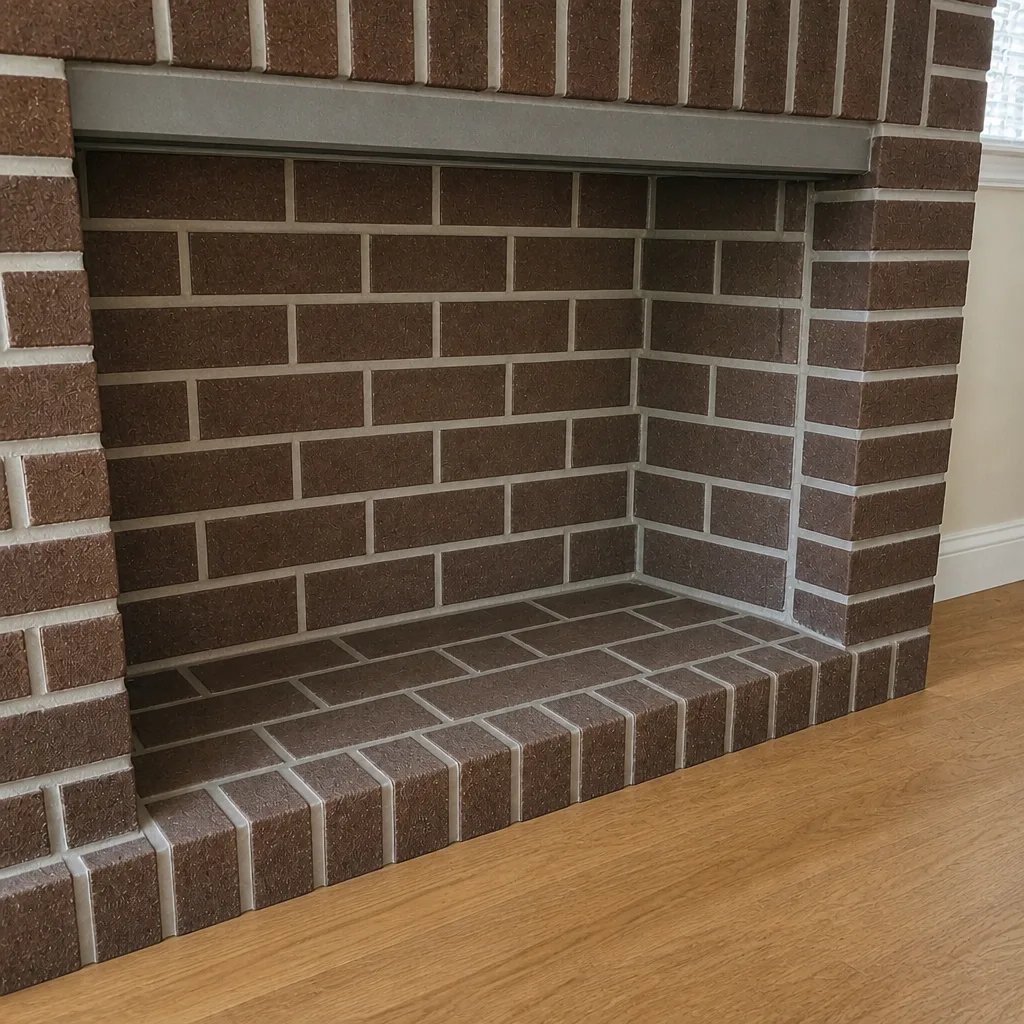 After
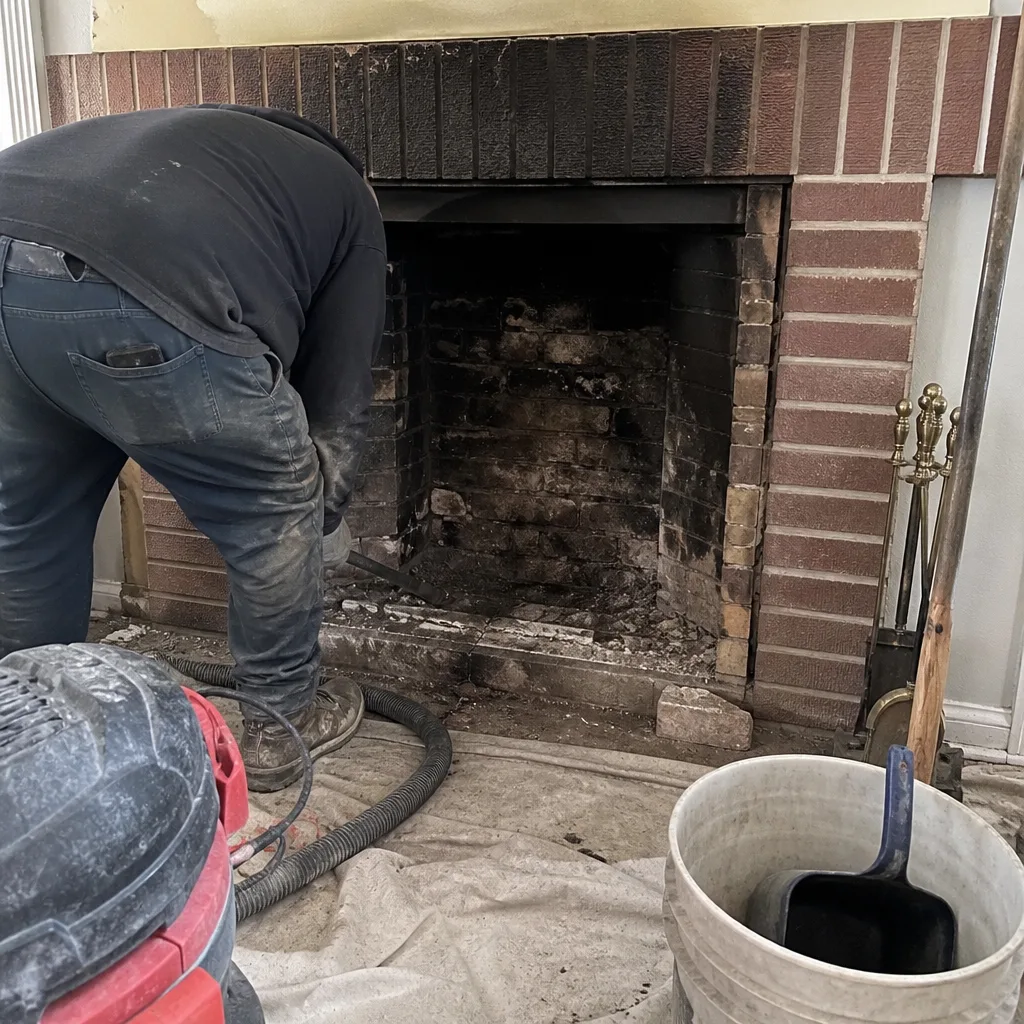 Before
 After
 Before
 After
When to Call a Professional
There are situations where you should not wait for the annual window. A fire that smokes back into the room, a strong smell from the firebox, a suspected chimney fire, visible spalling or crumbling masonry on the chimney face, or a damaged cap that you can see from the ground all justify a call now. So does a chimney that hasn’t been inspected in years, particularly in a home you just bought. Chimney and fireplace work involves real heat and real exhaust – gas and combustion gases and the structural condition of a flue are not things to resolve by guesswork. A trained professional with a camera and a written report is what tells the difference between a clean chimney and a system that’s failing quietly. Chimney Sweep Bensonhurst offers free estimates in Bensonhurst and can look at the full system from firebox to crown. Call (855) 924-3713. We answer 24/7. Fast dispatch from 7am to 7pm, Sunday through Friday.
Frequently Asked Questions
Chimney cleaning in Bensonhurst is priced per job by a written estimate after the technician inspects the flue, because the creosote stage, access, and tooling required all affect the price. The estimate itself is free, and you should get it itemized and in writing before any work begins. Call (855) 924-3713 for an exact quote – estimates are free.
Annual inspection is the baseline, with sweeping performed when creosote buildup warrants it – which may be every year for a heavily used chimney or less often for an occasional one. A chimney that’s rarely used still needs an annual look because the cap, crown, and flue are exposed to moisture year-round, and freezes only make that worse. Call (855) 924-3713 to schedule an inspection – estimates are free.
A Level 1 is the routine visual inspection performed with the chimney in normal service and no known problem, and it typically accompanies an annual sweep. A Level 2 adds camera inspection of concealed areas and is required after a change to the system, a home purchase, a suspected problem, or a chimney fire. Not every sweep company performs all three levels, so ask before you book. Call (855) 924-3713 – estimates are free.
Only if the inspection shows the existing liner is failing – cracked, spalling, or separated – and no repair method will restore it. A ceramic flue-resurfacing system such as HeatShield can extend liner life without a full reline in the right conditions, and a flexible liner such as DuraFlex is the option when the liner is beyond resurfacing. The recommendation should be backed by camera photos you can see. Call (855) 924-3713 for an assessment – estimates are free.
Creosote accumulates in every stage of use, and the deeper it builds the more heat it can generate during a chimney fire – hot enough to crack a liner. A cracked liner, or a flue with degraded joints and clearances, can allow combustion gases and heat into the structure. On top of that, moisture enters through a failing crown or cap and degrades the masonry. Call (855) 924-3713 to schedule an inspection and get a clear picture before small problems get expensive – estimates are free.
Yes – a cap or crown issue is diagnosed in the same inspection and can be scheduled as part of the same service. Cracked crowns and loose or damaged caps are among the more common findings in Bensonhurst, and they’re the entry point for water into the masonry. The precise scope depends on what the technician finds on the roof. Call (855) 924-3713 for a free estimate.
The Bottom Line
Chimney cleaning in Bensonhurst is not a brush visit. A complete service moves from the firebox through the flue, caps the diagnosis with a camera inspection, and ends with a written report you can evaluate. The inspection level should match your situation. The creosote stage should decide the cleaning method, and if it’s glazed, the method should be rotary or chemical rather than a hand brush on its own. The report should document the liner, the shared walls, the mortar joints, and the cap and crown, because the chimney is one system and the weakest point sets its safety. We work with professional-grade components from brands like Olympia Chimney, DuraFlex, Famco, and Copperfield because the right fit on the right flue is what lasts. Our technicians have up to 12 years of experience, and we handle everything from the annual sweep to full repair. Call (855) 924-3713 for a free estimate and a straight answer about what your chimney actually needs.
Written by the team at Chimney Sweep Bensonhurst.